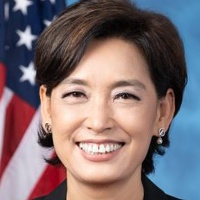
Legislative Activity
Track Young's sponsored bills, co-sponsored legislation, and voting record
Protects water and wastewater treatment facilities from CERCLA liability for PFAS releases if they comply with applicable laws and are not grossly negligent.
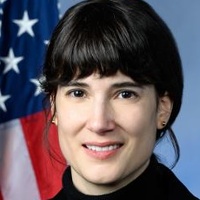
Marie Gluesenkamp Perez
Representative
WA
Marie Gluesenkamp Perez
Representative
WA
The "Water Systems PFAS Liability Protection Act" shields water and wastewater treatment facilities from CERCLA liability for PFAS releases if they comply with applicable laws and handle PFAS during or after water treatment. This protection covers specific non-polymeric PFAS and applies to public water systems, treatment works, and related entities. The exemption does not apply in cases of gross negligence or willful misconduct.
The Rural Obstetrics Readiness Act aims to improve maternal health care in rural areas by establishing training programs, providing grant funding for equipment and supplies, creating a teleconsultation pilot program, and studying obstetric units in rural areas.
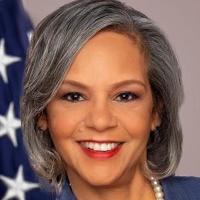
Robin Kelly
Representative
IL
Robin Kelly
Representative
IL
The Rural Obstetrics Readiness Act aims to improve maternal health outcomes in rural areas by establishing programs to train healthcare providers in obstetric emergency care, provide funding for necessary equipment and workforce development, implement teleconsultation programs, and study the challenges facing rural obstetric units. The Act authorizes grants for training, equipment, and telehealth programs, and requires a study on rural maternity ward closures and patient transport patterns.
The Credit Union Board Modernization Act updates federal requirements to allow credit unions to determine board meeting frequency based on their age and financial performance ratings.
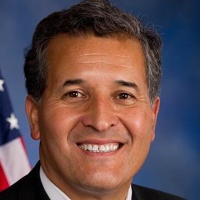
Juan Vargas
Representative
CA
Juan Vargas
Representative
CA
The Credit Union Board Modernization Act updates federal requirements for board of directors meetings, moving away from a mandatory monthly schedule. Under this bill, meeting frequency will be determined by a credit union’s age and its financial performance ratings, allowing high-performing institutions greater operational flexibility while maintaining oversight for newer or lower-rated credit unions.
This bill prohibits unauthorized workers' wages and self-employment income from being used to calculate Social Security benefits.
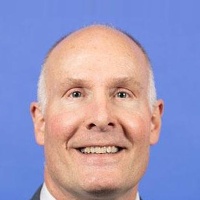
John Moolenaar
Representative
MI
John Moolenaar
Representative
MI
The "No Social Security for Illegal Aliens Act of 2025" amends the Social Security Act to exclude wages and self-employment income earned by unauthorized aliens in the U.S. from being used to calculate Social Security benefits. This change applies to income earned both before, on, and after the law's enactment, with benefit adjustments taking effect after enactment. The Social Security Administration will recalculate insurance amounts to reflect these changes.
The "Freedom to Invest in Tomorrow's Workforce Act" expands the use of 529 savings accounts to cover expenses related to postsecondary credentialing programs, including tuition, fees, books, supplies, equipment, and testing fees.
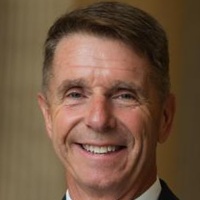
Robert Wittman
Representative
VA
Robert Wittman
Representative
VA
The "Freedom to Invest in Tomorrow's Workforce Act" amends Section 529 savings accounts to include expenses related to postsecondary credentialing programs. This allows 529 funds to cover costs like tuition, fees, books, supplies, and testing fees for recognized programs and credentials, as defined by the bill. These changes would apply to distributions made after the bill is enacted.
The Protect Our Letter Carriers Act of 2025 authorizes $7 billion to upgrade postal security infrastructure while mandating dedicated federal prosecutors for postal crimes and increasing sentencing guidelines for assaults against postal employees.
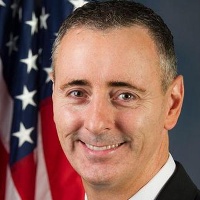
Brian Fitzpatrick
Representative
PA
Brian Fitzpatrick
Representative
PA
The Protect Our Letter Carriers Act of 2025 aims to enhance the safety of postal workers by funding high-security infrastructure upgrades, including electronic mailbox keys. The bill also mandates the appointment of dedicated federal prosecutors for postal crimes in every judicial district and requires stricter sentencing guidelines for those who assault or rob postal employees.
The CARGO Act of 2025 prohibits the NIH from funding any research using live animals outside of the United States.
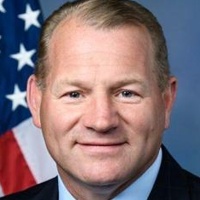
Troy Nehls
Representative
TX
Troy Nehls
Representative
TX
The CARGO Act of 2025 prohibits the National Institutes of Health (NIH) from funding research or programs involving live animals outside of the United States. This bill addresses concerns over the lack of oversight and potential mistreatment of animals in foreign research projects funded by American taxpayers. The Act ensures that NIH funding for animal research is restricted to projects conducted within the U.S. and its territories.
This resolution condemns the wrongful detention and mistreatment of Dr. Gubad Ibadoghlu by the Azerbaijani government and calls for his immediate and unconditional release.
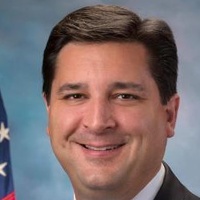
David Rouzer
Representative
NC
David Rouzer
Representative
NC
This resolution condemns the Government of Azerbaijan for the wrongful detention, abuse, and suppression of academic freedom regarding Dr. Gubad Ibadoghlu. It demands his immediate and unconditional release, the provision of necessary medical care, and an end to the harassment of his family. Furthermore, it urges the U.S. Secretary of State to prioritize Dr. Ibadoghlu’s well-being and release in all diplomatic engagements.
The Disaster Resiliency and Coverage Act of 2025 aims to increase disaster preparedness and insurance coverage by providing grants for home mitigation, tax exclusions for disaster relief payments, and a tax credit for disaster mitigation expenditures.
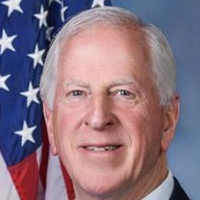
Mike Thompson
Representative
CA
Mike Thompson
Representative
CA
The Disaster Resiliency and Coverage Act of 2025 aims to increase household disaster resilience through a grant program for pre-disaster mitigation activities, tax exclusions for state-based catastrophe loss mitigation payments and certain emergency agricultural assistance, and a tax credit for disaster mitigation expenditures. The grant program will provide funds to states and tribal governments for mitigation activities on individual homes in high-risk disaster areas, while the tax exclusions and credit offer financial relief and incentives for individuals and agricultural producers affected by disasters. This act seeks to encourage proactive measures to protect homes and businesses from the impact of future disasters.
The Marc Fischer Memorial Act mandates the implementation of a comprehensive digital mail scanning strategy across all federal prisons to detect and interdict synthetic drugs like fentanyl.
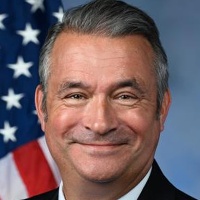
Don Bacon
Representative
NE
Don Bacon
Representative
NE
The Marc Fischer Memorial Act mandates that the Bureau of Prisons implement a comprehensive strategy to achieve 100% digital scanning of all inmate mail to interdict fentanyl and other synthetic drugs. By transitioning to digital mail processing, the Act aims to protect staff and inmates from lethal exposure, improve institutional security, and alleviate the administrative burden on correctional personnel.
Establishes a commission to study the feasibility of creating a National Museum of Italian American History and Culture in Washington, D.C., funded through private contributions.
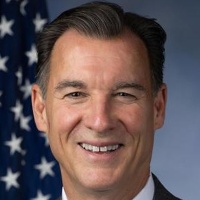
Thomas Suozzi
Representative
NY
Thomas Suozzi
Representative
NY
This bill establishes a commission to study the feasibility of creating a National Museum of Italian American History and Culture in Washington, D.C. The commission will develop recommendations for a plan of action, including a fundraising plan to support the museum's establishment, operation, and maintenance without federal funds. The commission will submit reports to the President and Congress, and will conclude 30 days after submitting its final reports. No federal funds will be used for the commission's work.
The bill prioritizes the removal of nuclear waste from decommissioned reactors in populated areas with high earthquake risk and national security concerns.
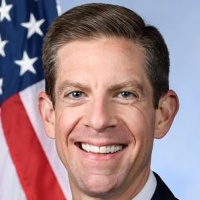
Mike Levin
Representative
CA
Mike Levin
Representative
CA
The "Spent Fuel Prioritization Act of 2025" amends the Nuclear Waste Policy Act of 1982, changing how the Energy Secretary prioritizes accepting high-level radioactive waste and spent nuclear fuel. Priority is given to waste from decommissioned reactors, reactors in densely populated areas, areas with high earthquake risk, and areas with national security risks due to continued on-site storage. This aims to address the most urgent risks associated with storing nuclear waste.
This bill directs the Department of Education to consider the International Holocaust Remembrance Alliance's definition of antisemitism when evaluating discrimination complaints under Title VI of the Civil Rights Act of 1964, while also protecting First Amendment rights.
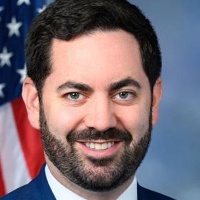
Michael Lawler
Representative
NY
Michael Lawler
Representative
NY
The Antisemitism Awareness Act of 2025 requires the Department of Education to consider the International Holocaust Remembrance Alliance's definition of antisemitism when evaluating discrimination complaints under Title VI of the Civil Rights Act of 1964, concerning race, color, and national origin. This aims to address rising antisemitism in educational settings. The Act clarifies that it does not expand the Department of Education's authority, change existing discrimination standards, reduce existing rights, or infringe upon First Amendment rights.
This resolution prohibits the distribution of Chinese Communist Party-controlled publications within all U.S. House of Representatives facilities.
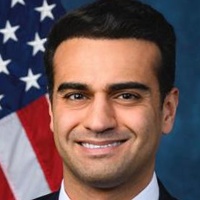
Abraham Hamadeh
Representative
AZ
Abraham Hamadeh
Representative
AZ
This resolution directs the Chief Administrative Officer of the House to immediately cease the distribution of *China Daily* and other Chinese Communist Party-controlled publications within all House facilities and mail systems. By prohibiting these materials, the bill aims to protect the institution from foreign propaganda and influence operations. The policy does not restrict private receipt of these materials by Members or staff, nor does it affect access through research facilities or the Library of Congress.
This bill prohibits the export or sale of petroleum from the Strategic Petroleum Reserve to China, Russia, Iran, North Korea, or any entities controlled by those nations.
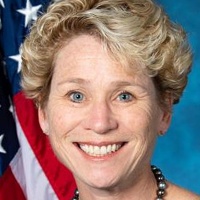
Chrissy Houlahan
Representative
PA
Chrissy Houlahan
Representative
PA
The Banning SPR Oil Exports to Foreign Adversaries Act prohibits the sale or export of petroleum from the U.S. Strategic Petroleum Reserve to China, Russia, Iran, North Korea, or entities controlled by these nations. This legislation aims to protect national security by ensuring that emergency oil reserves are not diverted to foreign adversaries. The Secretary of Energy may only waive this prohibition if it is certified to be in the national security interest of the United States.
The Educational Choice for Children Act of 2025 establishes federal tax credits for contributions to scholarship-granting organizations, providing lower- and middle-income families with financial support for K–12 educational expenses.
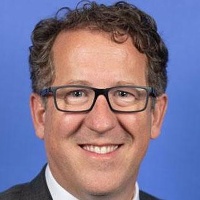
Adrian Smith
Representative
NE
Adrian Smith
Representative
NE
The Educational Choice for Children Act of 2025 establishes federal tax credits for individuals and corporations that contribute to scholarship-granting organizations. These organizations provide K–12 education scholarships to students from lower- and middle-income households to cover tuition, tutoring, and other qualified educational expenses. The bill also protects the autonomy of participating schools and scholarship organizations from government interference while ensuring that scholarship funds remain tax-free for recipient families.
This bill recognizes the significant contributions of tax-exempt fraternal benefit societies to communities across the United States through charitable activities, volunteer work, and financial support for their members, and expresses Congressional support for their continued promotion.
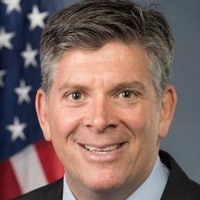
Darin LaHood
Representative
IL
Darin LaHood
Representative
IL
This bill recognizes the significant historical and ongoing contributions of tax-exempt fraternal benefit societies to communities across the United States through charitable activities, volunteer work, and financial support for members. It expresses the sense of Congress that these societies are a valuable support system that addresses unmet needs and generates substantial returns to the U.S. through their tax-exempt status. The bill also advocates for the continued promotion of fraternal benefit societies.
The FIRE Act of 2025 establishes a NOAA-led program to enhance wildfire forecasting, detection, and warning systems through advanced technology and collaborative research testbeds.
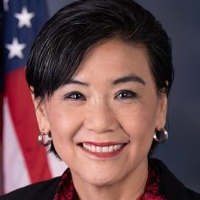
Judy Chu
Representative
CA
Judy Chu
Representative
CA
The FIRE Act of 2025 establishes a dedicated program within NOAA to enhance wildfire forecasting, detection, and risk communication. By leveraging advanced satellite technology, atmospheric modeling, and new research testbeds, the legislation aims to improve early response efforts and reduce the loss of life and property caused by wildfires.
Recognizes the cultural and historical significance of Lunar New Year, celebrates Asian Americans and all who observe it, and wishes them a happy and prosperous new year.
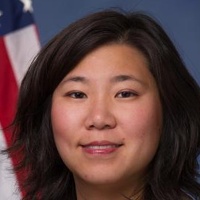
Grace Meng
Representative
NY
Grace Meng
Representative
NY
This bill recognizes the cultural and historical significance of Lunar New Year. It acknowledges the importance of Lunar New Year for Asian Americans and others in the U.S., and expresses respect for those who celebrate it worldwide. The bill wishes all celebrants a happy and prosperous new year.
This bill authorizes the posthumous award of the Congressional Gold Medal to Colonel Young Oak Kim in recognition of his extraordinary military heroism, leadership, and humanitarian contributions.
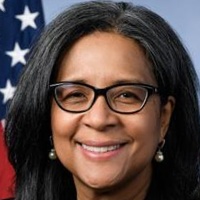
Marilyn Strickland
Representative
WA
Marilyn Strickland
Representative
WA
The Colonel Young Oak Kim Congressional Gold Medal Act authorizes the posthumous award of the Congressional Gold Medal to Colonel Young Oak Kim in recognition of his extraordinary military heroism and lifelong commitment to humanitarian service. A decorated veteran of World War II and the Korean War, Kim is honored for his trailblazing leadership and his profound contributions to the Los Angeles community. This legislation ensures his legacy is preserved through the creation and display of this prestigious national award.