Legislative Activity
Track Mark's sponsored bills, co-sponsored legislation, and voting record
This bill grants Congress expedited authority to terminate military deployments for domestic law enforcement under existing exceptions and appropriates significant funding for state and local law enforcement initiatives.

Elissa Slotkin
Senator
MI
Elissa Slotkin
Senator
MI
The No Troops in Our Streets Act of 2025 grants Congress expedited authority to terminate exceptions that allow the military to be used for domestic law enforcement under the Posse Comitatus Act. It establishes specific, fast-tracked procedures for Congress to pass a "joint resolution of disapproval" to end such deployments. Additionally, the Act appropriates significant funding for various State and local law enforcement assistance programs for Fiscal Year 2026.
This act grants the Secretary of Homeland Security the discretionary authority to parole certain previously removed veterans into the U.S. specifically to receive VA healthcare.

Tammy Duckworth
Senator
IL
Tammy Duckworth
Senator
IL
The Healthcare Opportunities for Patriots in Exile (HOPE) Act grants the Secretary of Homeland Security the discretionary authority to parole certain veterans currently outside the U.S. into the country. This parole is specifically for the purpose of allowing them to receive necessary healthcare from the Department of Veterans Affairs. Eligibility is restricted for those inadmissible due to serious violent or national security-related criminal convictions.
This Act establishes a program for eligible noncitizen veterans removed or facing removal to adjust their status to lawful permanent residents, protects current veterans and service members from removal except for certain crimes, and streamlines their path to naturalization and benefits.
Tammy Duckworth
Senator
IL
Tammy Duckworth
Senator
IL
The Veterans Visa and Protection Act of 2025 establishes a pathway to permanent residency and citizenship for noncitizen veterans and service members removed or facing removal from the U.S. It protects eligible veterans and service members from deportation unless convicted of a crime of violence. Furthermore, the Act ensures that eligible veterans who adjust their status gain full access to military and veterans benefits.
This bill mandates the Department of Homeland Security to identify and record the military service of any alien applying for immigration benefits or facing enforcement proceedings.
Tammy Duckworth
Senator
IL
Tammy Duckworth
Senator
IL
The Immigrant Veterans Eligibility Tracking System (IVETS) Act mandates that the Department of Homeland Security identify and record the military service of any alien applying for an immigration benefit or facing enforcement proceedings. This ensures that records clearly reflect military service, though this information cannot be used by the government for removal purposes. The goal is to better track the immigration outcomes for veterans and service members.
This Act ensures continuous funding for all Head Start programs through fiscal year 2026 until regular appropriations are enacted or September 30, 2026, whichever comes first.

Tammy Baldwin
Senator
WI
Tammy Baldwin
Senator
WI
The Keep Head Start Funded Act of 2025 ensures the uninterrupted continuation of all Head Start projects and activities throughout fiscal year 2026, even if full appropriations are delayed. This legislation provides necessary continuing funding based on the terms of existing 2025 continuing resolutions. Funding authority under this Act will terminate upon the enactment of regular 2026 appropriations or by September 30, 2026.
This Act requires explicit Congressional approval via a joint resolution before the United States can conduct any explosive nuclear testing, except in response to a foreign test or a certified technical need.

Catherine Cortez Masto
Senator
NV
Catherine Cortez Masto
Senator
NV
The No Nuclear Testing Without Approval Act prohibits the United States from conducting any explosive nuclear testing unless a foreign state tests first or a specific technical need is certified. Before any test, the President must notify Congress 180 days in advance, and Congress must approve the action through a joint resolution. Approval requires a two-thirds affirmative vote in the Senate, with specific, rigorous procedural requirements outlined for both chambers.
This resolution designates the week of November 3 through November 7, 2025, as National Veterans Small Business Week to recognize the contributions of veteran-owned businesses.

Joni Ernst
Senator
IA
Joni Ernst
Senator
IA
This resolution officially designates the week of November 3 through November 7, 2025, as National Veterans Small Business Week. It recognizes the significant contributions of the over 1.65 million veteran-owned small businesses to the U.S. economy. The bill supports creating a business-friendly environment and expresses appreciation for veterans' continued service through entrepreneurship.
This Senate resolution urges the Department of Agriculture to immediately use its contingency funds to finance the Supplemental Nutrition Assistance Program (SNAP) through November.

Jeff Merkley
Senator
OR
Jeff Merkley
Senator
OR
This Senate resolution urges the Department of Agriculture to immediately use its contingency funds and interchange authority to ensure the Supplemental Nutrition Assistance Program (SNAP) is fully financed. The Senate asserts the administration has a legal obligation to use these existing resources to support millions of vulnerable Americans through November. This measure expresses a position and does not enact new law.
This bill provides continuing appropriations for the pay and allowances of Armed Forces members and certain intelligence community civilian employees for Fiscal Year 2026 if regular appropriations are not enacted.

Christopher Coons
Senator
DE
Christopher Coons
Senator
DE
The Armed Forces Pay Act of 2025 ensures continued funding for the pay and allowances of members of the Armed Forces and certain civilian intelligence employees through fiscal year 2026, should full appropriations bills not be enacted. This temporary measure provides necessary financial continuity until regular appropriations legislation is passed or until September 30, 2026. The Act also authorizes intelligence-related funds for FY 2026 until the relevant Intelligence Authorization Act is signed into law.
This Act establishes authority for the Treasury to issue an additional $\$200$ monthly economic recovery payment to eligible Social Security, SSI, Railroad Retirement, Veterans, and federal annuity recipients from January 1, 2026, through June 30, 2026.

Elizabeth Warren
Senator
MA
Elizabeth Warren
Senator
MA
This Act establishes the Social Security Emergency Inflation Relief Act to provide temporary financial assistance to benefit recipients. It authorizes an additional $\$200$ monthly economic recovery payment for eligible Social Security, SSI, Railroad Retirement, and Veterans' benefit recipients between January 1, 2026, and June 30, 2026. These payments are disregarded for federal income tax and benefit eligibility purposes.
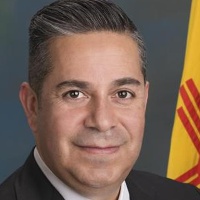
This bill ensures uninterrupted funding for SNAP and WIC benefits through fiscal year 2026, covering any missed payments during a funding lapse.
Ben Luján
Senator
NM
Ben Luján
Senator
NM
The Keep SNAP and WIC Funded Act of 2025 ensures that essential nutrition programs, including SNAP and WIC, continue to provide benefits without interruption if full appropriations for the Department of Agriculture are not enacted for Fiscal Year 2026. This legislation immediately makes funds available to cover benefits and state operating costs during any funding lapse, retroactive to September 30, 2025. These special appropriations terminate once the standard FY 2026 funding bill is passed or by September 30, 2026.
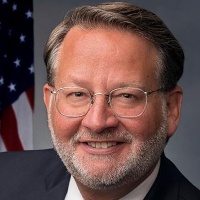
This bill appropriates funds to ensure military and federal employees and contractors receive full compensation for work performed or time furloughed during a lapse in government appropriations between October 1, 2025, and the date of enactment.
Gary Peters
Senator
MI
Gary Peters
Senator
MI
The Military and Federal Employee Protection Act ensures that federal employees, military members, and covered contractors receive their full standard compensation for work performed or time furloughed during a lapse in government appropriations occurring after September 30, 2025. This bill appropriates necessary funds for agencies to make these retroactive payments. Payments must be made promptly, generally within seven days of enactment for furloughed individuals. This legislation guarantees that no covered individual loses pay due to a government shutdown during the specified period.
The TREATS Act allows a single telehealth evaluation to satisfy the in-person requirement for prescribing certain Schedule III, IV, or V controlled substances approved for substance use disorder treatment.

Lisa Murkowski
Senator
AK
Lisa Murkowski
Senator
AK
The TREATS Act modifies existing law to expand access to medication-assisted treatment for substance use disorders. Specifically, it allows a single telehealth evaluation to satisfy the prior in-person evaluation requirement for prescribing certain Schedule III, IV, or V controlled substances approved for addiction treatment. This change aims to improve the delivery of necessary therapy services via remote care.
This bill mandates that secondary schools provide military recruiters with equal access to students and their contact information for recruitment purposes.

John Cornyn
Senator
TX
John Cornyn
Senator
TX
This bill mandates that secondary schools provide military recruiters with the same access to students and campus facilities as any other prospective employer or institution of higher education. It requires schools to facilitate a minimum of four in-person recruitment events annually. Furthermore, the legislation compels local educational agencies to disclose specific student contact and academic information to military recruiters upon request.
This Act ensures back pay for federal employees, contractors, and service members affected by a government shutdown beginning October 1, 2025, and prohibits agency staffing reductions during such lapses.

Chris Van Hollen
Senator
MD
Chris Van Hollen
Senator
MD
The True Shutdown Fairness Act ensures that federal employees, contractors, and service members affected by a government funding lapse starting October 1, 2025, receive retroactive back pay for the period they worked without funding. Additionally, the bill prohibits agencies from initiating permanent staffing reductions or furloughs during such a lapse. These provisions are designed to provide financial security and stability to essential government personnel during periods of lapsed appropriations.
This bill updates the Water Resources Research Act of 1984 to specifically include the AI industry in water research collaboration and authorizes funding through 2029, prioritizing interstate water challenges.

John Boozman
Senator
AR
John Boozman
Senator
AR
The Advancing Water Research and Collaboration Act of 2025 updates existing water research law to explicitly include the artificial intelligence industry in federal water research initiatives. The bill authorizes $16 million annually through 2029 for Water Resources Research Institutes. Furthermore, it mandates that 20% of these funds must be dedicated to research addressing water problems that cross state boundaries.
This resolution officially recognizes the 250th birthday of the United States Navy, celebrating its history, vital role in national security and global affairs, and expressing profound gratitude to all who have served.

Roger Wicker
Senator
MS
Roger Wicker
Senator
MS
This resolution officially recognizes and celebrates the 250th birthday of the United States Navy, honoring its long history since the Continental Navy. It expresses deep appreciation for the courage and service of all Navy personnel, past and present, who have defended the nation. Furthermore, the resolution reaffirms Congress's commitment to supporting the Navy's vital role in global security, humanitarian aid, and technological advancement.
This resolution designates September 30, 2025, as "Impact Aid Recognition Day" to celebrate the 75th anniversary of the federal program that financially supports school districts impacted by federal property or students.

Mazie Hirono
Senator
HI
Mazie Hirono
Senator
HI
This resolution designates September 30, 2025, as "Impact Aid Recognition Day" to celebrate the 75th anniversary of the Impact Aid program. The program provides crucial financial assistance to local school districts that educate students living on or whose parents work on federal property. This recognition highlights the federal government's ongoing commitment to ensuring quality education in these uniquely impacted communities.
This Act mandates federal agencies to compensate contractors for employee costs incurred due to funding lapses and appropriates necessary funds to cover resulting contract price adjustments.

Tina Smith
Senator
MN
Tina Smith
Senator
MN
The Fair Pay for Federal Contractors Act of 2025 ensures federal agencies compensate contractors for employee costs incurred due to government funding lapses or shutdowns. This act mandates contract price adjustments to cover reasonable expenses for furloughed or impacted contractor employees, up to a specified weekly limit. The law also provides necessary appropriations to cover these adjustments and requires public reporting on the compensation provided.
This bill increases the dedicated federal transit funding share for small, transit-intensive cities from 3% to 5% of available funds.

Jerry Moran
Senator
KS
Jerry Moran
Senator
KS
The Small Communities Transit Improvement Act increases the dedicated federal transit funding share for small cities with high transit usage from 3% to 5%. This change adjusts the formula for distributing public transportation grants to better support these transit-dependent communities.