Legislative Activity
Track Julie's sponsored bills, co-sponsored legislation, and voting record
The Cool Corridors Act of 2025 extends funding for the Healthy Streets program to prioritize installing green infrastructure like trees along transportation routes in heat-vulnerable communities to mitigate extreme heat and improve transit access.
Marilyn Strickland
Representative
WA
Marilyn Strickland
Representative
WA
The Cool Corridors Act of 2025 aims to combat extreme heat and improve transportation safety by funding the installation of green infrastructure, like trees, along walking, biking, and transit routes. This legislation reauthorizes and updates the Healthy Streets program to prioritize these cooling projects in the most vulnerable and underserved communities. The Act defines "cool corridors" and establishes clear criteria for demonstration projects focused on heat mitigation and long-term maintenance.
This Act mandates the Secretary of State to conduct and annually report on a comprehensive review of U.S. diplomatic posture, resources, and alignment with national security priorities.
Ami Bera
Representative
CA
Ami Bera
Representative
CA
The U.S. Diplomatic Posture Review Act of 2025 mandates that the Secretary of State conduct a comprehensive review of all U.S. diplomatic offices and resource allocation globally. This annual report, the USDPR, must align the State Department's posture with current U.S. national security and foreign policy priorities. The Act requires detailed reporting on staffing, foreign aid, operational costs, and planned strategic shifts to ensure effective global engagement.
This bill authorizes the creation and sale of commemorative coins for the 2028 Los Angeles and 2034 Salt Lake City Olympic and Paralympic Games to help fund the events, with all surcharges going to the respective organizing committees after covering production costs.
Brad Sherman
Representative
CA
Brad Sherman
Representative
CA
This Act authorizes the Secretary of the Treasury to mint and sell special commemorative coins for the 2028 Los Angeles Olympic and Paralympic Games and the 2034 Salt Lake City Winter Olympic and Paralympic Games. The coins will feature designs celebrating American athletes and the Games themselves. All surcharges collected from the sale of these coins will be directed to the respective organizing committees to help fund the events and related youth sports programs. The entire program must be conducted at no cost to the U.S. Government.
This Act establishes federal authority to limit congressional redistricting to once per decade following the census, barring mid-cycle redraws unless mandated by a court.
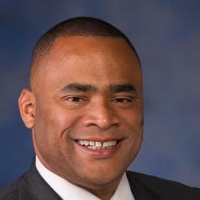
Marc Veasey
Representative
TX
Marc Veasey
Representative
TX
The Anti-Rigging Act of 2025 asserts Congress's constitutional authority to regulate the process by which states redraw congressional districts following the decennial census. This law generally prohibits states from making mid-cycle changes to their congressional maps after the initial post-apportionment redistricting. Any required changes before the next census can only occur if mandated by a court ruling concerning constitutional or Voting Rights Act violations. This legislation specifically does not affect the administration of state or local elections.
The PBM Reform Act of 2025 mandates sweeping changes to increase transparency, ensure fair pharmacy access in Medicare, and prohibit abusive spread pricing in Medicaid by holding Pharmacy Benefit Managers accountable for their financial dealings.
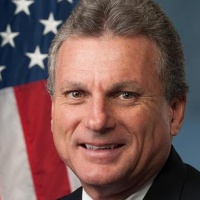
Earl Carter
Representative
GA
Earl Carter
Representative
GA
The Pharmacy Benefit Manager Reform Act of 2025 aims to increase transparency and accountability across the prescription drug supply chain. It mandates fairer pharmacy network access for Medicare beneficiaries and imposes strict new financial reporting and service fee requirements on Pharmacy Benefit Managers (PBMs) working with Medicare and private health plans. Furthermore, the bill establishes new federal mechanisms to accurately track drug acquisition costs in Medicaid and explicitly bans the practice of "spread pricing" in state Medicaid contracts.
This resolution condemns Russia's forced deportation and Russification of Ukrainian children and demands their return before any final peace agreement is reached.
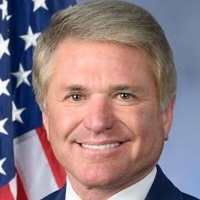
Michael McCaul
Representative
TX
Michael McCaul
Representative
TX
This resolution strongly condemns Russia for the abduction and forced "Russification" of Ukrainian children, highlighting these actions as grave violations of international law. It emphasizes that these children must be safely returned to Ukraine before any final peace agreement to end the war is considered. The document also underscores the heightened risks of trafficking, violence, and trauma faced by Ukrainian children due to the ongoing invasion.
This bill mandates a study by the Comptroller General on the capabilities, limitations, and resource needs of current weather monitoring systems in rural areas.

Nathaniel Moran
Representative
TX
Nathaniel Moran
Representative
TX
The Rural Weather Monitoring Systems Act mandates a comprehensive study by the Comptroller General on the current capabilities and limitations of weather monitoring in rural areas. This report will assess resource availability, identify underserved locations, and detail the obstacles rural communities face in establishing or upgrading their weather systems. The goal is to determine the necessity of improved weather monitoring infrastructure across the countryside.
The GLOBE Act of 2025 mandates comprehensive U.S. government action to protect and promote the human rights of LGBTQI people globally through diplomatic strategies, targeted sanctions, foreign aid reform, and immigration protections.
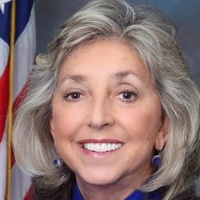
Dina Titus
Representative
NV
Dina Titus
Representative
NV
The GLOBE Act of 2025 establishes a comprehensive U.S. strategy to champion and protect the human rights of LGBTQI people globally through diplomacy, targeted sanctions, and foreign assistance reforms. The bill mandates enhanced reporting on violence and discrimination while creating new interagency roles and funds to support international advocacy and development efforts. Furthermore, it reforms immigration law to better protect LGBTQI asylum seekers and ensures inclusive implementation of U.S. global health programs like PEPFAR.
This resolution expresses Congressional support for LGBTQI+ equality and designates June 26th as "LGBTQI+ Equality Day" to commemorate key legal victories and highlight the need for further anti-discrimination legislation.
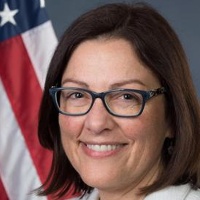
Suzan DelBene
Representative
WA
Suzan DelBene
Representative
WA
This resolution expresses the House's support for the rights and freedoms of LGBTQI+ individuals across the United States. It recognizes key Supreme Court decisions that advanced equality and highlights the ongoing need for comprehensive legal protections against discrimination. Finally, the bill proposes designating June 26th as "LGBTQI+ Equality Day" to commemorate these legal victories.
The Equal Dignity for Married Taxpayers Act updates the Internal Revenue Code by replacing gendered language with gender-neutral terms to ensure consistent and equal application of tax laws for all legally married couples.
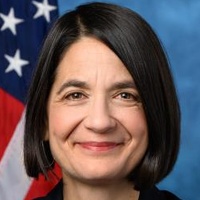
Becca Balint
Representative
VT
Becca Balint
Representative
VT
The Equal Dignity for Married Taxpayers Act modernizes the Internal Revenue Code by replacing gendered language with gender-neutral terms for all legally married couples. This sweeping update ensures consistency across tax rules regarding filing status, deductions, and credits, regardless of the spouses' genders. The bill clarifies that married couples are often treated as a single entity for specific tax purposes. Ultimately, this legislation updates terminology to reflect equal dignity for all married taxpayers.
The CONNECT for Health Act of 2025 permanently expands Medicare telehealth access by removing geographic restrictions, increasing practitioner flexibility, bolstering program integrity, and mandating supports for quality remote care delivery.
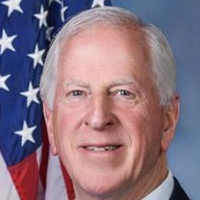
Mike Thompson
Representative
CA
Mike Thompson
Representative
CA
The CONNECT for Health Act of 2025 significantly expands and permanently secures access to Medicare telehealth services by eliminating outdated geographic restrictions and allowing more practitioners to offer remote care. The bill also strengthens program integrity by dedicating funds for telehealth oversight while clarifying rules around providing necessary technology to patients. Finally, it mandates the creation of tailored educational resources and public reporting to improve quality measurement and transparency in remote care delivery.
The Safe Storage Saves Lives Act mandates that compatible gun locks be provided with every firearm transfer, clarifies secure storage definitions, and requires sellers to have compatible safety devices available for all firearms offered for sale.
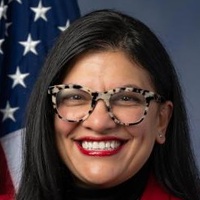
Rashida Tlaib
Representative
MI
Rashida Tlaib
Representative
MI
The Safe Storage Saves Lives Act expands federal requirements to ensure a compatible gun lock is provided with the sale of **every** firearm, not just handguns. It clarifies the definition of secure storage devices and mandates that sellers must have a compatible safety device available for every firearm offered for sale. Finally, the bill suggests that fines collected from violations should fund programs to distribute free or low-cost gun safety devices or public awareness campaigns.
This Act mandates that federal officers involved in border security or immigration enforcement must clearly display identification, wear visible uniforms or badges, and not conceal their faces during detentions or arrests.

Dan Goldman
Representative
NY
Dan Goldman
Representative
NY
The No Secret Police Act of 2025 mandates that federal officers engaged in border security or immigration enforcement must clearly display identification, wear visible badges or uniforms, and refrain from wearing face coverings during detentions or arrests. This ensures accountability by requiring clear identification from Department of Homeland Security (DHS) personnel. The bill also requires the Secretary of Homeland Security to report on current tactical gear policies and research methods to improve officer visibility.
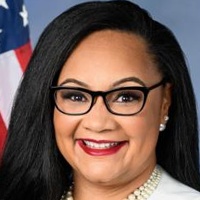
This Act increases the federal matching rate for Medicaid expenditures made by states on expanded maternal health services provided by qualified providers.
Nikema Williams
Representative
GA
Nikema Williams
Representative
GA
The Advancing Maternal Health Equity Under Medicaid Act aims to increase federal funding for states that expand Medicaid coverage for maternal health services. This bill provides a higher Federal Medical Assistance Percentage (FMAP) to cover 90% of a state's increased expenditures on qualifying prenatal, postpartum, and related support services. To qualify, states must use these funds to supplement existing spending and improve the quality and capacity of care delivered by designated maternity providers and perinatal health workers.
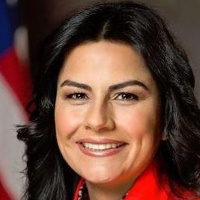
This resolution recognizes the right to peaceful protest while condemning violence and criticizing the federal government's controversial deployment of military forces during recent Los Angeles demonstrations.
Nanette Barragán
Representative
CA
Nanette Barragán
Representative
CA
This resolution formally recognizes the constitutional right to peaceful protest while strongly condemning violence and illegal acts committed during demonstrations. It criticizes the federal government's deployment of military forces during recent events, arguing the actions were an overreach that bypassed proper legal and state authority. Ultimately, the bill asserts the importance of transparency in law enforcement and denounces rhetoric that escalates community tensions.
This Act prohibits states from interfering with or penalizing individuals who provide, receive, or facilitate abortion services that are legal in the state where the service occurs, including interstate travel for such care.

Lizzie Fletcher
Representative
TX
Lizzie Fletcher
Representative
TX
The Ensuring Women’s Right to Reproductive Freedom Act prohibits states from interfering with or retaliating against individuals who provide or receive abortion services that are legal in the state where the service occurs. This protection extends to interstate travel for legal abortion care and the movement of FDA-approved abortion-related drugs across state lines. Individuals harmed by violations can sue in federal court for damages and legal fees.
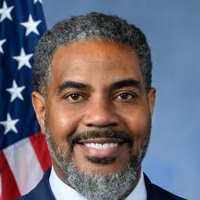
The Break the Cycle of Violence Act establishes federal frameworks within HHS and the Department of Labor to fund community-based violence intervention programs and provide job training for opportunity youth in high-violence areas.
Steven Horsford
Representative
NV
Steven Horsford
Representative
NV
The Break the Cycle of Violence Act establishes federal frameworks within HHS and the Department of Labor to address community violence through prevention and economic opportunity. Title I creates grants for community-based violence intervention programs focused on evidence-based, trauma-responsive care, while Title II funds job training for opportunity youth in high-violence areas. Overall, the bill aims to reduce violence by investing in local services and creating pathways to employment rather than relying solely on incarceration.
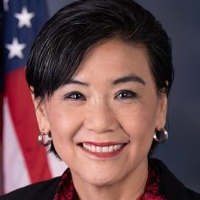
The Women’s Health Protection Act of 2025 establishes a federal right to access abortion services before fetal viability and protects the right to travel for care, overriding state restrictions that place burdens on abortion access not imposed on comparable medical procedures.
Judy Chu
Representative
CA
Judy Chu
Representative
CA
The Women’s Health Protection Act of 2025 establishes a federal statutory right to access abortion services, prohibiting medically unnecessary restrictions that impede care before fetal viability. This Act protects the right of patients to travel across state lines to receive reproductive healthcare and allows providers to offer services free from state interference that conflicts with established medical standards. It preempts conflicting state and local laws and provides robust enforcement mechanisms for individuals and the Attorney General to challenge violations.
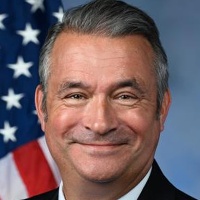
This Act directs the Secretary of HHS to issue guidance on Medicaid/CHIP coverage for postpartum pelvic health services and establishes a national education campaign on the topic.
Don Bacon
Representative
NE
Don Bacon
Representative
NE
The Optimizing Postpartum Outcomes Act of 2025 aims to improve women's health after childbirth by clarifying Medicaid/CHIP coverage for essential pelvic health services. It mandates federal guidance for states on covering services like pelvic floor exams and physical therapy, alongside establishing a national education campaign for both providers and new mothers. The bill also directs the GAO to study existing coverage gaps for postpartum women under Medicaid.
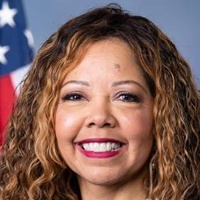
This Act mandates that colleges receiving federal aid establish and clearly communicate policies and resources regarding leave, accommodations, financial aid, and support services for expectant and parenting students.
Lucy McBath
Representative
GA
Lucy McBath
Representative
GA
The Helping Student Parents Succeed Act requires colleges receiving federal aid to establish clear policies supporting expectant and parenting students. These institutions must provide comprehensive information regarding academic accommodations, financial aid adjustments like dependent care allowances, and available support services. The bill ensures these students are fully informed of their rights, available resources, and complaint procedures related to pregnancy and parental status.