Legislative Activity
Track Jonathan's sponsored bills, co-sponsored legislation, and voting record
The High Court Gift Ban Act prohibits federal judicial officers from accepting gifts exceeding $50 per instance or $100 annually from a single source, with specific exceptions and enforcement penalties.
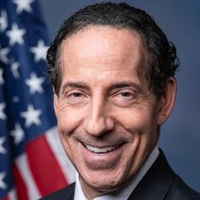
Jamie Raskin
Representative
MD
Jamie Raskin
Representative
MD
The High Court Gift Ban Act establishes strict limits on gifts accepted by federal judicial officers, prohibiting any gift valued over $50 or exceeding $100 in total annual value from a single source. The bill includes specific exemptions for personal hospitality, professional events, and family gifts, while mandating enforcement through the Judicial Conference and potential civil or criminal penalties for violations.
This resolution designates July 10th as Journeyman Lineworkers Recognition Day to honor the essential service and sacrifices of the professionals who maintain our nation’s power grid.

Linda Sánchez
Representative
CA
Linda Sánchez
Representative
CA
This resolution designates July 10th as Journeyman Lineworkers Recognition Day to honor the essential, high-risk work performed by these skilled professionals. It pays tribute to the lineworkers who provide critical service during emergencies and recognizes those who have made the ultimate sacrifice in the line of duty.
The Extreme Temperatures Injustice in Prisons Act of 2026 mandates upgrades to HVAC systems, establishes strict temperature safety standards, and requires regular monitoring and oversight to protect incarcerated individuals and staff from extreme heat and cold in federal prisons.
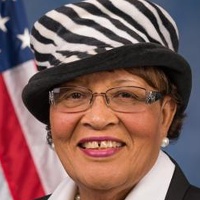
Alma Adams
Representative
NC
Alma Adams
Representative
NC
The Extreme Temperatures Injustice in Prisons Act of 2026 mandates that the Bureau of Prisons upgrade HVAC systems and implement strict temperature monitoring across all federal correctional facilities. The bill establishes enforceable standards to protect both incarcerated individuals and staff from extreme heat and cold while requiring the provision of essential mitigation supplies. Additionally, it mandates regular health reporting, oversight by the Inspector General, and specialized protections for medically vulnerable populations.
This resolution honors the victims, survivors, and first responders of the 2022 Highland Park Independence Day parade shooting while reaffirming a commitment to community healing and the reduction of gun violence.
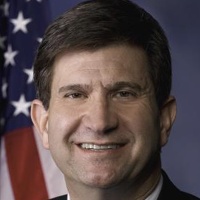
Bradley Schneider
Representative
IL
Bradley Schneider
Representative
IL
This resolution honors the seven victims of the July 4, 2022, Highland Park Independence Day parade shooting on its fourth anniversary. It expresses support for the survivors and their families while commending the courageous response of first responders and the resilience of the Highland Park community. Finally, the House reaffirms its commitment to supporting those affected by the tragedy and working to reduce gun violence.
This bill directs the President to remove U.S. Armed Forces from hostilities in Lebanon within seven days, pursuant to the War Powers Resolution.
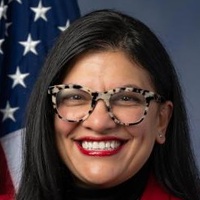
Rashida Tlaib
Representative
MI
Rashida Tlaib
Representative
MI
This resolution directs the President to withdraw U.S. Armed Forces from hostilities in Lebanon within seven days, utilizing authority under the War Powers Resolution. It explicitly clarifies that this action does not authorize the use of military force or limit security cooperation with Lebanese forces or the protection of diplomatic facilities.
The Community Housing Act of 2026 provides comprehensive federal funding and policy reforms to expand the national housing supply, increase affordable rental options, and support pathways to homeownership for low-income and rural families.
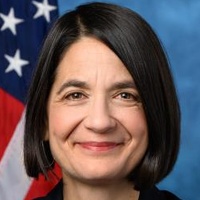
Becca Balint
Representative
VT
Becca Balint
Representative
VT
The Community Housing Act of 2026 is a comprehensive legislative package designed to increase the nation’s housing supply and improve long-term affordability. The bill provides billions in federal funding for affordable housing construction, incentivizes local zoning reform, and expands support for rural homeownership and tenant protections. By streamlining financing and removing regulatory barriers, the act aims to create more housing options for low- and middle-income families across the country.
The Save MEDICARE Act of 2026 reforms Medicare Advantage by tightening payment accuracy, enhancing audit and enforcement authority, and requiring private insurers to reimburse the VA for veteran healthcare services.
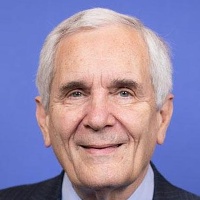
Lloyd Doggett
Representative
TX
Lloyd Doggett
Representative
TX
The Save MEDICARE Act of 2026 aims to increase transparency and accountability within the Medicare Advantage program by reforming payment methodologies, tightening oversight of diagnosis coding, and accelerating audit processes. The bill also enhances the Department of Veterans Affairs' ability to recover healthcare costs from private insurers and empowers states to enforce federal requirements for Medicare Advantage plans. These measures are designed to ensure more accurate payments, reduce deceptive practices, and protect resources for all Medicare enrollees.
This bill extends the window for military survivors to contribute death benefits to a Roth IRA or Coverdell ESA from one year to three years.
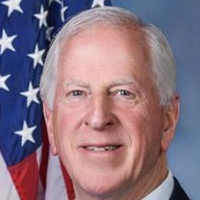
Mike Thompson
Representative
CA
Mike Thompson
Representative
CA
The GRACE for Military Survivors Act extends the window for military survivors to contribute death benefits to a Roth IRA or Coverdell education savings account from one year to three years. This change applies to benefits received on or after the date of enactment, and retroactively covers benefits received since October 7, 2001. This provides survivors with more time to utilize these tax-advantaged savings options.
The Haitian Refugee Immigration Fairness Act of 2026 provides a pathway to lawful permanent residence for eligible Haitian nationals and their families who have been continuously present in the United States since June 26, 2024.

Frederica Wilson
Representative
FL
Frederica Wilson
Representative
FL
The Haitian Refugee Immigration Fairness Act of 2026 provides a pathway to lawful permanent residence for eligible Haitian nationals who have been continuously present in the United States since June 26, 2024. This legislation allows qualified individuals and their immediate family members to apply for green cards within a three-year window, regardless of their current immigration status. The bill ensures that these adjustments occur outside of existing numerical visa limits and provides protections against deportation while applications are pending.
The Home Internet Accessibility Act mandates a comprehensive federal assessment and strategic plan to expand broadband infrastructure and connectivity within federally assisted housing.
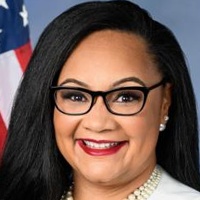
Nikema Williams
Representative
GA
Nikema Williams
Representative
GA
The Home Internet Accessibility Act mandates a comprehensive assessment of broadband infrastructure within federally assisted housing to identify gaps in connectivity and physical capacity. Following this report, the Department of Housing and Urban Development is required to develop a strategic plan to retrofit these properties for modern internet access. This legislation aims to bridge the digital divide by providing Congress with the data and actionable recommendations necessary to ensure all federally assisted housing can support reliable broadband service.
This act strengthens worker protections by increasing pay transparency, expanding recovery for wage theft, and establishing grants to combat illegal pay practices.

Rosa DeLauro
Representative
CT
Rosa DeLauro
Representative
CT
The Wage Theft Prevention and Wage Recovery Act strengthens worker protections by amending the Fair Labor Standards Act to mandate pay transparency, guarantee timely final pay, and significantly increase penalties for wage theft. It also extends the statute of limitations for filing wage claims and establishes a federal grant program to support local efforts in preventing wage theft and assisting workers with recovery. Overall, the bill aims to ensure workers receive the full wages they are owed through stricter enforcement and greater accountability for employers.
This bill restricts federal agencies from relocating to states with restrictive abortion laws, provides travel allowances and administrative leave for employees seeking out-of-state reproductive care, and protects employees' privacy regarding such care in security clearance and personnel decisions.
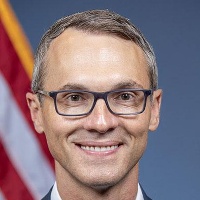
James Walkinshaw
Representative
VA
James Walkinshaw
Representative
VA
The Federal Workforce Reproductive Rights Protection Act restricts federal agencies from relocating operations to states with restrictive abortion laws. It also provides federal employees with travel allowances and administrative leave to access out-of-state reproductive healthcare services. Furthermore, the bill prohibits using reproductive health decisions as a factor in security clearance determinations or other personnel actions.
This Act establishes the fundamental right to vote in federal elections and prohibits governments from imposing undue burdens or substantial impairments on that right through a rigorous judicial review process.

Summer Lee
Representative
PA
Summer Lee
Representative
PA
The Right to Vote Act establishes the fundamental right of every citizen to vote in federal elections and prohibits governments from imposing undue burdens on this right. It sets strict standards for when a government action that diminishes or substantially impairs voting can be upheld, requiring it to be the least restrictive means of furthering an important governmental interest. The Act also authorizes private citizens to bring civil actions in federal court to challenge violations, with expedited proceedings and provisions for awarding attorney's fees.
The LIFT the BAR Act restores federal public benefit eligibility, including SNAP, Medicaid, and housing assistance, for many lawfully present noncitizens by repealing restrictions from the 1996 welfare law and updating terminology.

Pramila Jayapal
Representative
WA
Pramila Jayapal
Representative
WA
The LIFT the BAR Act repeals decades-old restrictions that barred many lawfully present noncitizens from accessing essential federal public benefits. This legislation restores eligibility for programs like SNAP, Medicaid, CHIP, and housing assistance for qualified noncitizens. The bill also updates terminology, replacing "alien" with "noncitizen" throughout relevant statutes.
The Latonya Reeves Freedom Act of 2026 strengthens the right of individuals eligible for long-term services and supports to live in the most integrated community setting possible, holding states and providers accountable for transitioning people out of institutions.
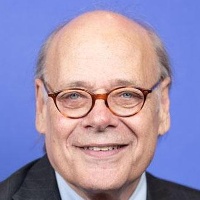
Steve Cohen
Representative
TN
Steve Cohen
Representative
TN
The Latonya Reeves Freedom Act of 2026 aims to strengthen the right of individuals eligible for long-term services and supports (LTSS) to live in the most integrated community setting possible. It prohibits discrimination by public entities and insurers against those who qualify for institutional placement but desire community-based services. The Act mandates comprehensive planning, self-evaluation, and enforcement mechanisms to speed up the transition of individuals out of institutions and ensure maximum control over their supports.
This act doubles the maximum Pell Grant award, makes funding mandatory, extends eligibility to Dreamer students, restores previous eligibility limits, and reforms Satisfactory Academic Progress rules.
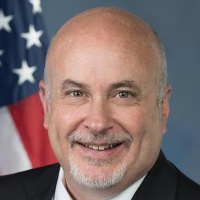
Mark Pocan
Representative
WI
Mark Pocan
Representative
WI
The Pell Grant Preservation and Expansion Act of 2026 aims to significantly strengthen federal student aid by doubling the maximum Pell Grant award and funding it through mandatory appropriations. This bill also expands eligibility to include Dreamer students, restores Pell Grant eligibility for students with certain scholarships, and reforms Satisfactory Academic Progress (SAP) rules to make regaining aid easier after academic setbacks. These changes are designed to stabilize and expand access to postsecondary education for millions of students.
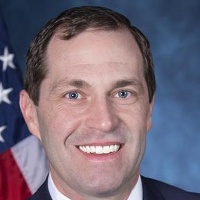
This resolution expresses support for designating June 21, 2026, as National ASK (Asking Saves Kids) Day to promote children's health through secure gun storage awareness.
Jason Crow
Representative
CO
Jason Crow
Representative
CO
This resolution expresses support for designating June 21, 2026, as National ASK (Asking Saves Kids) Day. The day aims to promote children's health by encouraging parents to ask about the secure storage of guns in homes before their children visit. It highlights the critical need for safe gun storage given the high rates of youth firearm deaths and injuries.
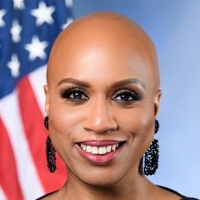
This bill prohibits Medicare Advantage plans from requiring prior authorization for repairs to complex rehabilitation technology like certain wheelchairs.
Ayanna Pressley
Representative
MA
Ayanna Pressley
Representative
MA
The FAST Repairs for Wheelchairs Act aims to speed up the repair process for essential mobility devices covered under Medicare Advantage. This bill prohibits Medicare Advantage plans from requiring prior authorization or extra documentation before covering necessary repairs to complex rehabilitation wheelchairs and related accessories. These new rules take effect for plan years beginning on or after January 1st following the law's enactment.
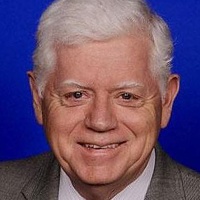
This bill requires Congressional approval for any legal settlement involving a current or former President and the federal government.
John Larson
Representative
CT
John Larson
Representative
CT
The "Don’t Settle for Corruption Act" requires the Attorney General to submit any proposed lawsuit settlements involving current or former Presidents to Congress for review. Under this bill, such settlements cannot be finalized or paid unless Congress passes a joint resolution of approval within 60 days. This measure aims to increase transparency and oversight regarding legal agreements between the executive branch and former or sitting Presidents.
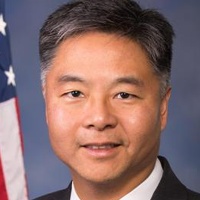
This bill calls for the restoration of the U.S. Refugee Admissions Program and reaffirms America's commitment to protecting refugees and displaced persons globally.
Ted Lieu
Representative
CA
Ted Lieu
Representative
CA
This resolution reaffirms the United States' commitment to refugee protection both domestically and globally, condemning recent policy actions that suspended refugee admissions. It calls for the immediate restoration of the U.S. Refugee Admissions Program and stronger support for displaced persons worldwide. The bill emphasizes the legal, moral, and economic benefits of robust refugee resettlement policies.