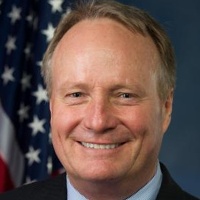
Legislative Activity
Track David's sponsored bills, co-sponsored legislation, and voting record
The Veterans Equal Access Act allows VA healthcare providers to provide veterans with recommendations and opinions regarding participation in state marijuana programs.
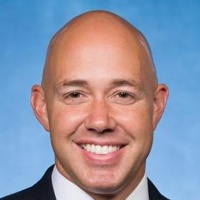
Brian Mast
Representative
FL
Brian Mast
Representative
FL
The Veterans Equal Access Act allows Veterans Affairs health providers to discuss medical marijuana with veterans and provide recommendations or opinions regarding participation in state marijuana programs. This includes completing necessary forms for veterans in states, districts, territories, and recognized Indian Tribes with existing medical marijuana programs. This ensures veterans have access to informed medical advice from their VA healthcare providers regarding medical marijuana options.
This bill officially renames the federal holiday on the third Monday of February from "Washington's Birthday" to "Presidents Day" and updates all relevant legal references.
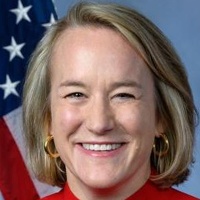
Nicole (Nikki) Budzinski
Representative
IL
Nicole (Nikki) Budzinski
Representative
IL
The Presidential Legacy Act officially renames the federal holiday on the third Monday of February from "Washington's Birthday" to "Presidents Day." This act mandates that all federal laws, rules, regulations, and official documents be updated to reflect this change, ensuring consistent recognition of the holiday as Presidents Day.
The Susan Muffley Act of 2025 ensures full pension benefits for eligible participants and beneficiaries under specific terminated pension plans, recalculating benefits, providing lump-sum payments for past-due amounts, and establishing a trust fund to cover increased benefit payments.
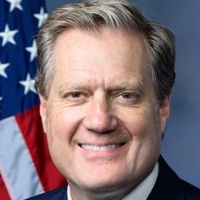
Michael Turner
Representative
OH
Michael Turner
Representative
OH
The Susan Muffley Act of 2025 ensures that eligible participants and beneficiaries under specific pension plans, like the Delphi and PHI retirement programs, receive their full vested benefits. It directs the Pension Benefit Guaranty Corporation (PBGC) to recalculate benefits, provide lump-sum payments for past-due amounts with interest, and establishes a trust fund within the Treasury to cover these increased payments. The act also includes provisions for the tax treatment of lump-sum payments, allowing recipients to spread the income over three years unless they elect otherwise.
This resolution expresses Congressional opposition to imposing new performance fees or royalties on local radio stations and businesses for broadcasting or playing music.
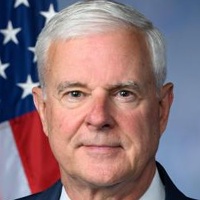
Steve Womack
Representative
AR
Steve Womack
Representative
AR
The Local Radio Freedom Act expresses Congressional opposition to imposing new performance fees, taxes, or royalties on local radio stations and businesses for playing music. It argues that the current system of free airplay provides essential promotional value to artists and that new fees would threaten the financial viability of local broadcasters and the vital community services they provide.
The "Death Tax Repeal Act" eliminates estate and generation-skipping transfer taxes, adjusts gift tax calculations, and sets a $10,000,000 lifetime gift exemption.
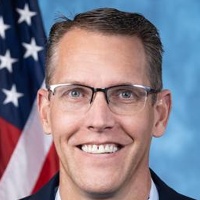
Randy Feenstra
Representative
IA
Randy Feenstra
Representative
IA
The "Death Tax Repeal Act" eliminates both estate and generation-skipping transfer taxes, effective from the date of enactment. It adjusts gift tax calculations by setting the lifetime gift exemption at $10,000,000, with inflation adjustments after 2011. The Act also includes transitional rules for applying certain sections of the Internal Revenue Code during the enactment year.
The United States-Israel Defense Partnership Act of 2025 bolsters defense cooperation between the U.S. and Israel through joint programs, funding increases, and extended authorities related to countering unmanned systems, anti-tunnel technology, emerging technologies, and war reserve stockpiles, while also exploring Israel's inclusion in the national technology and industrial base and assessing integrated air and missile defense in the CENTCOM region.
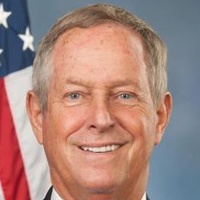
Joe Wilson
Representative
SC
Joe Wilson
Representative
SC
The United States-Israel Defense Partnership Act of 2025 seeks to bolster the defense relationship between the United States and Israel through joint initiatives and increased cooperation. It establishes programs to counter unmanned systems, extend anti-tunnel and counter-UAS cooperation, and promote collaboration in emerging technologies like AI and cybersecurity. The act also mandates the establishment of a Defense Innovation Unit office in Israel and assesses integrated air and missile defense in the U.S. Central Command region. Finally, it explores Israel's potential inclusion in the national technology and industrial base.
The "Great Lakes Gateways Network Act of 2025" establishes a program to support the conservation, restoration, and public access to natural, recreational, historical, and cultural resources within the Great Lakes Watershed through collaborative efforts and grants.

Marcy Kaptur
Representative
OH
Marcy Kaptur
Representative
OH
The "Great Lakes Gateways Network Act of 2025" establishes a network of sites and trails in the Great Lakes Watershed to protect and promote its natural, recreational, historical, and cultural resources. It authorizes the Department of Interior and EPA to provide financial and technical assistance through the Great Lakes Gateways Grants Assistance Program. This program supports state and local governments, nonprofits, and the private sector in conserving and restoring significant resources within the Great Lakes region. The act allocates \$6 million annually from 2026 to 2031 for these initiatives.
The Fair Access to Banking Act prohibits large financial institutions and payment networks from denying services to law-abiding businesses based on subjective, non-financial, or political criteria.
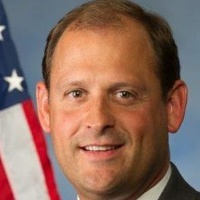
Garland Barr
Representative
KY
Garland Barr
Representative
KY
The Fair Access to Banking Act prohibits large financial institutions and payment networks from denying services to law-abiding businesses based on subjective, politically motivated, or reputational criteria. The bill mandates that financial institutions use impartial, quantitative, risk-based standards to evaluate customers rather than category-based exclusions. To ensure compliance, the legislation establishes enforcement mechanisms through federal regulators and provides a legal pathway for businesses to sue for damages if they are unfairly denied access to financial services.
The Love Lives On Act of 2025 ensures that surviving spouses of veterans and service members retain their earned dependency compensation, survivor benefits, and TRICARE eligibility regardless of remarriage.
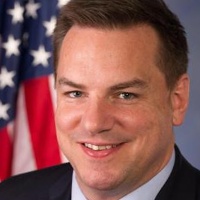
Richard Hudson
Representative
NC
Richard Hudson
Representative
NC
The Love Lives On Act of 2025 ensures that surviving spouses of veterans and service members retain their earned benefits, including dependency and indemnity compensation, educational assistance, and Survivor Benefit Plan annuities, regardless of remarriage. Additionally, the bill expands TRICARE eligibility to include widows and widowers whose subsequent marriages have ended. This legislation protects the financial security and healthcare access of surviving families by removing penalties associated with remarriage.
Recognizes and supports the contributions of Catholic schools in the U.S., celebrating their academic excellence, diverse communities, and the 51st annual National Catholic Schools Week.
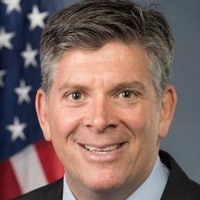
Darin LaHood
Representative
IL
Darin LaHood
Representative
IL
Recognizes and supports Catholic schools in the United States for their academic excellence, diverse communities, and values-based education. Designates January 26, 2025, to February 1, 2025, as National Catholic Schools Week, celebrating the commitment of Catholic schools, students, parents, and teachers to academic excellence and community service.
Recognizes the vital role of Certified Registered Nurse Anesthetists (CRNAs) in the U.S. healthcare system and supports their continued contributions to anesthesia and pain management.

Janice Schakowsky
Representative
IL
Janice Schakowsky
Representative
IL
This bill recognizes the significant contributions of Certified Registered Nurse Anesthetists (CRNAs) to the U.S. healthcare system, particularly in providing anesthesia and pain management for over 150 years. It acknowledges their crucial role in rural healthcare and the military, and supports the recognition of CRNAs during National CRNA Week. The bill encourages the full utilization of CRNAs in healthcare settings.
The Born-Alive Abortion Survivors Protection Act requires health care practitioners to provide the same level of care to infants born alive after an abortion attempt as they would to any other newborn, mandating immediate hospitalization and imposing penalties for violations, while protecting the mother from prosecution. It also allows the mother of a child born alive to file a civil action against anyone who violated the act.
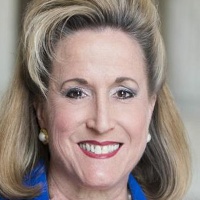
Ann Wagner
Representative
MO
Ann Wagner
Representative
MO
The "Born-Alive Abortion Survivors Protection Act" ensures that infants born alive after an abortion receive the same medical care as any other newborn, mandating immediate hospitalization and requiring healthcare practitioners to report any failures to comply. Violators face fines, imprisonment, and potential prosecution for homicide or attempted homicide, while the mother of the child cannot be prosecuted. The bill also allows the woman who had the abortion to file a civil action against anyone who violated the act. It defines abortion and attempts at abortion, and renames "Partial-Birth Abortions" to "Abortions" in relevant sections of the U.S. Code.
The Main Street Tax Certainty Act makes the 20% pass-through business income deduction permanent by removing its scheduled expiration after 2025.
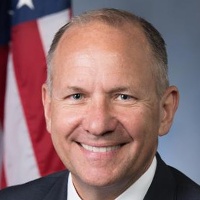
Lloyd Smucker
Representative
PA
Lloyd Smucker
Representative
PA
The Main Street Tax Certainty Act makes the 20% pass-through business income deduction permanent. By removing the current 2025 expiration date, this legislation ensures long-term tax relief for owners of qualified pass-through entities.
The Combat Veterans Pre-Enrollment Act of 2025 establishes a pilot program allowing eligible active-duty service members to pre-enroll in the VA healthcare system prior to their separation from the military.
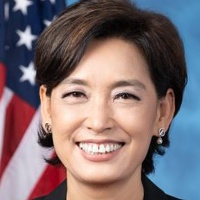
Young Kim
Representative
CA
Young Kim
Representative
CA
The Combat Veterans Pre-Enrollment Act of 2025 establishes a pilot program allowing eligible active-duty service members to pre-enroll in the Department of Veterans Affairs (VA) patient system before separating from the military. This initiative aims to streamline the transition to VA healthcare by ensuring seamless coverage for veterans immediately upon their departure from service.
This bill amends the Harmful Algal Bloom and Hypoxia Research and Control Act of 1998 to expand federal research, monitoring, and mitigation efforts for harmful algal blooms and hypoxia events across marine and freshwater systems.
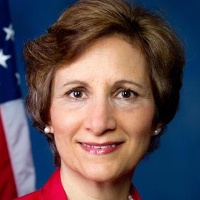
Suzanne Bonamici
Representative
OR
Suzanne Bonamici
Representative
OR
The Harmful Algal Bloom and Hypoxia Research and Control Amendments Act of 2025 strengthens federal efforts to monitor, forecast, and mitigate harmful algal blooms and hypoxia events across marine, estuarine, and freshwater systems. The bill establishes a permanent national program, creates a new technology incubator for bloom control, and enhances coordination between NOAA, the EPA, and tribal and local partners. Additionally, it expands research priorities and improves the process for declaring and responding to events of national significance to better protect public health, food security, and local economies.
The Chiropractic Medicare Coverage Modernization Act of 2025 expands Medicare coverage to include all services provided by doctors of chiropractic that are within the scope of their state licensure.
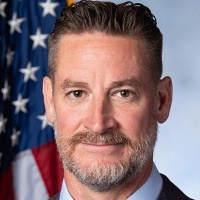
W. Steube
Representative
FL
W. Steube
Representative
FL
The Chiropractic Medicare Coverage Modernization Act of 2025 expands Medicare coverage to include all services legally authorized under a chiropractor’s state license, moving beyond the current restriction limited to manual spinal manipulation. This legislation aligns Medicare benefits with private insurance and other federal health programs to better reflect modern chiropractic practice. To provide these expanded services, chiropractors will be required to complete a one-time training program verified by the Secretary of Health and Human Services.
The PRECEPT Nurses Act establishes a $2,000 tax credit for eligible healthcare professionals who provide clinical supervision to nursing students and newly hired nurses in designated shortage areas.
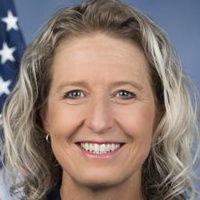
Jennifer Kiggans
Representative
VA
Jennifer Kiggans
Representative
VA
The PRECEPT Nurses Act establishes a $2,000 annual tax credit for eligible healthcare professionals who provide at least 200 hours of clinical supervision to nursing students or newly hired nurses in designated health professional shortage areas. This initiative, effective from 2026 through 2032, aims to address nursing shortages by incentivizing hands-on training and mentorship. The bill also mandates periodic reporting to Congress to evaluate the program's effectiveness in expanding the nursing workforce.
The FIND Act prohibits federal agencies from contracting with entities that discriminate against the firearm and ammunition industry, ensuring fair access to government contracts for these businesses. Contractors must certify they do not discriminate against firearm entities, with violations leading to contract termination.
Jack Bergman
Representative
MI
Jack Bergman
Representative
MI
The FIND Act prohibits federal agencies from contracting with entities that discriminate against the firearm and ammunition industry. It requires federal contractors to certify they do not discriminate against firearm entities and prohibits them from awarding subcontracts to entities that do not provide a similar certification. Violations of these clauses will result in contract termination. The act defines "discriminate" as making judgments or refusing/limiting services based on biased criteria, rather than case-by-case evaluations, empirical data, financial risk, or legal non-compliance.