
Legislative Activity
Track Ron's sponsored bills, co-sponsored legislation, and voting record
This bill eliminates diversity, equity, and inclusion (DEI) programs and initiatives within the federal government, federal training, federal contracting, federal grants and cooperative agreements, federal advisory committees, and higher education accreditation standards.
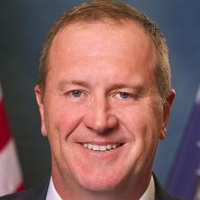
Eric Schmitt
Senator
MO
Eric Schmitt
Senator
MO
**Title I:** This bill seeks to eliminate diversity, equity, and inclusion (DEI) programs within the federal government by revoking prior directives, terminating DEI offices, and restricting DEI-related training and activities. **Title II:** This bill restricts federal training programs from including topics related to diversity, equity, and inclusion, and protects employees from mandatory training on these subjects. **Title III:** This bill modifies federal contracting practices by prohibiting the use of federal funds for DEI-related activities and ensuring non-discrimination in federal programs. **Title IV:** This bill restricts the use of federal grant and cooperative agreement funds for diversity, equity, inclusion, and accessibility (DEIA) initiatives, while exempting certain offices and institutions. **Title V:** This bill aims to eliminate diversity, equity, and inclusion (DEI) practices within federal advisory committees by outlining specific prohibitions, enforcement mechanisms, and responsibilities for agency administrators and heads to ensure compliance. **Title VI:** This bill addresses accreditation standards for higher education institutions and restricts the use of federal funds by the Secretary of Education related to diversity, equity, and inclusion (DEI) initiatives. **Title VII:** This bill eliminates certain diversity, equity, and inclusion (DEI) programs and related requirements across various federal agencies and acts. **Title VIII:** This bill focuses on the enforcement and legal standing of the Act, ensuring individuals have the right to seek justice if they believe the law has been violated, and clarifies that the law remains effective even if parts of it are deemed unconstitutional.
The Fair Access to Banking Act aims to prevent financial institutions from denying services to individuals or businesses based on subjective or political reasons, ensuring fair and impartial access to financial services.

Kevin Cramer
Senator
ND
Kevin Cramer
Senator
ND
The Fair Access to Banking Act aims to ensure equal access to financial services by preventing banks and credit unions from denying services to individuals or entities engaged in lawful activities based on subjective or politically motivated reasons. It sets requirements for banks with over $10 billion in assets, prohibiting them from denying services based on reputational risk and requiring them to justify denials with documented, risk-based standards. The act also allows individuals to sue financial institutions that violate these requirements, with the potential for treble damages and attorney fees awarded to successful plaintiffs. Furthermore, it restricts access to Federal Reserve lending programs and the Automated Clearing House Network for institutions that fail to comply with the Act.
This bill removes silencers from special tax and registration requirements under the National Firearms Act while imposing a new 10% excise tax and new federal marking standards on manufacturers.

Michael Crapo
Senator
ID
Michael Crapo
Senator
ID
The Hearing Protection Act seeks to remove silencers from special regulation under federal tax law, treating them similarly to standard firearms components. This bill preempts state and local governments from imposing special taxes or registration requirements on silencers involved in interstate commerce. Furthermore, it mandates the destruction of existing federal records identifying silencer owners and establishes new serial number marking requirements for manufacturers.
Designates the week beginning February 3, 2025, as "National Tribal Colleges and Universities Week" to recognize the importance and achievements of these institutions in providing culturally relevant education and workforce preparation to American Indians, Alaska Natives, and other students.
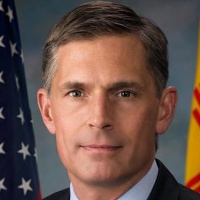
Martin Heinrich
Senator
NM
Martin Heinrich
Senator
NM
This resolution designates the week beginning February 3, 2025, as "National Tribal Colleges and Universities Week," recognizing the vital role of TCUs in providing culturally relevant education to American Indians, Alaska Natives, and other students. TCUs serve over 230 federally recognized Indian Tribes by offering high-quality postsecondary education and workforce preparation. The resolution encourages the public to participate in activities and programs that support these institutions.
Designates January 26 - February 1, 2025, as "National School Choice Week" to recognize the importance of diverse education options and parental empowerment in K-12 education. Encourages awareness and celebration of educational choice nationwide.

Tim Scott
Senator
SC
Tim Scott
Senator
SC
This resolution designates January 26 through February 1, 2025, as "National School Choice Week," recognizing the importance of diverse educational options (public, charter, magnet, private, online, and homeschooling). It emphasizes the role of parents in choosing the best educational environment for their children and encourages awareness of the benefits of school choice. The resolution supports celebrating educational choice and acknowledges the contributions of students, parents, teachers, and school leaders.
The A PLUS Act empowers states to consolidate federal education funding and reduce administrative burdens in exchange for increased local accountability and transparency in student performance.
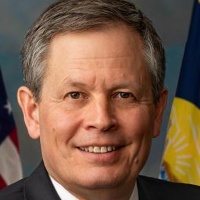
Steve Daines
Senator
MT
Steve Daines
Senator
MT
The A PLUS Act empowers states and local communities to take greater control of federal education funding by reducing administrative red tape and allowing for the consolidation of various programs. By opting into this flexibility, states can better tailor educational reforms to their specific needs while remaining publicly accountable for student achievement. The legislation ensures that states continue to uphold civil rights protections and provide transparent reporting on student progress to parents and taxpayers.
The Laken Riley Act mandates the detention of aliens who commit theft and empowers state attorneys general to sue the Department of Homeland Security or the Secretary of State over immigration enforcement failures.
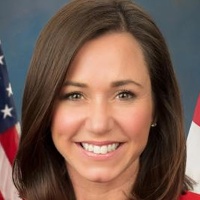
Katie Britt
Senator
AL
Katie Britt
Senator
AL
The Laken Riley Act mandates the detention of illegal aliens who commit theft, burglary, larceny, or shoplifting. It empowers state attorneys general to sue the Department of Homeland Security or the Secretary of State if they believe the state or its residents are harmed by violations of immigration enforcement or visa granting. The bill aims to ensure that these aliens are detained throughout their removal proceedings and to provide states with legal recourse against perceived failures in federal immigration enforcement.
This bill mandates rigorous background checks, home visits, and enhanced vetting for sponsors of unaccompanied migrant children to prevent human trafficking and ensure child safety.
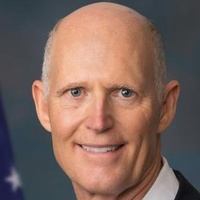
Rick Scott
Senator
FL
Rick Scott
Senator
FL
The Stop Human Trafficking of Unaccompanied Migrant Children Act of 2025 mandates rigorous background checks, fingerprinting, and mandatory home visits for all sponsors of unaccompanied migrant children. The bill prohibits placing children with sponsors who are unlawfully present in the U.S. and requires retroactive vetting for all sponsors since January 2021. Additionally, it establishes strict monthly reporting requirements to Congress to ensure accountability and track the safety of children released from federal custody.
This bill seeks to codify into law the "Protecting Life in Global Health Assistance" policy, permanently prohibiting federal funding for foreign and domestic organizations that perform, promote, or support abortion services internationally.
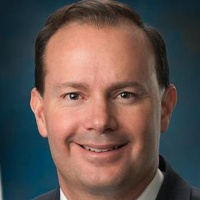
Mike Lee
Senator
UT
Mike Lee
Senator
UT
The Protecting Life in Foreign Assistance Act seeks to codify the "Protecting Life in Global Health Assistance" policy into federal law, preventing future presidential administrations from reversing it. The bill prohibits the use of U.S. federal funds for foreign and domestic nongovernmental organizations that perform, promote, or provide financial support for abortion services. By establishing these permanent restrictions, the legislation aims to ensure that U.S. global health assistance is not used to facilitate abortion-related activities.
This bill ensures that infants born alive after an abortion receive the same medical care as any other newborn, mandates reporting of failures to comply, and establishes penalties for violations, while protecting the mother from prosecution. It also allows the woman who had the abortion to file a civil action against anyone who violated the requirements if a child was born alive.
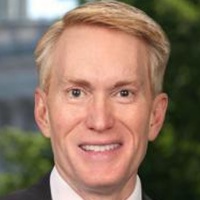
James Lankford
Senator
OK
James Lankford
Senator
OK
The "Born-Alive Abortion Survivors Protection Act" ensures that infants born alive after an abortion receive the same medical care as any other newborn, mandating immediate hospital transport and requiring healthcare practitioners to report any failures to comply. Violators face fines, imprisonment, and potential prosecution for homicide or attempted homicide, while the mother of the child is protected from prosecution. The bill also allows the woman on whom the abortion was performed to file a civil action against anyone who violated the requirements if a child was born alive.
This bill prohibits the use of federal funds for abortion services and health insurance coverage, while mandating increased transparency regarding abortion coverage and premium surcharges under the Affordable Care Act.

Roger Wicker
Senator
MS
Roger Wicker
Senator
MS
The No Taxpayer Funding for Abortion and Abortion Insurance Full Disclosure Act of 2025 prohibits the use of federal funds for abortion services and federally subsidized health insurance plans that include abortion coverage. The bill also mandates increased transparency by requiring health plans to clearly disclose abortion coverage and associated premium surcharges in all marketing and enrollment materials. Exceptions are provided for cases of rape, incest, or to save the life of the mother.
The Student Empowerment Act expands 529 education savings accounts to cover a broader range of K-12 expenses, including curriculum, tutoring, standardized testing, and homeschooling costs.
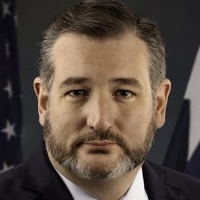
Ted Cruz
Senator
TX
Ted Cruz
Senator
TX
The Student Empowerment Act expands the use of 529 education savings accounts to cover a broader range of K-12 expenses, including curriculum, tutoring, standardized testing, and educational therapies. These expanded benefits apply to students enrolled in public, private, or religious schools, as well as those receiving a homeschool education.
The AMERICANS Act provides remedies, including reinstatement and honorable discharge, for service members discharged or penalized for refusing the COVID-19 vaccine and prohibits future mandates without congressional approval.
Ted Cruz
Senator
TX
Ted Cruz
Senator
TX
The AMERICANS Act of 2025 provides remedies for military service members who faced adverse actions or discharge due to the COVID-19 vaccine mandate. The bill mandates the correction of service records, offers pathways for reinstatement and back pay, and prohibits the Secretary of Defense from issuing future COVID-19 vaccine mandates without explicit congressional approval.
The Safeguard American Voter Eligibility (SAVE) Act requires individuals to provide documentary proof of U.S. citizenship to register to vote in federal elections and mandates that states verify citizenship status to maintain voter rolls.
Mike Lee
Senator
UT
Mike Lee
Senator
UT
The Safeguard American Voter Eligibility (SAVE) Act amends the National Voter Registration Act of 1993 to require individuals to provide documentary proof of U.S. citizenship when registering to vote in federal elections. The bill mandates that states establish procedures to verify citizenship status, remove noncitizens from voter rolls, and share information with federal agencies to ensure election integrity. Additionally, it introduces criminal penalties for registering ineligible individuals and establishes a private right of action against election officials who fail to enforce these citizenship requirements.
This bill extends the statute of limitations to 10 years for criminal and civil prosecutions related to fraudulent activity involving pandemic-era relief programs.
James Lankford
Senator
OK
James Lankford
Senator
OK
The Recover Fraudulent COVID Funds Act extends the statute of limitations for prosecuting pandemic-related fraud to 10 years. This legislation ensures that federal authorities have more time to pursue criminal charges, civil forfeiture actions, and False Claims Act lawsuits against those who misused COVID-19 relief funds.
The Thin Blue Line Act amends federal law to include the killing or targeting of law enforcement officers and first responders as an aggravating factor in death penalty cases.
Ted Cruz
Senator
TX
Ted Cruz
Senator
TX
The Thin Blue Line Act amends federal law to designate the killing or targeting of law enforcement officers and first responders as an aggravating factor in death penalty cases. This legislation ensures that crimes committed against these public servants while performing their official duties can be considered by a jury when determining sentencing.
The Constitutional Concealed Carry Reciprocity Act of 2025 establishes a national standard allowing individuals to carry concealed handguns across state lines, provided they meet their home state's legal requirements.

John Cornyn
Senator
TX
John Cornyn
Senator
TX
The Constitutional Concealed Carry Reciprocity Act of 2025 establishes a national standard allowing individuals to carry concealed handguns across state lines, provided they are legally authorized to carry in their home state. Under this act, visitors must adhere to the host state’s operational laws regarding where and how firearms may be carried. The legislation preserves each state's authority to regulate its own internal permit-issuing processes while ensuring nationwide recognition of valid carry rights.