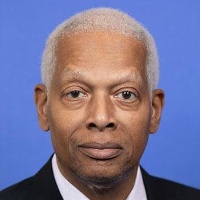
Legislative Activity
Track Hank's sponsored bills, co-sponsored legislation, and voting record
This bill prohibits immigration officers from interfering with federal elections and restricts immigration enforcement operations in the weeks leading up to an election, with limited exceptions.
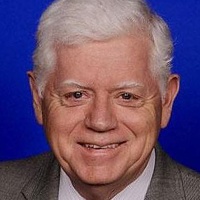
John Larson
Representative
CT
John Larson
Representative
CT
This bill, the Stop ICE Election Militarization Act, prohibits immigration officers from interfering with federal elections, such as intimidating voters or serving as election officials. It also restricts immigration enforcement and removal operations in the four weeks leading up to a federal election, except in cases involving specific criminal probable cause or to prevent imminent harm.
The Southeast Asian Deportation Relief Act of 2026 provides relief from detention and removal, grants work authorization, and establishes a process for reopening cases for certain long-term residents from Cambodia, Laos, and Vietnam.
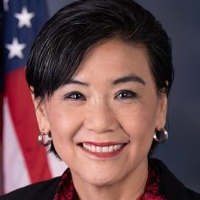
Judy Chu
Representative
CA
Judy Chu
Representative
CA
The Southeast Asian Deportation Relief Act of 2026 provides significant relief for long-term residents from Cambodia, Laos, and Vietnam facing deportation. It prohibits the detention and removal of eligible individuals who entered the U.S. before 2008 and grants them permanent work authorization. Furthermore, the Act establishes a streamlined process for those previously ordered removed to reopen and terminate their immigration cases, effectively vacating past removal orders.
This Act prohibits federal funding for an Executive Order related to glyphosate and removes legal immunities for manufacturers facing civil lawsuits over harm caused by glyphosate or elemental phosphorus exposure.
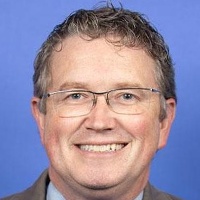
Thomas Massie
Representative
KY
Thomas Massie
Representative
KY
The No Immunity for Glyphosate Act prohibits federal funding for a specific Executive Order concerning phosphorus and glyphosate-based herbicides. This legislation establishes a right for individuals harmed by exposure to these substances to file civil lawsuits against manufacturers and sellers. Crucially, it removes certain legal immunities and defenses that companies might otherwise use to avoid liability for damages caused by these products.
This bill establishes a federal process for Extreme Risk Protection Orders, creates a grant program to incentivize states to adopt similar laws, and mandates the recognition of such orders across state lines.
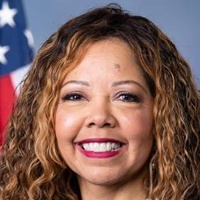
Lucy McBath
Representative
GA
Lucy McBath
Representative
GA
The Federal Extreme Risk Protection Order Act of 2026 establishes a federal process for issuing Extreme Risk Protection Orders (ERPOs) that temporarily prohibit individuals deemed a danger from possessing firearms. The bill allows family members or law enforcement to petition federal courts for temporary or long-term orders based on evidence of imminent risk of harm. Furthermore, it creates a federal grant program to incentivize and support states and tribes in implementing their own qualifying ERPO laws. Finally, it mandates that individuals subject to these federal orders surrender their firearms and ensures these orders are recognized across state lines.
This Act establishes federal best practices and mandates local educational agencies to develop guidance on secure firearm storage and suicide prevention for students and the community.

Dan Goldman
Representative
NY
Dan Goldman
Representative
NY
The Secure Firearm Storage and Suicide Prevention Act of 2026 aims to reduce firearm-related injuries and suicides, particularly among youth. It directs the Secretary of Education to develop national best practices for secure firearm storage and suicide prevention education. Local educational agencies must then create and distribute tailored guidance incorporating these federal standards to students and parents annually.
The **BE HEARD in the Workplace Act** comprehensively overhauls federal workplace protections by strengthening anti-discrimination laws, phasing out the tipped minimum wage, expanding worker rights against silencing agreements, and establishing new federal grant programs for prevention and legal aid.
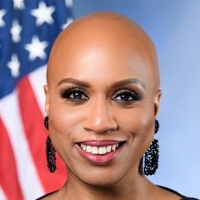
Ayanna Pressley
Representative
MA
Ayanna Pressley
Representative
MA
The **BE HEARD in the Workplace Act** comprehensively reforms workplace protections by mandating new anti-discrimination policies and training, while strengthening federal laws to explicitly protect LGBTQ+ individuals and expand filing deadlines for all workers. The bill also phases out the lower federal minimum wage for tipped employees and restricts employers' use of mandatory arbitration and non-disclosure agreements. Finally, it establishes federal grant programs to fund education, legal assistance, and state-level advocacy systems to combat workplace discrimination.
This bill officially recognizes the cultural and historical significance of Lunar New Year in 2026 and expresses respect for those who celebrate it.
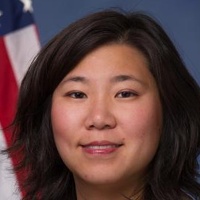
Grace Meng
Representative
NY
Grace Meng
Representative
NY
This bill officially recognizes the cultural and historical significance of Lunar New Year, specifically in 2026, the Year of the Horse. It expresses deep respect for Asian American communities and all who celebrate this important occasion. The resolution concludes by offering wishes for a happy and prosperous new year to all observers.
This act mandates Medicaid coverage for 12 annual mental health telehealth visits for certain individuals under home confinement following incarceration.
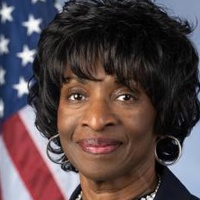
Valerie Foushee
Representative
NC
Valerie Foushee
Representative
NC
The Second Chance Mental Health Access Act of 2026 mandates that Medicaid programs cover up to 12 mental health telehealth visits annually for certain individuals recently released from incarceration and placed under home confinement. This provision aims to improve access to crucial mental health services during the critical transition period following release.
Jaime's Law mandates federal background checks for most private ammunition transfers through licensed dealers to prevent prohibited persons from acquiring ammunition.
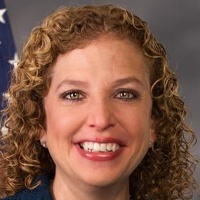
Debbie Wasserman Schultz
Representative
FL
Debbie Wasserman Schultz
Representative
FL
Jaime's Law aims to improve the background check system by requiring licensed dealers to conduct background checks for most private ammunition transfers. This legislation makes it illegal for unlicensed individuals to transfer ammunition unless a licensed dealer first processes the transaction. The Act includes specific exceptions, such as transfers between immediate family members or for law enforcement use.
This resolution supports designating a Career and Technical Education Month to celebrate and promote this vital educational pathway for preparing a skilled American workforce.
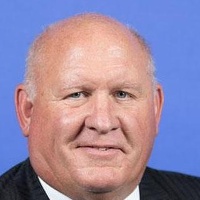
Glenn Thompson
Representative
PA
Glenn Thompson
Representative
PA
This resolution supports the goals of Career and Technical Education (CTE) Month by recognizing CTE's vital role in preparing students for high-demand, high-skill careers. It affirms that CTE is crucial for American economic competitiveness and encourages promotion of these educational pathways. The resolution celebrates the contributions of CTE programs across the nation.
This bill establishes a politically balanced National Council on African American History and Culture within the National Endowment for the Humanities to advise on policy, monitor preservation efforts, and report on the celebration of African American history and culture.
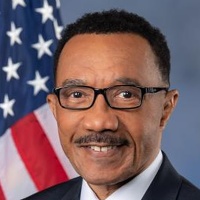
Kweisi Mfume
Representative
MD
Kweisi Mfume
Representative
MD
This bill establishes the National Council on African American History and Culture within the National Endowment for the Humanities. The Council will consist of 12 presidentially appointed members tasked with advising on national policy related to preserving and celebrating African American history and culture. Its duties include monitoring relevant efforts, evaluating NEH programs, and submitting annual reports. The Council is set to terminate ten years after the law's enactment.
This bill mandates the Secretary of State to certify and report on policies ensuring children in Gaza receive three nutritious meals daily and other civilians receive two, while also detailing oversight and reporting on food distribution.
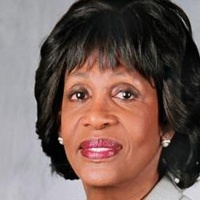
Maxine Waters
Representative
CA
Maxine Waters
Representative
CA
This Act mandates the U.S. Secretary of State to ensure and report on sufficient food assistance for all civilians in Gaza. It requires certification within 30 days that policies are in place to guarantee children receive three nutritious meals daily and other civilians receive two. The Secretary must also submit detailed oversight procedures and publicly report on food distribution efforts, including prompt notification to Congress of any aid interference.
This Act repeals major U.S. sanctions against Cuba, normalizing trade, travel, and telecommunications while establishing a framework for property claims and human rights negotiations.
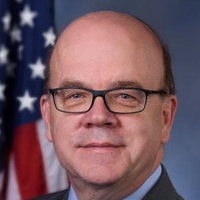
James McGovern
Representative
MA
James McGovern
Representative
MA
The United States-Cuba Trade Act of 2026 comprehensively repeals major U.S. sanctions laws against Cuba, effectively normalizing trade relations. This legislation removes restrictions on travel, exports, and financial remittances between the two nations. It also establishes a framework for the President to negotiate property claims and human rights protections with the Cuban government. The Act aims to promote democratic change in Cuba through the extension of nondiscriminatory trade treatment.
The Healthy Families Act establishes a national standard requiring most employers to provide employees with earned paid sick leave for personal or family health needs and related safety issues.
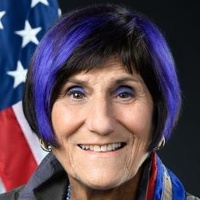
Rosa DeLauro
Representative
CT
Rosa DeLauro
Representative
CT
The Healthy Families Act establishes a national standard requiring most employers to provide employees with earned paid sick leave. Employees will accrue a minimum of one hour of paid time for every 30 hours worked, usable for personal or family health needs, domestic violence, sexual assault, or stalking. The Act prohibits employer retaliation for using this leave and ensures existing, more generous leave policies are not diminished.
This bill appropriates funding and establishes operational rules for the Department of Homeland Security for Fiscal Year 2026 across management, security, preparedness, and research functions, while imposing strict oversight and spending restrictions.
Rosa DeLauro
Representative
CT
Rosa DeLauro
Representative
CT
This bill provides the funding and establishes the operational rules for the Department of Homeland Security (DHS) for Fiscal Year 2026 across all major components, including intelligence, security operations, emergency management, and research. It allocates billions for agencies like TSA, Coast Guard, FEMA, and CISA while imposing strict new requirements for congressional oversight, spending transparency, and management of federal grants. The legislation also includes specific policy directives, such as mandating security screening for senior officials and restricting certain intelligence and contracting activities.
This bill establishes a comprehensive Transgender Bill of Rights to codify and protect the rights of transgender and nonbinary people across healthcare, employment, legal recognition, and safety.
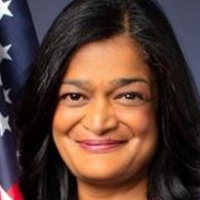
Pramila Jayapal
Representative
WA
Pramila Jayapal
Representative
WA
This resolution establishes a comprehensive Transgender Bill of Rights to codify and protect the rights of transgender and nonbinary people across the United States. It mandates federal action to ensure equal access to healthcare, employment, housing, legal recognition, and safety. The bill aims to eliminate discrimination and affirm bodily autonomy by amending existing federal civil rights laws.
This act brings firearms under the regulatory authority of the Consumer Product Safety Commission by removing their exclusion from the definition of a "consumer product."
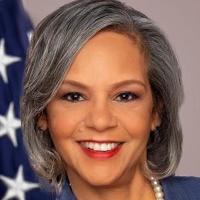
Robin Kelly
Representative
IL
Robin Kelly
Representative
IL
The Firearm Safety Act of 2025 removes the existing exclusion for firearms under the Consumer Product Safety Act. This action subjects firearms to regulation by the Consumer Product Safety Commission (CPSC) as consumer products.
This act directs the Federal Trade Commission to study and regulate unfair or deceptive advertising and marketing practices for firearms, including those targeting minors or promoting illegal use.
Robin Kelly
Representative
IL
Robin Kelly
Representative
IL
The Responsible Firearms Marketing Act directs the Federal Trade Commission (FTC) to study and regulate unfair or deceptive advertising and marketing practices related to firearms. This includes examining advertising that targets minors, encourages illegal use, or involves semiautomatic assault weapons. The FTC must issue regulations prohibiting these practices and enforce them using existing authority under the Federal Trade Commission Act.
This resolution calls for the annulment of the Monroe Doctrine and the establishment of a "New Good Neighbor" policy to foster improved, cooperative relations between the U.S. and its Latin American and Caribbean neighbors.
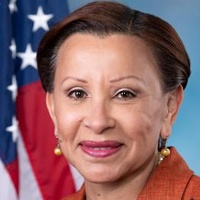
Nydia Velázquez
Representative
NY
Nydia Velázquez
Representative
NY
This resolution calls for the formal annulment of the historical Monroe Doctrine, citing decades of U.S. interventionism in Latin America and the Caribbean. It proposes replacing this doctrine with a "New Good Neighbor" policy focused on fostering genuine partnership and cooperation. Key elements include ending unilateral sanctions, reforming international financial institutions, and respecting regional sovereignty.
This resolution recognizes January 2026 as National Mentoring Month to honor mentors and promote quality mentoring programs for America's youth.
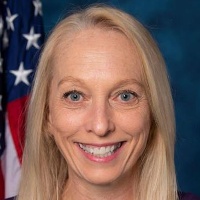
Mary Scanlon
Representative
PA
Mary Scanlon
Representative
PA
This resolution officially recognizes January 2026 as National Mentoring Month to honor the dedicated staff and volunteers in mentoring programs. It highlights the significant benefits of mentoring, such as boosting educational achievement and reducing juvenile delinquency. The bill encourages the growth of quality mentoring programs nationwide to ensure more young people have supportive adult connections.