Legislative Activity
Track Pablo's sponsored bills, co-sponsored legislation, and voting record
This bill prohibits executive branch personnel from using physical force or detention against a Member of Congress conducting official oversight activities on federally controlled property, provided the Member is not posing an immediate physical danger.

Summer Lee
Representative
PA
Summer Lee
Representative
PA
The Congressional Oversight Access Act prohibits federal employees from using physical force or detaining a Member of Congress who is conducting official oversight activities on federally controlled property. This protection applies when the Member identifies themselves and is not posing a clear and immediate physical danger. The Act ensures Congress can monitor federal operations while still respecting necessary security screenings.
This bill establishes a grant program to help high-need school districts hire, retain, and diversify mental health professionals to expand student access to services.
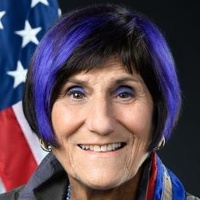
Rosa DeLauro
Representative
CT
Rosa DeLauro
Representative
CT
The Expanding Access to Mental Health Services in Schools Act of 2025 establishes a new federal grant program to increase the number of mental health professionals in high-need school districts. This funding is specifically designed to help eligible agencies recruit, hire, and retain school counselors, psychologists, and social workers. Grantees must demonstrate a plan to improve student-to-provider ratios and report annually on staffing improvements and provider retention.
The CONNECT for Health Act of 2025 permanently expands Medicare telehealth access by removing geographic restrictions, increasing practitioner flexibility, bolstering program integrity, and mandating supports for quality remote care delivery.
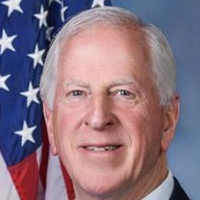
Mike Thompson
Representative
CA
Mike Thompson
Representative
CA
The CONNECT for Health Act of 2025 significantly expands and permanently secures access to Medicare telehealth services by eliminating outdated geographic restrictions and allowing more practitioners to offer remote care. The bill also strengthens program integrity by dedicating funds for telehealth oversight while clarifying rules around providing necessary technology to patients. Finally, it mandates the creation of tailored educational resources and public reporting to improve quality measurement and transparency in remote care delivery.
This resolution officially recognizes and celebrates the history, contributions, and ongoing importance of Caribbean Americans to the United States.

André Carson
Representative
IN
André Carson
Representative
IN
This resolution formally recognizes and celebrates the history, culture, and significant contributions of Caribbean Americans to the United States. It highlights the deep roots and ongoing influence of the Caribbean diaspora across all sectors of American life. The bill encourages the nation to observe National Caribbean American Heritage Month and affirms that this diversity enriches the country.
This Act mandates that federal officers involved in border security or immigration enforcement must clearly display identification, wear visible uniforms or badges, and not conceal their faces during detentions or arrests.

Dan Goldman
Representative
NY
Dan Goldman
Representative
NY
The No Secret Police Act of 2025 mandates that federal officers engaged in border security or immigration enforcement must clearly display identification, wear visible badges or uniforms, and refrain from wearing face coverings during detentions or arrests. This ensures accountability by requiring clear identification from Department of Homeland Security (DHS) personnel. The bill also requires the Secretary of Homeland Security to report on current tactical gear policies and research methods to improve officer visibility.
This Act establishes pilot and education grant programs to combat technological abuse against victims of domestic violence, dating violence, sexual assault, and stalking by funding partnerships between tech experts and victim service providers.

Debbie Dingell
Representative
MI
Debbie Dingell
Representative
MI
The Tech Safety for Victims of Domestic Violence, Dating Violence, Sexual Assault, and Stalking Act addresses the growing problem of technological abuse against survivors. This bill establishes a temporary pilot program to fund partnerships between tech experts and victim service providers to combat digital abuse. Additionally, it creates a separate grant program to develop and provide educational resources and training on technological abuse for support organizations.
The PHARA Act of 2025 mandates the immediate release of existing NIH grant funding, requires termination clauses in future agreements, and prohibits the NIH from ending funding solely due to shifting agency priorities.
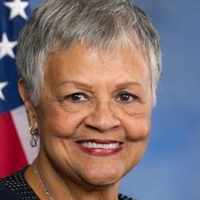
Bonnie Watson Coleman
Representative
NJ
Bonnie Watson Coleman
Representative
NJ
The PHARA Act of 2025 mandates the immediate release of all existing National Institutes of Health (NIH) grant funding and prohibits the cancellation of active research agreements. Moving forward, all new NIH grant agreements must include specific termination clauses requiring a 90-day notice and good-faith negotiation before ending the funding. Furthermore, this Act explicitly prevents the NIH from terminating agreements solely because the research no longer aligns with current agency goals or priorities.
This resolution commemorates the nine-year anniversary of the Pulse nightclub shooting, honoring the victims, first responders, and the community's resilience while urging continued action on gun safety.
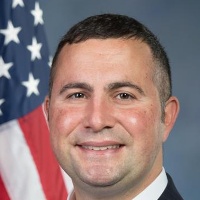
Darren Soto
Representative
FL
Darren Soto
Representative
FL
This resolution formally commemorates the ninth anniversary of the tragic Pulse nightclub shooting in Orlando, Florida, on June 12, 2016. It honors the lives lost, recognizes the bravery of first responders, and reaffirms community unity in the face of hate. Furthermore, the resolution calls for continued efforts to reduce gun violence and support those affected by this act of terrorism.
This bill directs HUD and the Census Bureau to study and report on how federal agencies identify and record various forms of housing loss across the United States.
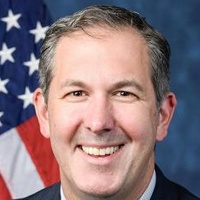
Johnny Olszewski
Representative
MD
Johnny Olszewski
Representative
MD
This bill directs the Secretary of Housing and Urban Development and the Director of the Census Bureau to conduct a comprehensive study on how federal agencies currently identify and record various forms of housing loss in the United States. The resulting report must define different types of housing loss, identify current data collection methods, and recommend improvements for federal tracking. The goal is to enhance the government's ability to accurately count and understand involuntary displacement since 2022.
This act increases funding for the Defense Health Agency's research, development, testing, and evaluation, specifically ensuring support for Congressionally Directed Medical Research Programs as outlined in prior appropriations acts.
André Carson
Representative
IN
André Carson
Representative
IN
The Medical Research for Our Troops Act increases the budget for the Defense Health Agency's research, development, testing, and evaluation (RDT&E). This legislation specifically restores and increases funding for these critical defense health programs. The restored funds must be used to support all previously directed medical research programs and initiatives as outlined in prior appropriations acts.
The Pride In Mental Health Act of 2025 establishes grants and federal initiatives to improve mental health services and research specifically for LGBTQ+ youth while explicitly prohibiting the use of funds for conversion therapy.
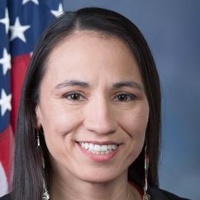
Sharice Davids
Representative
KS
Sharice Davids
Representative
KS
The Pride In Mental Health Act of 2025 establishes a new grant program to improve mental health and substance abuse outcomes for LGBTQ+ youth through culturally competent care and resource development. These grants strictly prohibit funding for conversion therapy practices. The bill also mandates federal data collection on LGBTQ+ youth mental health and requires a report on the needs of those in foster care.
This Act posthumously awards the Congressional Gold Medal to the late Representative Charles B. Rangel to honor his distinguished military service and decades of legislative accomplishments benefiting veterans, low-income families, and international relations.
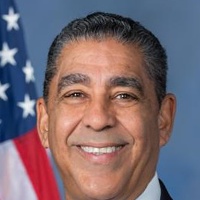
Adriano Espaillat
Representative
NY
Adriano Espaillat
Representative
NY
This bill, the Charles B. Rangel Congressional Gold Medal Act, posthumously awards the Congressional Gold Medal to the late Representative Charles B. Rangel. It recognizes his distinguished military service and decades of legislative achievement in Congress, particularly concerning tax reform, veterans' affairs, and international trade. The Secretary of the Treasury is directed to strike the medal, which will ultimately be presented to his children. The Act also authorizes the sale of bronze duplicates to cover production costs.
This bill mandates a comprehensive economic study to quantify the financial costs of extreme heat across health, property, labor, and infrastructure sectors.
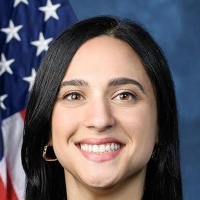
Yassamin Ansari
Representative
AZ
Yassamin Ansari
Representative
AZ
The Extreme Heat Economic Study Act of 2025 mandates a comprehensive study, led by NOAA, to quantify the full financial costs of extreme heat events in the United States. This study must analyze impacts across health, property damage, labor productivity, and critical infrastructure like energy and agriculture. The final report will recommend a national system for tracking and publicly reporting these economic losses within four years of enactment.
This act mandates that FHA loan disclosures include comparable VA loan information and requires lenders to ask about military service on standard loan applications.
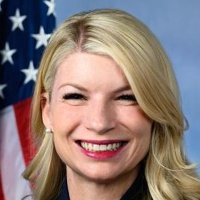
Brittany Pettersen
Representative
CO
Brittany Pettersen
Representative
CO
The VA Loan Informed Disclosure Act of 2025 (VALID Act) aims to increase awareness of VA loan options among homebuyers. It requires lenders to include comparative information about potential VA loan terms on standard FHA disclosure forms. Furthermore, the Act mandates that the Uniform Residential Loan Application include a prominent question regarding the applicant's military service.
This resolution expresses strong support for designating May 2025 as Mental Health Awareness Month to highlight the national mental health crisis and encourage greater action and access to care.
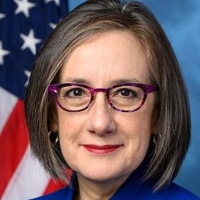
Andrea Salinas
Representative
OR
Andrea Salinas
Representative
OR
This resolution expresses strong support for designating May 2025 as Mental Health Awareness Month to combat a growing national crisis. It highlights alarming statistics regarding rising mental illness rates, significant barriers to accessing care, and disproportionate impacts on youth and marginalized communities. Ultimately, the bill declares mental health a national priority and encourages increased public awareness and support for mental health services.
The Fit to Serve Act prohibits discrimination against service members and recruits in the Armed Forces based on their gender identity.
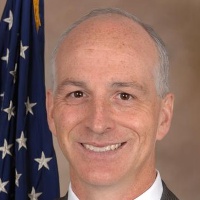
Adam Smith
Representative
WA
Adam Smith
Representative
WA
The Fit to Serve Act prohibits the U.S. Armed Forces from discriminating against service members based on their gender identity. This means military branches cannot set different standards, involuntarily discharge personnel, or deny medically necessary healthcare due to a service member's gender identity. The bill ensures equal opportunity for joining, serving, and receiving care regardless of one's internal sense of self.
This Act reinstates and extends the ability for taxpayers to deduct personal casualty losses from unexpected events like crimes, scams, and disasters without previous limitations.
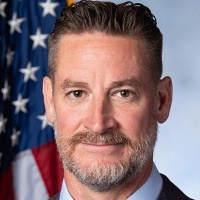
W. Steube
Representative
FL
W. Steube
Representative
FL
The Tax Relief for Victims of Crimes, Scams, and Disasters Act reinstates and removes limitations on the federal income tax deduction for personal casualty losses resulting from unexpected events like fires or floods. This legislation also extends the deadline for taxpayers to file claims for refunds related to these casualty loss deductions for past tax years. These changes apply to tax years beginning after December 31, 2017.
This Act amends budget control laws to reinforce Congress's exclusive power of the purse, clarify when funds can be withheld, and establish legal remedies, including private lawsuits, for improper impoundments.
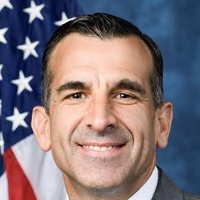
Sam Liccardo
Representative
CA
Sam Liccardo
Representative
CA
The Protecting Our Constitution and Communities Act aims to reassert Congress's exclusive constitutional authority over federal spending by clarifying that the President cannot unilaterally withhold appropriated funds. It strengthens the Comptroller General's oversight role and establishes new legal avenues for private citizens and governments to sue for damages if funds are improperly impounded. Furthermore, the bill tightens the definition of budgetary "contingencies" and ensures that judicial review of these spending disputes remains robust.
The AGRITOURISM Act establishes a new Office of Agritourism within the USDA to promote and support farm-based tourism for rural economic growth.
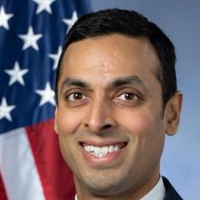
Suhas Subramanyam
Representative
VA
Suhas Subramanyam
Representative
VA
The AGRITOURISM Act establishes a new Office of Agritourism within the Department of Agriculture, led by a dedicated Director. This office is tasked with promoting and supporting farm-based tourism activities across the nation. The goal is to boost rural economies by helping agricultural businesses diversify through educational, recreational, and direct-sale opportunities.
This bill prohibits the use of federal funds to implement Executive Order 14160, which sought to limit birthright citizenship guaranteed by the Fourteenth Amendment.
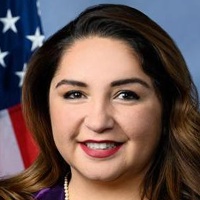
Delia Ramirez
Representative
IL
Delia Ramirez
Representative
IL
The Born in the USA Act of 2025 declares that Executive Order 14160, which attempted to restrict birthright citizenship, is unconstitutional and contrary to the 14th Amendment. This Act prohibits the use of any federal funds to implement or enforce that Executive Order. It affirms the established constitutional right to birthright citizenship for nearly everyone born on U.S. soil.