Legislative Activity
Track Pat's sponsored bills, co-sponsored legislation, and voting record
The SECURE Minerals Act of 2026 establishes a government corporation to build and manage a national stockpile of critical minerals, aiming to secure U.S. supply chains and reduce foreign dependence.

Robert Wittman
Representative
VA
Robert Wittman
Representative
VA
The SECURE Minerals Act of 2026 establishes the Strategic Resilience Reserve Corporation to secure U.S. supply chains for critical minerals. This new entity will manage a national stockpile, finance domestic and allied production, and reduce reliance on foreign adversaries. The Act mandates supply chain targets, rigorous oversight, and public transparency for all operations.
This bill establishes that food is considered misbranded if its actual nutrient content exceeds the labeled value by more than 5 percent and mandates corresponding regulatory updates.
W. Steube
Representative
FL
W. Steube
Representative
FL
The Ensuring Consistency in Nutrition Labels Act establishes stricter standards for food labeling accuracy. It deems a food product "misbranded" if its actual nutrient content exceeds the labeled value by more than 5 percent for certain required nutrients. This legislation mandates the Secretary of Health and Human Services to update relevant regulations within 60 days of enactment.
This act mandates an annual joint hearing where the Comptroller General presents an objective analysis of the federal government's financial audit findings to the Budget Committees.
Garland Barr
Representative
KY
Garland Barr
Representative
KY
The Fiscal State of the Nation Act mandates an annual joint hearing where the Comptroller General presents the findings of the federal government's financial audit to the Budget Committees. This presentation must objectively analyze the nation's financial position and sustainability measures based on the Treasury Secretary's report. The hearing ensures public review of the government's fiscal health, open to all members of Congress.
This bill modifies deposits into the Crime Victims Fund by excluding certain False Claims Act recoveries and mandates an Inspector General audit of the Fund's sustainability.
Ann Wagner
Representative
MO
Ann Wagner
Representative
MO
This bill amends the Victims of Crime Act of 1984 to temporarily exclude certain False Claims Act recoveries from being deposited into the Crime Victims Fund through fiscal year 2029. It also mandates a comprehensive audit by the Department of Justice Inspector General on the Fund's sustainability and the impact of recent legislative changes. The resulting report will provide recommendations for improving the Fund's effectiveness and oversight.
This bill officially designates January 9, 2026, as "National Law Enforcement Appreciation Day" while also establishing National Police Week and National Peace Officers Memorial Day to honor law enforcement officers.
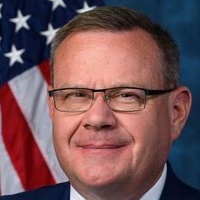
Tim Moore
Representative
NC
Tim Moore
Representative
NC
This bill officially designates January 9, 2026, as "National Law Enforcement Appreciation Day" to honor the service and sacrifice of law enforcement officers nationwide. It also establishes National Police Week and National Peace Officers Memorial Day (May 15th) to commemorate officers who have died in the line of duty. The legislation encourages the President to issue annual proclamations recognizing these days and calls for flags to be flown at half-staff on Memorial Day.
This act reforms the requirements and procedures for determining and maintaining duty status.
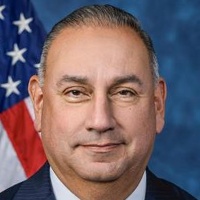
Gilbert Cisneros
Representative
CA
Gilbert Cisneros
Representative
CA
The Duty Status Reform Act aims to modernize and streamline the process for determining and managing duty status for federal employees. This legislation seeks to clarify existing regulations and ensure fair and consistent application of duty status rules across government agencies.
This bill mandates that all Title X-funded family planning projects comply with state and local laws regarding the reporting of sexual abuse, child abuse, and human trafficking as a condition of federal funding.
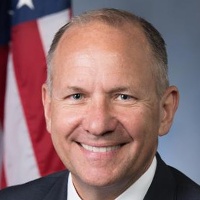
Lloyd Smucker
Representative
PA
Lloyd Smucker
Representative
PA
The Reporting Accountability and Abuse Prevention Act of 2026 mandates that all recipients of federal Title X family planning funds must strictly comply with state and local laws regarding the reporting of various forms of abuse, including child abuse and sexual assault. This compliance requires grantees to implement specific policies, conduct annual training, and establish protocols for patient safety and intervention. Failure to adhere to these requirements will result in penalties, including the repayment of federal funds and a multi-year ban on receiving future Title X assistance for repeat violations.
This act removes Section 4024(c) from the CARES Act to clarify the enforcement of state housing laws.
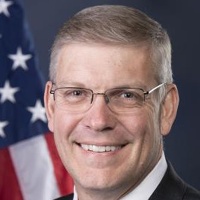
Barry Loudermilk
Representative
GA
Barry Loudermilk
Representative
GA
The Respect State Housing Laws Act aims to clarify federal housing regulations by amending the CARES Act. Specifically, this legislation removes Section 4024(c) from the CARES Act.
The Essential Caregivers Act of 2025 guarantees nursing home and long-term care residents the right to designate an essential caregiver who maintains access to them even during public health emergencies.

Claudia Tenney
Representative
NY
Claudia Tenney
Representative
NY
The Essential Caregivers Act of 2025 protects the rights of residents in long-term care facilities to designate an essential caregiver who can provide support and companionship. This legislation ensures that these caregivers maintain in-person access to residents even during public health emergencies when general visitation is restricted. By establishing clear protocols and an appeals process, the bill aims to prevent the harmful effects of isolation and ensure residents continue to receive vital care and advocacy.
The MERICA Act of 2025 amends the Mineral Leasing Act for Acquired Lands to extend its leasing authority to include hardrock minerals such as base and precious metals.
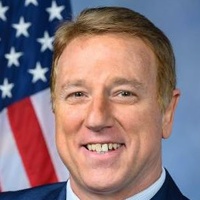
Patrick Fallon
Representative
TX
Patrick Fallon
Representative
TX
The MERICA Act of 2025 seeks to update the Mineral Leasing Act for Acquired Lands by extending its leasing authority to cover hardrock minerals. This bill specifically defines hardrock minerals to include base metals, precious metals, and gemstones, while excluding resources like coal, oil, and gas. This change expands the federal leasing framework for certain hardrock mineral deposits on acquired lands.
This bill authorizes Congress to award Congressional Gold Medals to the 1980 U.S. Men's Olympic Ice Hockey team for their historic "Miracle on Ice" victory.
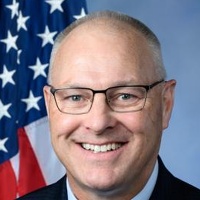
Pete Stauber
Representative
MN
Pete Stauber
Representative
MN
This bill, the Miracle on Ice Congressional Gold Medal Act, officially authorizes Congress to award Congressional Gold Medals to the 1980 U.S. Men's Olympic Ice Hockey Team for their historic "Miracle on Ice" victory. The medals will be struck by the Treasury and permanently displayed at specific national sports museums. The Act also permits the sale of duplicate bronze medals to cover production costs.
The FAIR Vets Act increases the dollar thresholds for sole-source federal contracts awarded to service-disabled veteran-owned small businesses.
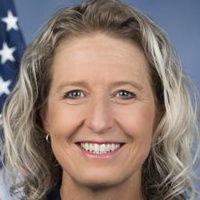
Jennifer Kiggans
Representative
VA
Jennifer Kiggans
Representative
VA
The FAIR Vets Act modernizes federal contracting by significantly increasing the dollar thresholds for sole-source contracts awarded to service-disabled veteran-owned small businesses. This change raises the maximum contract value for both manufacturing and non-manufacturing sectors. The goal is to improve access to federal contracts for these veteran-owned businesses.
The DISPOSAL Act mandates the sale or lease of six specific federal buildings in Washington, D.C., exempting these transactions from certain federal regulations while prohibiting foreign ownership.
W. Steube
Representative
FL
W. Steube
Representative
FL
The DISPOSAL Act mandates the sale or long-term lease of six specific, underutilized federal buildings in Washington, D.C., granting the Administrator of General Services broad discretion over the transactions. This process is largely exempt from standard environmental and historic preservation reviews, with a strict prohibition on foreign ownership. Net proceeds from these disposals will fund relocation costs before being deposited into the Treasury to reduce the deficit.
This bill expands the definition of "energy communities" eligible for increased renewable energy tax credit rates to include non-metropolitan statistical areas.
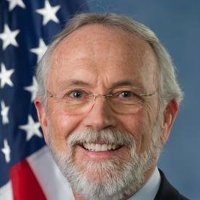
Dan Newhouse
Representative
WA
Dan Newhouse
Representative
WA
This bill expands the definition of an "energy community" to qualify for increased tax credit rates for renewable electricity production and clean electricity investment. Specifically, it broadens eligibility to include non-metropolitan statistical areas. This change aims to encourage clean energy development in a wider range of geographic locations.
This bill establishes a federal crime and civil cause of action against anyone who knowingly administers an abortion-inducing drug to a woman without her informed consent.
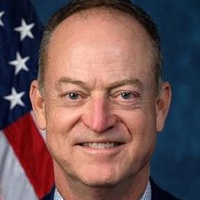
Mark Messmer
Representative
IN
Mark Messmer
Representative
IN
The Forced Abortion Prevention and Accountability Act establishes a new federal crime prohibiting the knowing and intentional administration of abortion-inducing drugs to a pregnant woman without her informed consent. This legislation creates severe criminal penalties, including up to 25 years in prison, for those who violate this prohibition or attempt to do so. Furthermore, it grants victims the right to file a civil lawsuit to recover damages for physical and psychological injuries resulting from forced abortions.
This bill repeals the Human Rights Sanctuary Amendment Act of 2022, restoring previous laws.
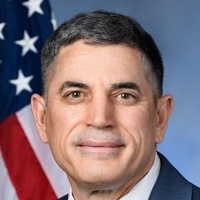
Andrew Clyde
Representative
GA
Andrew Clyde
Representative
GA
This bill, the D.C. Shield Law Repeal Act, seeks to repeal the Human Rights Sanctuary Amendment Act of 2022. By doing so, it will restore the laws and regulations that were in effect prior to the 2022 Act.
This act prohibits state and local governments from enacting regulations that restrict energy service based on the type or source of energy sold in interstate commerce.
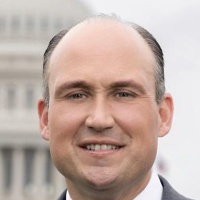
Nicholas Langworthy
Representative
NY
Nicholas Langworthy
Representative
NY
The Energy Choice Act places federal restrictions on state and local governments, preventing them from enacting regulations that prohibit or limit energy service based on its type or source. This means local governments cannot ban or restrict access to energy services sold in interstate commerce. The legislation aims to ensure consistent access to various energy sources across jurisdictions.
This bill extends probationary and trial periods for most new federal employees to two years (one year for veterans) and modifies the requirements for adverse employment actions based on service length.
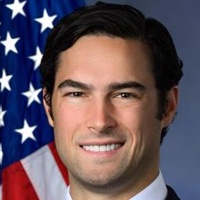
Brandon Gill
Representative
TX
Brandon Gill
Representative
TX
The Ensuring a Qualified Civil Service Act of 2025 (EQUALS Act) significantly extends probationary periods for new federal employees in the competitive and excepted services to two years (one year for veterans). This legislation also establishes new agency certification requirements before appointments become final and extends the service time needed before non-veteran employees can face certain adverse performance actions. The Act mandates that the Office of Personnel Management issue implementing regulations within 180 days of enactment.
The Mikaela Naylon Give Kids a Chance Act primarily focuses on enhancing pediatric drug research, ensuring completion of pediatric study requirements, extending incentives for rare pediatric disease treatments, and making targeted updates to FDA and organ transplant network operations.
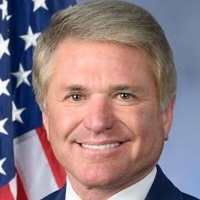
Michael McCaul
Representative
TX
Michael McCaul
Representative
TX
The Mikaela Naylon Give Kids a Chance Act focuses primarily on improving pediatric drug development and ensuring patient access to necessary treatments. This legislation mandates new research requirements for molecularly targeted pediatric cancer drugs, strengthens FDA enforcement of pediatric study completion, and extends incentives for developing drugs for rare pediatric diseases. Additionally, the bill updates organ transplant network functions and establishes an Abraham Accords Office within the FDA to enhance international regulatory cooperation.
This bill establishes a U.S. policy to advocate for Taiwan's membership or observer status in Interpol and requires the State Department to develop a strategy to achieve this goal.
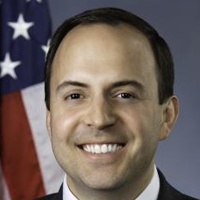
Lance Gooden
Representative
TX
Lance Gooden
Representative
TX
This Act establishes a clear U.S. policy to advocate for Taiwan's full participation and membership in the International Criminal Police Organization (Interpol). It directs the Secretary of State to develop a comprehensive strategy to secure Taiwan's inclusion and involvement in Interpol's activities. Furthermore, the bill mandates reports to Congress detailing the strategy and assessing the threats Taiwan faces due to its current exclusion from global crime-fighting networks.