
Legislative Activity
Track Mazie's sponsored bills, co-sponsored legislation, and voting record
This act grants most Department of Veterans Affairs employees the right to have a representative present during certain examinations that could lead to disciplinary action.
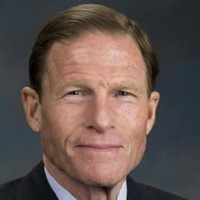
Richard Blumenthal
Senator
CT
Richard Blumenthal
Senator
CT
This bill establishes the Right to Representation for Department of Veterans Affairs Workers Act of 2025. It grants most VA employees the right to have a representative present during certain examinations if they believe the exam could lead to disciplinary action. This representation can occur during paid duty time upon the employee's request.
This resolution recognizes National Native American Heritage Month and celebrates the rich cultures, history, and enduring contributions of Native Americans to the United States.

Lisa Murkowski
Senator
AK
Lisa Murkowski
Senator
AK
This resolution officially recognizes November as National Native American Heritage Month. It celebrates the rich cultures, histories, and significant contributions of Native Americans to the United States across various fields. The resolution also reaffirms the government's commitment to tribal self-governance and the government-to-government relationship with Indian Tribes.
This act repeals a specific provision from a 2026 appropriations act to reinstate a 2005 law regarding the Legislative Branch.
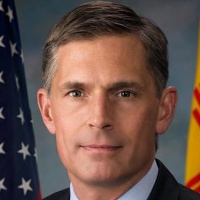
Martin Heinrich
Senator
NM
Martin Heinrich
Senator
NM
The Anti-Cash Grab Act repeals a specific provision (Section 213 of division C of the Continuing Appropriations Act, 2026). This repeal effectively restores a previous law, Section 10 of the Legislative Branch Appropriations Act, 2005. The legislation is designed to take effect retroactively as if the repealed section had never been enacted.
This Act amends the Federal Tort Claims Act to prohibit claims brought by the President or an individual who becomes President while the claim is pending.
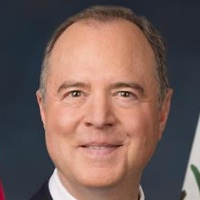
Adam Schiff
Senator
CA
Adam Schiff
Senator
CA
The "No Torts for Trump Act" amends the Federal Tort Claims Act to prohibit lawsuits against the federal government brought by the sitting President or any individual who subsequently becomes President. This new exception bars such claims from being heard in federal court, regardless of when the underlying incident occurred.
This bill amends the Revised Statutes to allow civil actions against individuals acting under the authority of the United States or any state.

Sheldon Whitehouse
Senator
RI
Sheldon Whitehouse
Senator
RI
The Bivens Act of 2025 amends existing federal law to clarify the scope of civil actions that can be brought against individuals acting under federal authority. This legislation specifically modifies Section 1979 of the Revised Statutes to ensure its application extends to actions taken by federal agents.
This bill mandates the Department of Homeland Security to identify and record the military service of any alien applying for immigration benefits or facing enforcement proceedings.

Tammy Duckworth
Senator
IL
Tammy Duckworth
Senator
IL
The Immigrant Veterans Eligibility Tracking System (IVETS) Act mandates that the Department of Homeland Security identify and record the military service of any alien applying for an immigration benefit or facing enforcement proceedings. This ensures that records clearly reflect military service, though this information cannot be used by the government for removal purposes. The goal is to better track the immigration outcomes for veterans and service members.
This bill, the Restoring Access for Detainees Act, mandates the provision of free telephone, email, and video communication services for individuals in ICE custody to ensure access to legal counsel and family contact.

Christopher Murphy
Senator
CT
Christopher Murphy
Senator
CT
This bill, the Restoring Access for Detainees Act, mandates that U.S. Immigration and Customs Enforcement (ICE) provide detained individuals with free, limited telephone and electronic communication services. It aims to ensure detainees can consult with legal counsel and maintain essential family ties at no cost. The legislation specifies minimum free calling minutes, required access for legal consultation, and prohibits monitoring of confidential communications with attorneys.
The SAFE Act prohibits Executive agencies from conducting or initiating any reduction in force during a government shutdown.

Mark Warner
Senator
VA
Mark Warner
Senator
VA
The Securing Assurance for Federal Employees Act (SAFE Act) prohibits Executive agencies from initiating or carrying out any reduction in force (RIF) during a government shutdown caused by a lapse in funding. Any RIF action taken during such a period will be considered legally void. This provision is designed to protect federal employees from job loss during funding crises.
This act grants the Secretary of Homeland Security the discretionary authority to parole certain previously removed veterans into the U.S. specifically to receive VA healthcare.
Tammy Duckworth
Senator
IL
Tammy Duckworth
Senator
IL
The Healthcare Opportunities for Patriots in Exile (HOPE) Act grants the Secretary of Homeland Security the discretionary authority to parole certain veterans currently outside the U.S. into the country. This parole is specifically for the purpose of allowing them to receive necessary healthcare from the Department of Veterans Affairs. Eligibility is restricted for those inadmissible due to serious violent or national security-related criminal convictions.
This Act establishes a program for eligible noncitizen veterans removed or facing removal to adjust their status to lawful permanent residents, protects current veterans and service members from removal except for certain crimes, and streamlines their path to naturalization and benefits.
Tammy Duckworth
Senator
IL
Tammy Duckworth
Senator
IL
The Veterans Visa and Protection Act of 2025 establishes a pathway to permanent residency and citizenship for noncitizen veterans and service members removed or facing removal from the U.S. It protects eligible veterans and service members from deportation unless convicted of a crime of violence. Furthermore, the Act ensures that eligible veterans who adjust their status gain full access to military and veterans benefits.
This resolution designates the week of November 3 through November 7, 2025, as National Veterans Small Business Week to recognize the contributions of veteran-owned businesses.

Joni Ernst
Senator
IA
Joni Ernst
Senator
IA
This resolution officially designates the week of November 3 through November 7, 2025, as National Veterans Small Business Week. It recognizes the significant contributions of the over 1.65 million veteran-owned small businesses to the U.S. economy. The bill supports creating a business-friendly environment and expresses appreciation for veterans' continued service through entrepreneurship.
This Senate resolution urges the Department of Agriculture to immediately use its contingency funds to finance the Supplemental Nutrition Assistance Program (SNAP) through November.

Jeff Merkley
Senator
OR
Jeff Merkley
Senator
OR
This Senate resolution urges the Department of Agriculture to immediately use its contingency funds and interchange authority to ensure the Supplemental Nutrition Assistance Program (SNAP) is fully financed. The Senate asserts the administration has a legal obligation to use these existing resources to support millions of vulnerable Americans through November. This measure expresses a position and does not enact new law.
This bill provides continuing appropriations for the pay and allowances of Armed Forces members and certain intelligence community civilian employees for Fiscal Year 2026 if regular appropriations are not enacted.
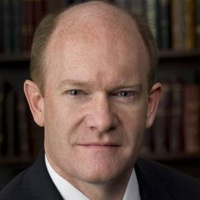
Christopher Coons
Senator
DE
Christopher Coons
Senator
DE
The Armed Forces Pay Act of 2025 ensures continued funding for the pay and allowances of members of the Armed Forces and certain civilian intelligence employees through fiscal year 2026, should full appropriations bills not be enacted. This temporary measure provides necessary financial continuity until regular appropriations legislation is passed or until September 30, 2026. The Act also authorizes intelligence-related funds for FY 2026 until the relevant Intelligence Authorization Act is signed into law.
This bill suspends federal student loan payments, stops interest accrual, and counts payments toward forgiveness for federal employees affected by a government shutdown lasting at least 14 days.

Angela Alsobrooks
Senator
MD
Angela Alsobrooks
Senator
MD
The Shutdown Student Loans for Feds Act provides relief for federal employees and certain contractors affected by government shutdowns lasting 14 days or more, starting in fiscal year 2026. During these lapses in appropriations, federal student loan payments must be suspended, and no interest will accrue on those loans. Furthermore, suspended payment periods will count toward loan forgiveness requirements and be reported positively to credit agencies.
This resolution commemorates the seventh anniversary of Jamal Khashoggi's murder while calling on Saudi Arabia to hold those responsible accountable and cease its transnational repression against dissidents.
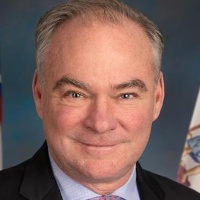
Timothy Kaine
Senator
VA
Timothy Kaine
Senator
VA
This resolution commemorates the seventh anniversary of Jamal Khashoggi's murder and addresses ongoing transnational repression by the Government of Saudi Arabia. It calls for accountability for those responsible for Khashoggi's death and urges Saudi Arabia to release all wrongfully detained individuals. Furthermore, the resolution emphasizes that these human rights abuses strain the strategic relationship between the U.S. and Saudi Arabia.
This bill ensures uninterrupted funding for SNAP and WIC benefits through fiscal year 2026, covering any missed payments during a funding lapse.
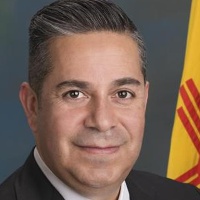
Ben Luján
Senator
NM
Ben Luján
Senator
NM
The Keep SNAP and WIC Funded Act of 2025 ensures that essential nutrition programs, including SNAP and WIC, continue to provide benefits without interruption if full appropriations for the Department of Agriculture are not enacted for Fiscal Year 2026. This legislation immediately makes funds available to cover benefits and state operating costs during any funding lapse, retroactive to September 30, 2025. These special appropriations terminate once the standard FY 2026 funding bill is passed or by September 30, 2026.
This resolution condemns President Trump's pardon of Binance founder Changpeng Zhao for violating anti-money laundering laws and calls on Congress to prevent such corruption.
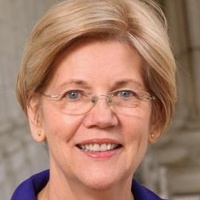
Elizabeth Warren
Senator
MA
Elizabeth Warren
Senator
MA
This resolution formally condemns President Trump's pardon of Binance founder Changpeng Zhao, who previously pleaded guilty to violating U.S. anti-money laundering laws. The measure expresses strong disapproval of the pardon, citing potential conflicts of interest related to the Trump family's financial dealings with Binance. Finally, it calls upon Congress to utilize its authority to prevent similar acts of corruption in the pardon process moving forward.
This bill appropriates funds to ensure military and federal employees and contractors receive full compensation for work performed or time furloughed during a lapse in government appropriations between October 1, 2025, and the date of enactment.
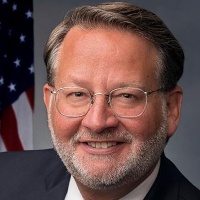
Gary Peters
Senator
MI
Gary Peters
Senator
MI
The Military and Federal Employee Protection Act ensures that federal employees, military members, and covered contractors receive their full standard compensation for work performed or time furloughed during a lapse in government appropriations occurring after September 30, 2025. This bill appropriates necessary funds for agencies to make these retroactive payments. Payments must be made promptly, generally within seven days of enactment for furloughed individuals. This legislation guarantees that no covered individual loses pay due to a government shutdown during the specified period.
This Act ensures back pay for federal employees, contractors, and service members affected by a government shutdown beginning October 1, 2025, and prohibits agency staffing reductions during such lapses.

Chris Van Hollen
Senator
MD
Chris Van Hollen
Senator
MD
The True Shutdown Fairness Act ensures that federal employees, contractors, and service members affected by a government funding lapse starting October 1, 2025, receive retroactive back pay for the period they worked without funding. Additionally, the bill prohibits agencies from initiating permanent staffing reductions or furloughs during such a lapse. These provisions are designed to provide financial security and stability to essential government personnel during periods of lapsed appropriations.
This joint resolution directs the President to immediately remove U.S. Armed Forces from hostilities within or against Venezuela unless explicitly authorized by Congress.
Timothy Kaine
Senator
VA
Timothy Kaine
Senator
VA
This joint resolution directs the President to immediately remove United States Armed Forces from any hostilities within or against Venezuela that lack explicit authorization from Congress. It asserts that only Congress has the constitutional authority to declare war or approve such military actions. The bill ensures that U.S. forces can only remain if acting in self-defense against an armed attack.