Legislative Activity
Track Josh's sponsored bills, co-sponsored legislation, and voting record
This Act expands eligibility for certain SNAP benefits for veterans based on specific disability ratings or pension status, effective October 1, 2030.

Jahana Hayes
Representative
CT
Jahana Hayes
Representative
CT
The Feed Hungry Veterans Act of 2025 expands eligibility for certain food assistance benefits for veterans. It updates the criteria for veterans based on service-connected disability ratings and adds specific categories of disabled or pensioned veterans who will now qualify. These changes are scheduled to take effect on October 1, 2030.
This bill adjusts the effective date for reducing or stopping certain VA benefits following a divorce or the death of a dependent, ensuring recipients receive benefits for the entire month the event occurs.
Bryan Steil
Representative
WI
Bryan Steil
Representative
WI
The Survivor Benefits Fairness Act adjusts the effective date for reducing or stopping certain VA benefits, like compensation or pension, when a veteran's marriage ends or a dependent dies. Under this bill, benefit reductions will now take effect at the end of the month the event occurs, rather than the end of the preceding month. This change ensures veterans and survivors receive benefits for the entire month in which the qualifying event takes place.
Urges Congress and the administration to collaborate on food and agricultural trade policies that expand market access, eliminate trade barriers, and ensure global competitiveness for U.S. farmers and ranchers.

Dusty Johnson
Representative
SD
Dusty Johnson
Representative
SD
This resolution urges Congress and the administration to work together to address the decline in U.S. food and agricultural exports by expanding market access, reducing trade barriers, and supporting domestic trade promotion programs. It emphasizes the importance of trade agreements and the enforcement of existing commitments to ensure global competitiveness for U.S. farmers and ranchers. The resolution seeks a global trading system grounded in scientific principles to bolster the U.S. agricultural sector.
The PARA-EMT Act of 2025 establishes pilot grant programs to combat the national shortage of EMTs and paramedics by funding recruitment, training, and veteran credentialing, alongside mandating a comprehensive study of the workforce crisis.

Marie Gluesenkamp Perez
Representative
WA
Marie Gluesenkamp Perez
Representative
WA
The PARA-EMT Act of 2025 addresses the critical national shortage of EMTs and paramedics by establishing a pilot grant program to help agencies hire, train, and support their emergency medical workforce. It also creates a federal grant program to assist states in streamlining the transition of veterans with military medical training into civilian EMS roles. Finally, the bill mandates a comprehensive study to quantify the current and projected workforce shortage and recommend solutions, including potential visa considerations.
This bill aligns the Veterans Health Administration's standards for Certified Registered Nurse Anesthetists with the Defense Health Agency's, establishes new certification and direct patient care requirements for all anesthesia providers, and mandates an annual GAO report comparing the cost-effectiveness of different anesthesia delivery models.

Lauren Underwood
Representative
IL
Lauren Underwood
Representative
IL
The Ensuring Veterans Timely Access to Anesthesia Care Act of 2025 aims to align the practice standards for Certified Registered Nurse Anesthetists (CRNAs) within the Veterans Health Administration (VHA) with those of the Defense Health Agency, recognizing them as licensed independent practitioners. The bill also establishes new certification and minimum direct patient care requirements for all anesthesia providers in the VA system. Finally, it mandates an annual public report from the GAO comparing the cost-effectiveness of different anesthesia delivery models within the VHA.
This bill restores protections to prevent private health insurance plans from discriminating against dialysis patients with End-Stage Renal Disease (ESRD) or shifting their treatment costs unfairly onto Medicare.

Mike Kelly
Representative
PA
Mike Kelly
Representative
PA
The Restore Protections for Dialysis Patients Act aims to prevent private health insurance plans from discriminating against patients with End-Stage Renal Disease (ESRD). This legislation clarifies that plans cannot offer worse benefits or unfairly limit coverage for dialysis treatments compared to other medical services. Furthermore, it stops these plans from shifting the primary financial responsibility for ESRD care onto Medicare. The bill maintains existing rules ensuring fair treatment while preserving a health plan's ability to select its network of dialysis providers.
This bill authorizes a dedicated Cerebral Palsy Research Program within the CDC to advance understanding, diagnosis, and treatment for the most common lifelong childhood movement disorder.

Steve Cohen
Representative
TN
Steve Cohen
Representative
TN
The Cerebral Palsy Research Program Authorization Act of 2025 establishes a dedicated research program for cerebral palsy (CP) within the CDC. This program will focus on improving diagnosis, treatment, prevention, and understanding the public health impact of CP. The Act authorizes $5 million annually from 2026 through 2031 to fund these critical research efforts.
This bill expands eligibility for veterans who served in Guam between August 15, 1958, and July 31, 1980, to receive a presumption of service connection for diseases associated with herbicide exposure.
James (Jim) Moylan
Representative
GU
James (Jim) Moylan
Representative
GU
The Correcting Guam's History in the PACT Act expands eligibility for veterans who served in Guam to receive a presumption of service connection for diseases linked to herbicide exposure. This change specifically covers service in Guam between August 15, 1958, and July 31, 1980. Coverage for veterans who served in American Samoa remains unchanged.
This act exempts individuals and businesses deriving at least 75% of their adjusted gross income from farming, ranching, or forestry from certain payment limitations for specified agricultural disaster programs.
Jimmy Panetta
Representative
CA
Jimmy Panetta
Representative
CA
The Fair Access to Agriculture Disaster Programs Act creates an exception to income limits for certain federal agriculture disaster payments. This exception applies to individuals or businesses where at least 75% of their average adjusted gross income is derived from farming, ranching, or forestry. Consequently, these deeply involved agricultural producers will not be subject to standard payment caps on specific disaster assistance programs.
The Safe Vehicle Access for Survivors Act mandates that connected vehicle service providers quickly terminate an abuser's remote access to a survivor's vehicle upon request, while protecting the survivor's privacy and ensuring no fees are charged for the action.

Debbie Dingell
Representative
MI
Debbie Dingell
Representative
MI
The Safe Vehicle Access for Survivors Act mandates that providers of connected vehicle services must quickly terminate an abuser's remote access to a survivor's vehicle upon request, without imposing fees or requiring co-owner consent. This legislation requires providers to secure the survivor's information, offer clear instructions for regaining sole control, and establish specific notification procedures for all actions taken. The FCC is tasked with creating detailed regulations to ensure survivor safety and data confidentiality within two years of the bill's enactment.
This act officially designates Postal Service police officers as federal agents with authority over Postal Service property and establishes penalties for violating property rules set by the Postmaster General.
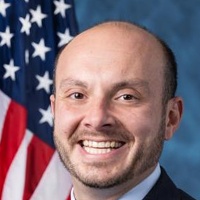
Andrew Garbarino
Representative
NY
Andrew Garbarino
Representative
NY
The Postal Police Reform Act of 2025 officially designates Postal Service police officers as federal law enforcement agents under Title 18 of the U.S. Code. This legislation grants the Postmaster General the authority to establish and enforce rules for protecting Postal Service property. Violations of these new rules may result in federal fines or imprisonment up to 30 days.
The Major Richard Star Act ensures that military retirees with combat-related disabilities can concurrently receive their full military retirement pay and VA disability compensation without reduction.

Gus Bilirakis
Representative
FL
Gus Bilirakis
Representative
FL
The Major Richard Star Act ensures that military retirees with combat-related disabilities can receive both their military retirement pay and VA disability compensation concurrently without reduction. This law removes previous restrictions that caused military retirement pay to be offset by VA disability payments for these specific cases. The changes take effect on the first day of the month following the Act's enactment.
This bill establishes a commission to study the feasibility, planning, and funding strategy for creating a National Museum of Irish American History.

Brian Fitzpatrick
Representative
PA
Brian Fitzpatrick
Representative
PA
This bill establishes a 23-member Commission tasked with studying the feasibility and planning for the creation of a National Museum of Irish American History in Washington, D.C. The Commission must develop comprehensive plans for the museum's establishment, operation, and governance, including a strategy to fund it without relying on future federal tax dollars for maintenance. The Commission is authorized specific funding for two fiscal years and will terminate 30 days after submitting its final required reports to Congress and the President.
This act establishes a mandatory, value-based case rate payment system for Medicare radiation oncology services to incentivize quality care and cost efficiency while protecting patient access and offering transportation assistance.
Brian Fitzpatrick
Representative
PA
Brian Fitzpatrick
Representative
PA
The Radiation Oncology Case Rate Value Based Program Act of 2025 establishes a new Medicare payment system that pays providers a single, set rate for an entire episode of radiation therapy care, rather than paying for individual services. This program aims to incentivize high-quality, efficient care while achieving cost savings for Medicare. It also includes specific provisions to support patient access, such as a health equity bonus for addressing transportation insecurity. Finally, the bill exempts the savings generated by this new payment structure from standard Medicare budget neutrality adjustments.
This act establishes a mandatory, science-based testing and certification program for commercial honey packers to prevent economically motivated adulteration and sets an official standard of identity for honey.
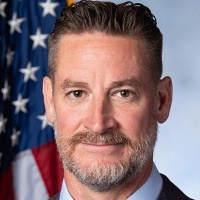
W. Steube
Representative
FL
W. Steube
Representative
FL
The Honey Integrity Act establishes a clear standard of identity for honey based on existing quality benchmarks. It mandates that commercial honey packers implement rigorous, scientifically advanced testing protocols to detect fraud and adulteration. Furthermore, the bill requires the Secretary to report on enforcement actions against mislabeled honey and establishes a new program funded by packer fees to ensure honey sold in the U.S. is authentic.
The HELPER Act of 2025 establishes a new FHA mortgage insurance program offering 100% financing with an upfront premium and no monthly premiums for eligible first responders, educators, and law enforcement officers.

John Rutherford
Representative
FL
John Rutherford
Representative
FL
The HELPER Act of 2025 establishes a new FHA mortgage insurance program to assist first responders, educators, and law enforcement officers in purchasing homes. This program offers eligible first-time homebuyers 100% financing with no down payment required. Instead of monthly premiums, borrowers pay an upfront FHA insurance premium at closing.
The REDI Act allows medical and dental interns and residents to defer both principal and interest payments on their student loans while in training.

Brian Babin
Representative
TX
Brian Babin
Representative
TX
The Resident Education Deferred Interest (REDI) Act amends federal student loan regulations to provide a specific deferment for medical and dental residents. This allows borrowers currently serving in an internship or residency program to pause principal payments and prevent interest accrual on their student loans during that training period.
This Act establishes a statutory right to access Assisted Reproductive Technology (ART) services and prohibits overly burdensome state or local regulations that interfere with that access.
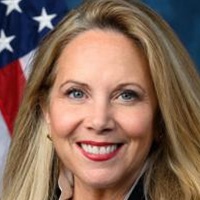
Laura Gillen
Representative
NY
Laura Gillen
Representative
NY
The Access to Family Building Act aims to guarantee that patients can access Assisted Reproductive Technology (ART) services and that healthcare providers can offer them without unreasonable interference. This legislation preempts state and local laws that impose burdens on ART services not required for similar medical procedures or that hinder access without improving safety. The Act establishes the right to access ART and provides robust legal avenues for individuals, providers, and the government to challenge and strike down restrictive regulations.
The Medicare Dental, Vision, and Hearing Benefit Act of 2025 adds comprehensive dental, vision, and hearing care, including hearing aids, to Medicare coverage starting in 2026 while also mandating the inclusion of an oral health professional on the U.S. Preventive Services Task Force.

Lloyd Doggett
Representative
TX
Lloyd Doggett
Representative
TX
The Medicare Dental, Vision, and Hearing Benefit Act of 2025 significantly expands Medicare coverage to include comprehensive dental, vision, and hearing services starting in 2026. This legislation outlines specific payment schedules, frequency limits, and coverage percentages for routine exams, procedures, eyeglasses, contact lenses, and hearing aids. Furthermore, the bill mandates the inclusion of an oral health professional on the United States Preventive Services Task Force.
This Act eliminates the waiting periods for Social Security disability benefits and Medicare coverage for individuals diagnosed with metastatic breast cancer.
Andrew Garbarino
Representative
NY
Andrew Garbarino
Representative
NY
The Metastatic Breast Cancer Access to Care Act aims to improve support for individuals diagnosed with metastatic breast cancer. This bill eliminates the standard waiting period for receiving Social Security disability insurance benefits and waives the 24-month waiting period for Medicare coverage. These changes ensure immediate access to crucial financial and healthcare support upon diagnosis.