Legislative Activity
Track Josh's sponsored bills, co-sponsored legislation, and voting record
The Lawful Hemp Protection Act establishes a comprehensive federal regulatory, tax, and safety framework for hemp-derived cannabinoid products to ensure consumer protection, prevent underage access, and standardize industry manufacturing and testing.
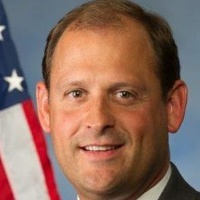
Garland Barr
Representative
KY
Garland Barr
Representative
KY
The Lawful Hemp Protection Act establishes a comprehensive federal regulatory framework for hemp-derived cannabinoid products to ensure consumer safety and industry accountability. The bill mandates strict age-gating, standardized manufacturing and labeling requirements, and FDA oversight to eliminate deceptive products. Additionally, it implements a federal tax and permit system for manufacturers and wholesalers while preserving the authority of states to enforce their own regulations.
The "Combating Illicit Xylazine Act" aims to combat the misuse of xylazine by adding it to Schedule III of the Controlled Substances Act, tracking its distribution, and ensuring appropriate penalties for related offenses, while also protecting legitimate veterinary use.
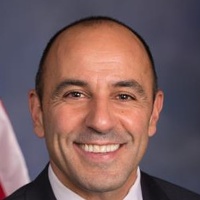
Jimmy Panetta
Representative
CA
Jimmy Panetta
Representative
CA
The "Combating Illicit Xylazine Act" aims to combat the illegal use of xylazine by adding it to Schedule III of the Controlled Substances Act, which would allow for increased regulation and tracking of the substance. The bill includes exemptions and delayed effective dates for certain requirements to ease the transition for legitimate users, such as veterinarians and animal handlers. It also directs the Sentencing Commission to review sentencing guidelines for xylazine-related offenses and mandates reports to Congress on the prevalence and impact of illicit xylazine use. Finally, it will include xylazine in Arcos tracking.
Tyler's Law mandates a study and subsequent guidance on the routine testing for fentanyl in hospital emergency departments during overdose treatment.
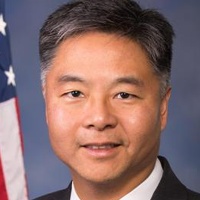
Ted Lieu
Representative
CA
Ted Lieu
Representative
CA
Tyler's Law mandates a comprehensive study by the Secretary of Health and Human Services on the frequency, cost, and impact of fentanyl testing in hospital emergency departments during overdose cases. Following the study, the Secretary must issue guidance on whether routine fentanyl testing should become standard practice for overdose patients. This guidance will also address staff training regarding existing drug test panels and the long-term health implications of such testing.
This bill clarifies that a franchisor is only considered a joint employer of a franchisee's workers if it exercises substantial, direct, and immediate control over essential terms of employment.
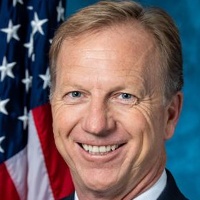
Kevin Hern
Representative
OK
Kevin Hern
Representative
OK
The American Franchise Act aims to protect the traditional franchise business model by clarifying the definition of a "joint employer." This legislation establishes that a franchisor is only considered a joint employer if it exercises "substantial direct and immediate control" over the essential terms of employment for a franchisee's workers. This change specifically targets liability risks associated with maintaining brand standards, ensuring franchisors are not automatically held responsible for local labor practices. The new standard applies prospectively to future legal proceedings.
This bill establishes a federal standard requiring large industrial electricity customers to fully cover the costs of necessary utility infrastructure upgrades and provide financial assurances before construction begins.
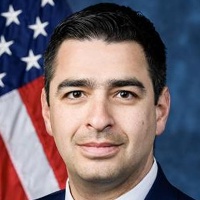
Gabe Evans
Representative
CO
Gabe Evans
Representative
CO
The Ratepayer Protection Act establishes a new federal standard requiring electric utilities to ensure large industrial customers (100 MW or more) fully cover the costs of necessary infrastructure upgrades. This mandates that large-load customers provide financial assurances before construction begins, protecting existing ratepayers from bearing the risk of future contract terminations. States must consider and adopt this standard within two years, unless they have already implemented similar requirements.
This resolution expresses the House of Representatives' opposition to redesignating the Delaware Water Gap National Recreation Area as a national park and preserve, aiming to protect current recreational access and local community partnerships.
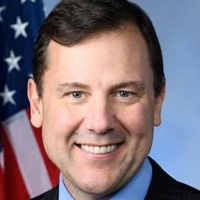
Thomas Kean
Representative
NJ
Thomas Kean
Representative
NJ
This resolution expresses the House of Representatives' opposition to redesignating the Delaware Water Gap National Recreation Area as a national park and preserve. It advocates for maintaining the current designation to protect existing recreational access, preserve local partnerships, and prevent economic strain on surrounding communities.
This resolution recognizes July 21, 2026, as Black Women’s Equal Pay Day to raise awareness of the persistent wage gap and reaffirm the commitment to achieving pay equity.
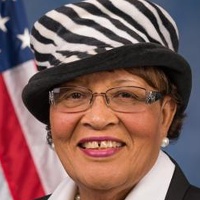
Alma Adams
Representative
NC
Alma Adams
Representative
NC
This resolution recognizes July 21, 2026, as Black Women’s Equal Pay Day to highlight the persistent and significant wage gap between Black women and white, non-Hispanic men. It calls attention to the systemic racial and gender-based barriers contributing to this disparity and reaffirms a commitment to achieving true pay equity.
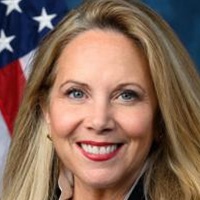
This Act authorizes the Treasury to provide $3 billion in annual loans to the U.S. Victims of State Sponsored Terrorism Fund from 2027 to 2029 to ensure mandatory distributions to victims.
Laura Gillen
Representative
NY
Laura Gillen
Representative
NY
The Never Forget the Victims of Terrorism: Joseph D. Mistrulli and Alan Kleinberg USVSST Fund Solvency Act ensures the continued support of victims by authorizing the Treasury to loan $3 billion to the U.S. Victims of State Sponsored Terrorism Fund annually from 2027 through 2029. These funds are mandated for immediate distribution to eligible claimants, providing a critical financial bridge for those affected by state-sponsored terrorism. The act establishes a clear repayment structure for these loans, utilizing future civil and criminal penalties collected from state sponsors of terrorism.
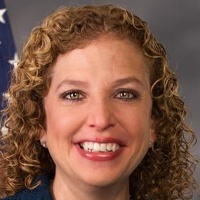
The EARLY Act Reauthorization of 2025 extends breast health education for young women and modernizes the National Breast and Cervical Cancer Early Detection Program to improve screening access, equity, and funding through 2030.
Debbie Wasserman Schultz
Representative
FL
Debbie Wasserman Schultz
Representative
FL
The EARLY Act Reauthorization of 2025 extends critical breast health education initiatives through 2031 and bolsters the National Breast and Cervical Cancer Early Detection Program. By streamlining grant requirements and increasing funding through 2030, this legislation aims to reduce health disparities, improve access to life-saving screenings, and enhance patient support services. Additionally, it mandates a GAO study to identify and address barriers to equitable cancer care.
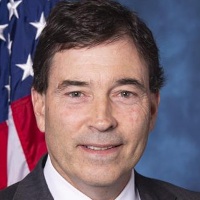
The AADAPT Act expands grant eligibility and funding to integrate dementia care services into health centers through 2031.
Troy Balderson
Representative
OH
Troy Balderson
Representative
OH
The AADAPT Act expands access to specialized dementia care by authorizing grants for public and nonprofit health centers to integrate these services into their programs. Additionally, the bill extends federal funding authorization through 2031 to ensure the continued growth and sustainability of these critical health outcomes.
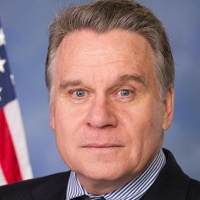
This bill reauthorizes the C.W. Bill Young Cell Transplantation Program and the National Cord Blood Inventory through 2031 to ensure a high-quality, scientifically managed supply of stem cell units for patients in need.
Christopher Smith
Representative
NJ
Christopher Smith
Representative
NJ
The Stem Cell Therapeutic and Research Reauthorization Act of 2025 extends critical funding and support for the C.W. Bill Young Cell Transplantation Program and the National Cord Blood Inventory through 2031. This legislation modernizes the management of cord blood supplies by prioritizing clinical utility, genetic diversity, and the use of the latest scientific standards. By streamlining inventory operations, the bill ensures that life-saving transplant resources remain accessible and effective for patients in need.
This bill reauthorizes and updates federal vector-borne disease initiatives and grant programs through 2030 to improve the prevention, identification, and response to tick-borne illnesses.
Christopher Smith
Representative
NJ
Christopher Smith
Representative
NJ
The Kay Hagan Tick Act reauthorization extends federal funding and support for vector-borne disease initiatives through 2030. This legislation updates national strategy requirements and enhances the capacity of regional centers and health departments to identify, prevent, and respond to tick-borne and other vector-borne illnesses.
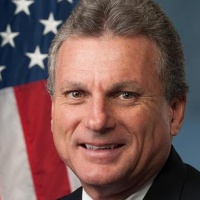
The FDA Modernization Act 3.0 mandates updates to federal regulations to replace references to animal testing with broader "nonclinical" terminology and corrects technical errors in the Federal Food, Drug, and Cosmetic Act.
Earl Carter
Representative
GA
Earl Carter
Representative
GA
The FDA Modernization Act 3.0 directs the FDA to update federal regulations by replacing references to "animal testing" with the broader term "nonclinical tests." This update ensures regulatory consistency with modern testing standards and includes a technical correction to the Federal Food, Drug, and Cosmetic Act.
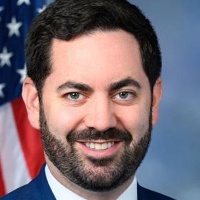
This act mandates that the Department of Health and Human Services assess and publicly report on the safety risks, inspection trends, and regulatory oversight of food products imported into the United States.
Michael Lawler
Representative
NY
Michael Lawler
Representative
NY
The Protecting America’s Food Supply Act of 2026 mandates a comprehensive federal assessment of the public health risks associated with imported food products. This legislation requires the Department of Health and Human Services to publicly report on foreign facility safety records, inspection trends, and regulatory oversight. By increasing transparency, the Act ensures that imported food meets rigorous safety standards and aligns with established U.S. inspection mandates.
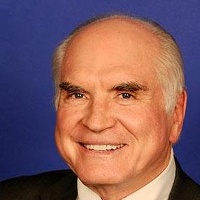
This bill mandates electronic prior authorization, increases transparency through required data reporting, and establishes faster decision timelines for Medicare Advantage plans to improve timely access to care for seniors.
Mike Kelly
Representative
PA
Mike Kelly
Representative
PA
The Improving Seniors’ Timely Access to Care Act of 2025 aims to streamline and modernize the prior authorization process within Medicare Advantage plans. This bill mandates the adoption of electronic prior authorization systems and significantly increases transparency regarding approval rates and decision times starting in 2027. Furthermore, it establishes new enrollee protections and grants the Secretary authority to enforce faster decision timeframes for medical services.
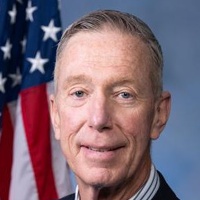
The Failing Bank Acquisition Fairness Act restricts federal regulators from waiving bank concentration limits during mergers unless necessary to prevent severe economic harm and mandates increased transparency and congressional reporting for such exceptions.
Stephen Lynch
Representative
MA
Stephen Lynch
Representative
MA
The Failing Bank Acquisition Fairness Act restricts federal regulators from waiving bank concentration limits during mergers and acquisitions, allowing exceptions only when necessary to prevent severe economic instability and when no other qualified bids exist. The bill also mandates increased transparency by requiring regulators to provide Congress and the public with a detailed justification for any such waivers. Additionally, it prohibits the consideration of bids that would violate existing banking laws when determining the least costly resolution for a failing institution.
The FARM AI Act of 2026 establishes a national framework to accelerate the adoption of artificial intelligence in agriculture through expanded research, workforce training, and the creation of a dedicated AI Advisor at the Department of Agriculture.
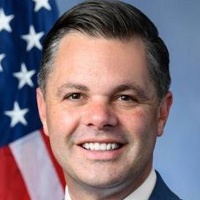
Zachary (Zach) Nunn
Representative
IA
Zachary (Zach) Nunn
Representative
IA
The FARM AI Act of 2026 aims to modernize the American agricultural sector by prioritizing artificial intelligence in Department of Agriculture research, extension, and workforce development programs. The bill establishes a new Artificial Intelligence Agriculture Advisor to promote the adoption of AI technologies and coordinate the development of national standards for digital agriculture. These efforts are designed to improve farm productivity, enhance resource management, and expand economic opportunities for farmers across the country.
This bill mandates the development and implementation of a comprehensive strategy to dismantle UNRWA and transition its humanitarian responsibilities to alternative, accountable organizations.
Michael Lawler
Representative
NY
Michael Lawler
Representative
NY
The "Replace UNRWA with Real Humanitarian Assistance Act" mandates that the Secretary of State develop and implement a comprehensive strategy to dismantle the United Nations Relief and Works Agency (UNRWA). The bill requires a structured transition plan to transfer UNRWA’s humanitarian services to alternative entities, ensuring continued aid while prioritizing transparency, accountability, and neutrality.
The Cure Hepatitis C Act of 2026 mandates a national program to eliminate hepatitis C in the United States by expanding access to no-cost treatments, enhancing public health screening, and coordinating federal efforts through 2033.
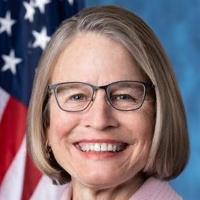
Mariannette Miller-Meeks
Representative
IA
Mariannette Miller-Meeks
Representative
IA
The "Cure Hepatitis C Act of 2026" establishes a comprehensive national program to eliminate the hepatitis C virus in the United States by 2032. The bill mandates the creation of a federal strategy, an advisory committee, and a subscription-based drug procurement model to provide curative treatments at no cost to priority populations, including those in correctional facilities, Indian health programs, and Medicaid. Additionally, it authorizes significant funding for public health grants, diagnostic testing, and the elimination of out-of-pocket costs for hepatitis C treatments under Medicare.
The AIR CARE for Vets Act of 2026 establishes a five-year pilot program to implement FDA-approved, four-dimensional lung imaging software to improve the detection of respiratory disorders in veterans.
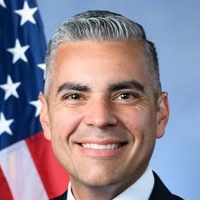
Juan Ciscomani
Representative
AZ
Juan Ciscomani
Representative
AZ
The AIR CARE for Vets Act of 2026 establishes a five-year pilot program within the Department of Veterans Affairs to utilize advanced, FDA-approved four-dimensional lung imaging software for the detection of respiratory disorders in veterans. This initiative authorizes $5 million in annual funding through 2031 to improve diagnostic capabilities and respiratory care. Following the program's conclusion, the VA will submit a comprehensive report to Congress evaluating its effectiveness.