Legislative Activity
Track Glenn's sponsored bills, co-sponsored legislation, and voting record
This bill establishes specific discretionary spending limits for the federal government for fiscal years 2026 through 2029.
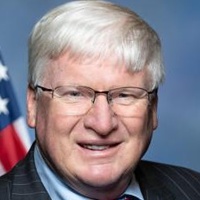
Glenn Grothman
Representative
WI
Glenn Grothman
Representative
WI
The Enforce the Caps Act establishes specific, increasing discretionary spending limits for the federal government for fiscal years 2026 through 2029. This legislation amends existing law to set firm budget authority caps for non-mandatory government programs over the next four years.
This Act requires group health plans to ensure that patient cost-sharing for medically necessary oral cancer drugs is comparable to that for intravenously administered cancer drugs.
Glenn Grothman
Representative
WI
Glenn Grothman
Representative
WI
The Cancer Drug Parity Act of 2025 mandates that group health plans treat the cost-sharing for oral (take-at-home) anticancer drugs the same as they treat cost-sharing for intravenously administered cancer drugs. This ensures patients do not face higher out-of-pocket expenses for necessary oral chemotherapy medications. The Act also requires the GAO to study the financial impact of this new parity requirement on patients.
This bill makes permanent full expensing for qualified property, adjusts depreciation for real property based on inflation, and allows immediate expensing of research and experimental expenditures while eliminating amortization.
Glenn Grothman
Representative
WI
Glenn Grothman
Representative
WI
The CREATE JOBS Act aims to boost the economy by making permanent 100% immediate expensing for qualified business property. It also introduces an inflation-adjusted depreciation calculation for commercial and residential real estate. Furthermore, the bill eliminates the option to amortize research and experimental expenditures, allowing for immediate deduction of these costs. These changes are designed to accelerate cost recovery and encourage business investment.
This act revises budget baseline calculations by excluding funds designated as emergency requirements or provided through supplemental appropriations.
Glenn Grothman
Representative
WI
Glenn Grothman
Representative
WI
The Stop the Baseline Bloat Act of 2025 aims to reform how federal budget baselines are calculated under existing deficit control laws. Specifically, this bill mandates that funding designated as "emergency requirements" or provided through supplemental appropriations must be excluded when determining the baseline spending level. This change seeks to prevent temporary, non-recurring spending from artificially inflating future budget caps.
This bill eliminates the Low-Income Housing Tax Credit (LIHTC) by ceasing the issuance of new credits for buildings placed in service after the law's enactment.
Glenn Grothman
Representative
WI
Glenn Grothman
Representative
WI
The Low-Income Housing Tax Credit Elimination Act proposes to end the federal government's primary incentive for developing affordable housing. Specifically, this bill mandates that no new Low-Income Housing Tax Credits (LIHTC) will be issued for any building placed in service after the law's enactment date. This action effectively phases out the current mechanism used to finance new low-income housing projects.
This Act grants the Bureau of Prisons temporary authority to directly hire qualified individuals into competitive service positions to expedite staffing until 96% of those positions are filled.
Glenn Grothman
Representative
WI
Glenn Grothman
Representative
WI
The BOP Direct-Hire Authority Act grants the Director of the Bureau of Prisons the authority to directly hire qualified individuals into competitive service jobs, bypassing standard federal hiring procedures. This expedited hiring power is intended to speed up staffing efforts across all BOP facilities. This special authority will automatically expire once 96% of all competitive service positions within the Bureau of Prisons are filled.
This act modifies the student loan interest deduction limit for married couples filing separately, applying the \$2,500 cap to each spouse individually.
Glenn Grothman
Representative
WI
Glenn Grothman
Representative
WI
The Student Loan Marriage Penalty Elimination Act of 2025 aims to adjust the student loan interest deduction for married couples filing separately. This bill caps the deductible student loan interest at \$2,500 per individual spouse. It ensures that taxpayers cannot claim the same interest amount under multiple deduction provisions.
This Act prohibits the issuance of federal tax-exempt bonds for the financing or refinancing of professional sports stadiums.
Glenn Grothman
Representative
WI
Glenn Grothman
Representative
WI
The No Tax Subsidies for Stadiums Act of 2025 prohibits the issuance of federal tax-exempt bonds for financing or refinancing professional sports stadiums. This legislation immediately ends the federal tax break previously available to investors purchasing bonds used for stadium construction or renovation. Consequently, any bonds issued for these facilities will now be subject to federal taxation.
The FEHB Protection Act of 2025 aims to improve the integrity of the Federal Employees Health Benefits (FEHB) Program by verifying the eligibility of family members enrolled in health plans, conducting audits, and providing funding for oversight and audit activities.
Glenn Grothman
Representative
WI
Glenn Grothman
Representative
WI
The FEHB Protection Act of 2025 aims to improve the integrity of the Federal Employees Health Benefits (FEHB) Program by verifying the eligibility of family members enrolled in health plans. It mandates the Director to establish processes for verifying qualifying life events, conduct comprehensive audits of covered family members, and disenroll ineligible individuals. The Act also allocates specific funding for oversight, audits, and the Office of the Inspector General to ensure proper implementation and prevent fraud within the FEHB Program.
The Air America Act of 2025 authorizes one-time monetary awards to former Air America employees or their survivors for service supporting the CIA between 1950 and 1976.
Glenn Grothman
Representative
WI
Glenn Grothman
Representative
WI
The Air America Act of 2025 recognizes the sacrifices of former Air America employees who served the U.S. Government between 1950 and 1976. This Act authorizes a one-time monetary award, up to $40,000 plus potential additional amounts, for qualifying service members or their survivors. The CIA Director is responsible for administering these payments, which are capped at a total of $60 million, and establishing the application procedures. Decisions made by the Director regarding these awards are final and not subject to judicial review.
This resolution disapproves and nullifies the Internal Revenue Service’s rule regarding supervisory approval of penalties.
Glenn Grothman
Representative
WI
Glenn Grothman
Representative
WI
This joint resolution invokes the Congressional Review Act to formally disapprove and nullify the Internal Revenue Service’s rule regarding supervisory approval of penalties. By passing this measure, Congress declares the rule void and prevents it from having any legal force or effect.
This bill temporarily reinstates and modifies the deduction for unreimbursed employee business expenses, allowing individuals to deduct 85% of these expenses while adjusting the floor for miscellaneous itemized deductions, and extends the period to claim refunds related to these changes.
Glenn Grothman
Representative
WI
Glenn Grothman
Representative
WI
The "Employee Business Expense Deduction Reinstatement Act of 2025" reinstates and modifies the deduction for unreimbursed employee expenses, allowing individuals to deduct 85% of costs related to food, lodging, travel, or transportation. It also lowers the floor for miscellaneous itemized deductions from 2% to 1% and extends the statute of limitations for related credit or refund claims by one year. These changes are applicable retroactively as if included in the original 2017 tax law.
Prohibits the EPA from using its Integrated Risk Information System program to create regulations, carry out enforcement, or inform air toxics assessments.
Glenn Grothman
Representative
WI
Glenn Grothman
Representative
WI
The "No Industrial Restrictions in Secret Act of 2025" or "No IRIS Act of 2025" prevents the EPA Administrator from utilizing assessments produced by the EPA's Integrated Risk Information System program. This prohibition extends to developing regulations, enforcement actions, permitting, and informing air toxics assessments.
This bill restricts the Secretary of Education from implementing student loan regulations or executive actions that would increase federal subsidy costs or have a significant economic impact.
Glenn Grothman
Representative
WI
Glenn Grothman
Representative
WI
The Protecting Taxpayers from Student Loan Bailouts Act restricts the Secretary of Education’s authority to implement new student loan regulations or executive actions that carry a significant economic impact. Specifically, it prohibits any policy that would increase federal subsidy costs by $100 million or more. This measure ensures greater fiscal oversight by requiring rigorous cost analysis before any major changes to federal student financial aid programs can proceed.