Legislative Activity
Track Shomari's sponsored bills, co-sponsored legislation, and voting record
The Social Determinants for Moms Act establishes federal grant programs and a dedicated task force to improve maternal health outcomes by addressing the nonclinical social factors that impact pregnant and postpartum individuals.
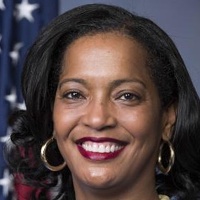
Jahana Hayes
Representative
CT
Jahana Hayes
Representative
CT
The Social Determinants for Moms Act aims to reduce maternal mortality and health disparities by addressing the nonclinical factors that impact pregnancy and postpartum outcomes. The bill establishes federal grant programs to provide essential services—such as housing, nutrition, transportation, and childcare—to pregnant and postpartum individuals. Additionally, it creates a federal task force to coordinate cross-agency strategies to improve maternal health and support community-led initiatives across the country.
The Momnibus Act is a comprehensive legislative package designed to improve maternal health outcomes and reduce racial disparities by addressing social determinants, expanding nutritional and mental health support, diversifying the perinatal workforce, and investing in data-driven, community-based care.
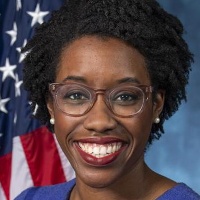
Lauren Underwood
Representative
IL
Lauren Underwood
Representative
IL
The Momnibus Act is a comprehensive legislative package designed to end preventable maternal mortality and close racial and ethnic disparities in maternal health outcomes. By addressing social determinants of health, expanding nutritional and mental health support, and investing in a diverse, culturally competent workforce, the bill provides a holistic framework for improving care. Through targeted federal grants, enhanced data collection, and innovative technology, the Act aims to ensure that all pregnant and postpartum individuals receive the equitable, high-quality care they deserve.
The Energy Bills Relief Act aims to lower energy costs for families by reversing clean energy rollbacks, expanding assistance programs, streamlining grid upgrades, and increasing transparency in utility regulation.
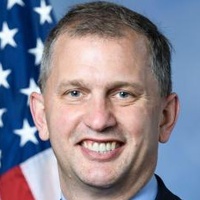
Sean Casten
Representative
IL
Sean Casten
Representative
IL
The Energy Bills Relief Act is a comprehensive bill designed to lower energy costs for American families, accelerate the deployment of low-cost, clean energy, and modernize the nation's electricity grid. It achieves this by reversing harmful policies against renewables, expanding energy assistance programs, streamlining grid connection processes, and increasing transparency in utility regulation. Ultimately, the legislation aims to create a more reliable, affordable, and cleaner energy system while ensuring communities have a stronger voice in energy development.
This bill exempts H-1B healthcare workers from a $100,000 entry fee to help address workforce shortages.
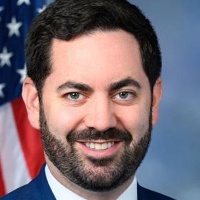
Michael Lawler
Representative
NY
Michael Lawler
Representative
NY
The H-1Bs for Physicians and the Healthcare Workforce Act exempts healthcare workers from a $100,000 entry fee requirement currently imposed on certain H-1B nonimmigrant visa petitions. This legislation aims to remove financial barriers for medical professionals, ensuring they are not subject to fees exceeding standard immigration costs.
The Enhanced Iran Sanctions Act of 2025 mandates broad economic and immigration sanctions on foreign individuals, entities, and financial institutions that support Iran’s nuclear, missile, drone, or terrorist activities, while specifically targeting the country's petroleum and petrochemical sectors.
Michael Lawler
Representative
NY
Michael Lawler
Representative
NY
The Enhanced Iran Sanctions Act of 2025 strengthens U.S. policy by imposing mandatory sanctions on foreign persons and financial institutions that support Iran’s nuclear, ballistic missile, drone, and terrorist activities. The bill specifically targets Iran’s petroleum and petrochemical sectors to cut off funding for these malign programs. Additionally, it expands the State Department’s "Rewards for Justice" program to incentivize the reporting of individuals who evade these sanctions.
The FOOD for Health Act establishes a federal grant program to support community-based "Food is Medicine" initiatives that provide medically tailored nutrition services to individuals with diet-related diseases.
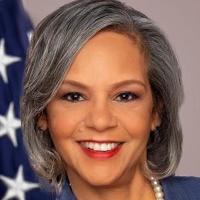
Robin Kelly
Representative
IL
Robin Kelly
Representative
IL
The FOOD for Health Act establishes a pilot grant program to support community-based organizations that partner with healthcare providers to deliver "Food is Medicine" services. This initiative provides funding for medically tailored meals, produce prescriptions, and nutrition education to help patients manage and recover from diet-related diseases. The program aims to improve health outcomes and reduce system costs through evidence-based dietary interventions.
This Act directs the placement of a statue honoring civil rights leader Clarence Mitchell, Jr. in the United States Capitol.
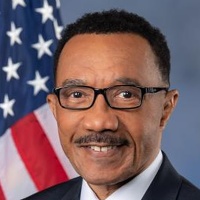
Kweisi Mfume
Representative
MD
Kweisi Mfume
Representative
MD
The Clarence Mitchell, Jr. Statue Act directs the Joint Committee of Congress on the Library to commission and install a statue of the renowned civil rights leader within the United States Capitol. This legislation honors Mitchell’s historic advocacy, including his instrumental role in securing the passage of landmark civil rights and voting rights acts.
This resolution urges the President to order U.S. flags flown at half-staff to honor the life and legacy of civil rights leader Reverend Jesse Jackson.
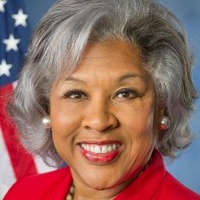
Joyce Beatty
Representative
OH
Joyce Beatty
Representative
OH
This resolution formally honors the life and enduring legacy of civil rights leader Reverend Jesse Louis Burns Jackson, Sr. It recognizes his significant contributions to the Civil Rights Movement, including his work with Dr. Martin Luther King, Jr. and his founding of Operation PUSH. The bill specifically urges the President to order that the U.S. flag be flown at half-staff in his memory.
This resolution honors the life, legacy, and enduring commitment to civil rights and equality of Reverend Jesse Louis Jackson, Sr.
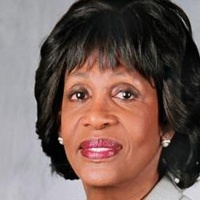
Maxine Waters
Representative
CA
Maxine Waters
Representative
CA
This resolution honors the life, leadership, and enduring legacy of Reverend Jesse Louis Jackson, Sr. It recognizes his pivotal role as a civil rights leader, his groundbreaking political campaigns, and his global advocacy for human rights and equality. The measure encourages all Americans to continue his work by moving forward with hope rather than fear and division.
The Tax Relief for Renters Act of 2026 establishes a new federal income tax deduction of up to $4,000 for qualified rent payments, subject to specific income eligibility thresholds.
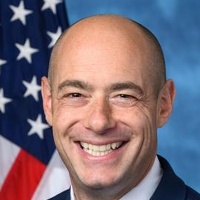
Greg Landsman
Representative
OH
Greg Landsman
Representative
OH
The Tax Relief for Renters Act of 2026 introduces a new federal income tax deduction of up to $4,000 for qualified rent payments on a primary residence. This benefit is available to all taxpayers, including those who claim the standard deduction, provided they meet specific adjusted gross income thresholds. Starting in 2028, both the deduction limit and income thresholds will be adjusted annually for inflation.
This resolution recognizes the vital historical significance, economic impact, and essential role of Black history museums and cultural institutions in telling the full American story, especially leading up to the nation's 250th anniversary.
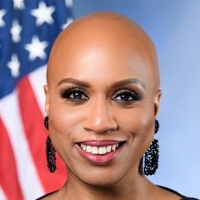
Ayanna Pressley
Representative
MA
Ayanna Pressley
Representative
MA
This resolution formally recognizes the vital historical significance and contributions of Black history museums and cultural institutions across the United States. It affirms that these essential pillars correct historical omissions by preserving irreplaceable records and telling a full, accurate American story. The bill encourages federal agencies and the public to support these institutions, especially as the nation approaches its 250th anniversary.
The African American History Act of 2026 authorizes the National Museum of African American History and Culture to develop and support educational programs, resources, and curricula to enhance the teaching of African American history nationwide.
Kweisi Mfume
Representative
MD
Kweisi Mfume
Representative
MD
The African American History Act of 2026 authorizes the National Museum of African American History and Culture to develop and expand educational resources, curricula, and digital programming for students and educators nationwide. By providing $10 million in annual funding through 2030, the Act aims to promote a deeper understanding of African American history through a social justice and anti-bias lens. Additionally, the legislation encourages the development of similar educational initiatives across other Smithsonian museums dedicated to diverse American histories.
This bill amends federal law to expand the definition of unlicensed money transmitting businesses to include those exercising control over digital assets and substitute currencies.
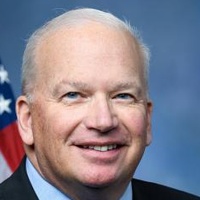
Scott Fitzgerald
Representative
WI
Scott Fitzgerald
Representative
WI
The Promoting Innovation in Blockchain Development Act amends federal law to expand the definition of unlicensed money transmitting businesses. This legislation establishes criminal penalties for individuals who knowingly manage or control unlicensed operations involving currency or digital value substitutes.
This resolution designates Black History Month 2026, honors the contributions of Black Americans through the "Unsung Souls" and "Righteous Intercessors" recognitions, and affirms the importance of a complete national narrative.
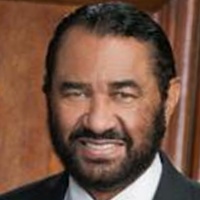
Al Green
Representative
TX
Al Green
Representative
TX
This resolution officially recognizes Black History Month and adopts "A Century of Black History Commemorations" as the theme for 2026. It honors the contributions of Black Americans by establishing categories for "Unsung Souls" and "Righteous Intercessors." Ultimately, the bill affirms that Black history commemorations are essential for a complete national narrative and inspiring future progress toward liberty and justice for all.
This act caps tariffs on essential agricultural inputs imported from countries with normal trade relations at the rates in effect on January 19, 2025.
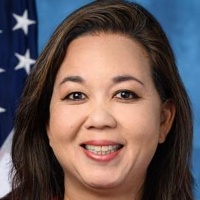
Jill Tokuda
Representative
HI
Jill Tokuda
Representative
HI
The Tariff Free Farming Act aims to stabilize farming costs by capping tariffs on essential agricultural inputs imported from countries with normal trade relations. This legislation locks in the tariff rates for critical items like seed, fertilizer, fuel, and machinery at the levels in effect on January 19, 2025. This prevents the government from imposing higher duties on these necessary supplies, regardless of other legal authorities.
This act mandates that the FAA immediately apply the same flightcrew duty and rest requirements currently used for passenger operations to all-cargo operations.
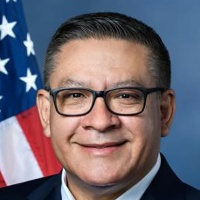
Salud Carbajal
Representative
CA
Salud Carbajal
Representative
CA
The Safe Skies Act of 2026 mandates the Department of Transportation to immediately apply the existing Federal Aviation Administration (FAA) duty and rest requirements for passenger flightcrews to all-cargo operations. This change aims to standardize safety protocols across both sectors. The required modification must be enacted within 30 days of the law's passage.
The GRADUATE Act expands the student loan interest deduction into a broader education loan deduction of up to \$10,000 plus \$500 per dependent, subject to income phase-outs beginning at \$125,000 MAGI.

Dan Goldman
Representative
NY
Dan Goldman
Representative
NY
The GRADUATE Act amends tax law to transform the existing student loan interest deduction into a broader education loan deduction, effective after 2025. This new deduction allows taxpayers to deduct the total amount paid on qualified education loans, up to a maximum of \$10,000 plus an additional \$500 per dependent. The maximum deduction amount is subject to an income-based phase-out, beginning when Modified Adjusted Gross Income (MAGI) exceeds \$125,000 for individuals or \$250,000 for married couples filing jointly.
This bill establishes a politically balanced National Council on African American History and Culture within the National Endowment for the Humanities to advise on policy, monitor preservation efforts, and report on the celebration of African American history and culture.
Kweisi Mfume
Representative
MD
Kweisi Mfume
Representative
MD
This bill establishes the National Council on African American History and Culture within the National Endowment for the Humanities. The Council will consist of 12 presidentially appointed members tasked with advising on national policy related to preserving and celebrating African American history and culture. Its duties include monitoring relevant efforts, evaluating NEH programs, and submitting annual reports. The Council is set to terminate ten years after the law's enactment.
This bill appropriates funding and establishes operational rules for the Department of Homeland Security for Fiscal Year 2026 across management, security, preparedness, and research functions, while imposing strict oversight and spending restrictions.
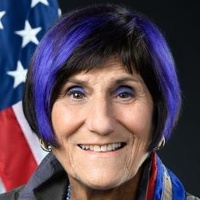
Rosa DeLauro
Representative
CT
Rosa DeLauro
Representative
CT
This bill provides the funding and establishes the operational rules for the Department of Homeland Security (DHS) for Fiscal Year 2026 across all major components, including intelligence, security operations, emergency management, and research. It allocates billions for agencies like TSA, Coast Guard, FEMA, and CISA while imposing strict new requirements for congressional oversight, spending transparency, and management of federal grants. The legislation also includes specific policy directives, such as mandating security screening for senior officials and restricting certain intelligence and contracting activities.
This bill officially recognizes the cultural and historical significance of Mardi Gras, designating it a day of special significance in Mobile, Alabama, as the oldest official home of Carnival in the United States.
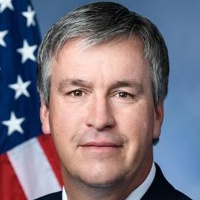
Barry Moore
Representative
AL
Barry Moore
Representative
AL
This bill officially recognizes the deep cultural and historical significance of Mardi Gras in Mobile, Alabama, acknowledging it as the oldest official home of Carnival in the United States, celebrated since 1703. It designates Mardi Gras as a day of special significance to honor this long-standing tradition rooted in the city's history.