
Legislative Activity
Track Lizzie's sponsored bills, co-sponsored legislation, and voting record
This act nullifies a recent Executive Order regarding federal labor relations and ensures existing collective bargaining agreements remain in effect.

Jared Golden
Representative
ME
Jared Golden
Representative
ME
The Protect America's Workforce Act nullifies a specific Executive Order issued in March 2025 concerning exclusions from federal labor-management relations programs. This legislation ensures that any existing collective bargaining agreements between federal agencies and employee unions remain fully in effect until their stated expiration dates. The Act also prohibits the use of federal funds to implement the overturned Executive Order.
This resolution commends state and local governments for championing reproductive rights as human rights while condemning abortion restrictions and criminalization following the *Dobbs* decision.
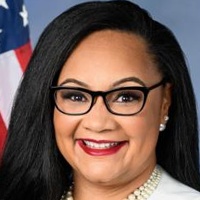
Nikema Williams
Representative
GA
Nikema Williams
Representative
GA
This concurrent resolution commends state and local governments for championing reproductive rights as human rights following the overturning of *Roe v. Wade*. It declares that denying abortion care leads to severe health risks and highlights the criminalization of pregnancy outcomes across the U.S. The resolution urges states to repeal abortion restrictions and affirm that reproductive rights are fundamental human rights.
This bill automatically extends the National Flood Insurance Program's operating authority until the end of the fiscal year following its current expiration unless Congress acts otherwise.
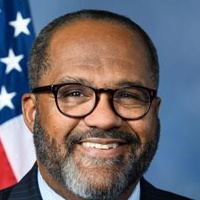
Troy Carter
Representative
LA
Troy Carter
Representative
LA
This bill establishes the National Flood Insurance Program Automatic Extension Act of 2025 to prevent lapses in flood insurance coverage. It institutes an automatic renewal mechanism that extends the program's operating authorities until the end of the fiscal year following its scheduled expiration, unless Congress acts otherwise. This ensures FEMA can continue to issue contracts, pay claims, and operate the program seamlessly. The extension maintains all existing terms, rates, and financial limits in effect prior to the termination date.
This bill establishes new requirements, time limits, and Congressional approval for Department of Defense support to civilian law enforcement, prohibits dual service in the DoD and civilian law enforcement, and creates a private right of action for violations.
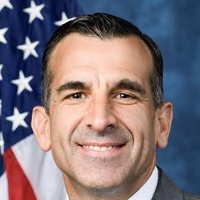
Sam Liccardo
Representative
CA
Sam Liccardo
Representative
CA
The Military in Law Enforcement Accountability Act establishes new requirements and strict time limits for the Department of Defense when providing support to civilian law enforcement agencies, requiring prior Congressional notification and justification. It also prohibits Department of Defense personnel from simultaneously serving in civilian law enforcement roles, with limited exceptions for reservists. Furthermore, the bill broadens the circumstances under which military and federal law enforcement can assist civil authorities and creates a private right of action for violations of the Act.
This Act officially recognizes the installation of mechanical insulation in federal buildings as a qualifying energy or water efficiency measure.
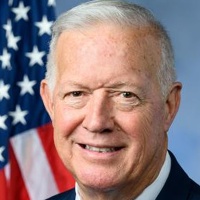
Randy Weber
Representative
TX
Randy Weber
Representative
TX
The Federal Mechanical Insulation Act officially recognizes the installation of mechanical insulation in federal buildings as a qualifying energy or water efficiency measure. This legislation defines compliant mechanical insulation as meeting or exceeding ASHRAE Standard 90.1 requirements and resulting in energy loss reduction. Furthermore, the Act mandates that comprehensive evaluations of federal buildings must identify these specific energy and water-saving insulation opportunities.
This bill repeals harmful provisions of a previous act, exempts unaccompanied children from various immigration fees, and restricts the use of their sponsor information for enforcement purposes.

Dan Goldman
Representative
NY
Dan Goldman
Representative
NY
The Upholding Protections for Unaccompanied Children Act of 2025 seeks to reverse harmful provisions affecting unaccompanied children. This bill eliminates various immigration-related fees for current and former unaccompanied children, including those for asylum and employment authorization. It also prohibits physically intrusive medical examinations and restricts the sharing of sponsor information with immigration enforcement agencies. Furthermore, the Act mandates the refunding of previously paid fees.
The Dignity for Detained Immigrants Act establishes comprehensive standards, rigorous oversight, and new custody procedures to ensure humane treatment and due process for all noncitizens detained by the Department of Homeland Security, while phasing out for-profit detention facilities.
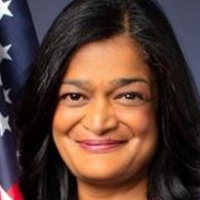
Pramila Jayapal
Representative
WA
Pramila Jayapal
Representative
WA
The Dignity for Detained Immigrants Act aims to overhaul immigration detention by establishing mandatory, high standards based on ABA guidelines and increasing transparency through rigorous, unannounced inspections. The bill prohibits the use of private, for-profit detention facilities within three years and ends the mandatory detention of most noncitizens, prioritizing release or community-based alternatives. Furthermore, it establishes new due process rights, including timely custody hearings, a presumption of release, and prohibitions on detaining children or using solitary confinement.
The College Athletics Reform Act establishes Name, Image, and Likeness (NIL) rights for college athletes, regulates sports agents, creates a commission to study college sports governance, and expands financial disclosure requirements for institutions.
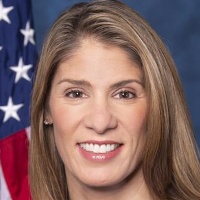
Lori Trahan
Representative
MA
Lori Trahan
Representative
MA
The College Athletics Reform Act establishes comprehensive federal standards for college athletics, primarily by securing Name, Image, and Likeness (NIL) rights for college athletes and prohibiting restrictions on their ability to earn compensation or obtain professional representation. The bill also introduces new regulations for sports agents, mandates significant expansion of financial and participation data disclosure by institutions, and establishes a new Commission to study and recommend future governance structures for college sports. Finally, it amends broadcasting law to exempt certain large athletic association media agreements from antitrust scrutiny.
The Mikaela Naylon Give Kids a Chance Act primarily focuses on enhancing pediatric drug research, ensuring completion of pediatric study requirements, extending incentives for rare pediatric disease treatments, and making targeted updates to FDA and organ transplant network operations.
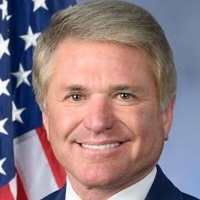
Michael McCaul
Representative
TX
Michael McCaul
Representative
TX
The Mikaela Naylon Give Kids a Chance Act focuses primarily on improving pediatric drug development and ensuring patient access to necessary treatments. This legislation mandates new research requirements for molecularly targeted pediatric cancer drugs, strengthens FDA enforcement of pediatric study completion, and extends incentives for developing drugs for rare pediatric diseases. Additionally, the bill updates organ transplant network functions and establishes an Abraham Accords Office within the FDA to enhance international regulatory cooperation.
This bill expands Medicare drug price negotiation to private insurance, applies inflation rebates to commercial drugs, and establishes annual out-of-pocket limits for prescription drugs under private health insurance.

Frank Pallone
Representative
NJ
Frank Pallone
Representative
NJ
The Lowering Drug Costs for American Families Act aims to significantly reduce prescription drug expenses for consumers. It expands the federal drug price negotiation program to cover more drugs and extends negotiated prices to most private health insurance plans. Furthermore, the bill applies inflation rebates to the commercial market and establishes new annual out-of-pocket spending caps for prescription drugs under private insurance starting in 2027. It also sets specific, lower cost-sharing requirements for covered insulin products.
This resolution recognizes the epidemic of violence against transgender people, memorializes those lost this year, and calls for action to ensure their safety and dignity.
Pramila Jayapal
Representative
WA
Pramila Jayapal
Representative
WA
This resolution supports the goals of Transgender Day of Remembrance by recognizing the ongoing epidemic of violence targeting transgender people, particularly transgender women of color. It memorializes the lives lost this year and highlights the systemic barriers, including discrimination and lack of healthcare access, faced by the transgender community. The bill calls for urgent action from the government to protect these lives through inclusive legislation and policies that ensure dignity and respect for all individuals.
This Act prohibits discrimination based on religion, sex, or marital status in federally funded child welfare services to improve outcomes for all children, especially LGBTQ youth.
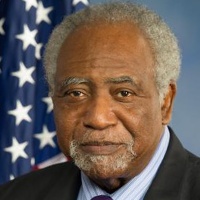
Danny Davis
Representative
IL
Danny Davis
Representative
IL
The John Lewis Every Child Deserves a Family Act prohibits discrimination based on religion, sex, or marital status in federally funded child welfare services. This aims to increase the number of stable, family-like placements for children, especially for LGBTQ youth who are overrepresented in foster care. The bill mandates federal guidance, training, and data collection to improve safety and well-being outcomes for all children involved in the system.
This act mandates Medicare coverage for FDA-approved early detection screening tests for Alzheimer's disease and related dementias beginning in 2028.
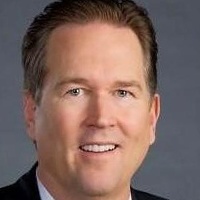
Vern Buchanan
Representative
FL
Vern Buchanan
Representative
FL
The Alzheimer’s Screening and Prevention Act of 2025 (ASAP Act) amends Medicare to cover early detection screening tests for Alzheimer's disease and related dementias starting in 2028. This coverage applies to FDA-cleared tests, including genomic sequencing and other equivalent diagnostic methods, designed to detect pre-symptomatic or early-stage conditions. The bill ensures these screenings are added to the list of covered medical services under Medicare.
This bill establishes sanctions against foreign individuals responsible for human rights violations against LGBTQI people and mandates enhanced tracking and reporting of such abuses in annual human rights reports.
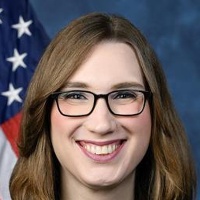
Sarah McBride
Representative
DE
Sarah McBride
Representative
DE
The Global Respect Act aims to promote and protect the human rights of LGBTQI individuals worldwide. It mandates the President to identify and report foreign persons responsible for human rights violations against LGBTQI people, leading to their inadmissibility to the United States. Furthermore, the Act requires enhanced tracking and reporting of violence and discrimination targeting individuals based on sexual orientation, gender identity, or sex characteristics in the annual human rights reports.
This act repeals specific sections of a prior reconciliation act to restore previous laws affecting American families and farmers.
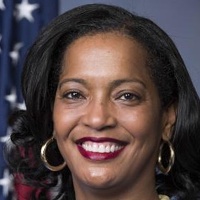
Jahana Hayes
Representative
CT
Jahana Hayes
Representative
CT
The Restoring Food Security for American Families and Farmers Act of 2025 aims to strengthen domestic food security by repealing specific sections of a prior reconciliation act. This action effectively revives the original laws that were previously amended by the repealed provisions. The bill seeks to revert existing agricultural and food-related statutes to their pre-amendment status.
This bill amends the Revised Statutes to redefine the scope of civil actions that can be brought against individuals acting under the authority of the United States.

Henry Johnson
Representative
GA
Henry Johnson
Representative
GA
The Bivens Act of 2025 amends existing law to redefine the scope of civil actions that can be brought against individuals acting under federal authority. This legislation specifically revises Section 1979 of the Revised Statutes concerning such lawsuits. The core change narrows the focus of these civil actions to exclusively target persons acting under the authority of the United States.
This resolution expresses condolences for the victims of the July 4 Texas floods, honors heroic efforts, and pledges continued support for recovery.

Chip Roy
Representative
TX
Chip Roy
Representative
TX
This resolution expresses the House's deep condolences for the lives lost during the catastrophic July 4th flooding in the Texas Hill Country. It honors the heroism of first responders and volunteers who aided in rescue efforts. Furthermore, the resolution commits the House to stand with the impacted communities in their ongoing recovery and rebuilding process.
This bill establishes a permanent Special Envoy for the Human Rights of LGBTQI+ Peoples within the Department of State to advance U.S. policy countering global criminalization, violence, and discrimination against LGBTQI+ individuals.
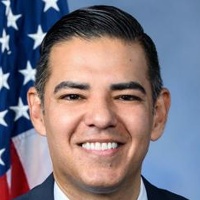
Robert Garcia
Representative
CA
Robert Garcia
Representative
CA
This bill, the International Human Rights Defense Act of 2025, establishes a permanent Special Envoy for the Human Rights of LGBTQI+ Peoples within the Department of State. It codifies U.S. policy to actively combat international criminalization, violence, and discrimination against LGBTQI+ individuals worldwide. The legislation also mandates enhanced reporting on these abuses in annual human rights reports and authorizes assistance to support related protection efforts abroad.
This act repeals Senate notification requirements related to legal processes concerning Senate data and mandates the disgorgement of any funds awarded to Senators under the repealed provisions.
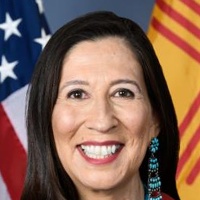
Teresa Leger Fernandez
Representative
NM
Teresa Leger Fernandez
Representative
NM
The No Payola Act repeals existing Senate notification requirements concerning legal processes related to the disclosure of Senate data. Furthermore, it mandates that any Senator who received funds through a private right of action under the repealed law must return those awarded funds to the Treasury.
This Act establishes strict standards, training, and reporting requirements for federal immigration enforcement personnel regarding the use of force, identification, and equipment.
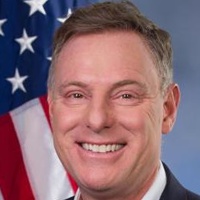
Scott Peters
Representative
CA
Scott Peters
Representative
CA
The Stop Excessive Force in Immigration Act of 2025 establishes strict new standards for the use of non-deadly force by federal immigration personnel, requiring proportionality and de-escalation efforts. The bill mandates identification requirements, restricts the use of certain crowd-control equipment, and imposes new body camera and detailed reporting mandates. Furthermore, it creates affirmative duties for officers to intervene against excessive force and requires annual training on these new policies.