Legislative Activity
Track Lois's sponsored bills, co-sponsored legislation, and voting record
This bill reauthorizes key grant and education programs under the Virginia Graeme Baker Pool and Spa Safety Act for fiscal years 2025 through 2027.
Debbie Wasserman Schultz
Representative
FL
Debbie Wasserman Schultz
Representative
FL
This bill reauthorizes key programs under the Virginia Graeme Baker Pool and Spa Safety Act. Specifically, it extends funding for state and community safety improvement grants and related education and awareness initiatives through fiscal year 2027. The purpose is to ensure continued support for vital pool and spa safety efforts.
The EACH Act of 2025 mandates that all federally funded health programs and facilities must cover and provide abortion services, while also prohibiting federal interference with private insurance coverage.
Ayanna Pressley
Representative
MA
Ayanna Pressley
Representative
MA
The EACH Act of 2025 aims to ensure equal access to abortion coverage by requiring all federally funded health programs and facilities to cover abortion services. This legislation prohibits federal interference with state or private insurance coverage of abortion and repeals Section 1303 of the Affordable Care Act. Ultimately, the bill seeks to eliminate financial and insurance barriers to abortion care, particularly for low-income individuals relying on programs like Medicaid.
This constitutional amendment prohibits immunity from criminal prosecution for federal officials based on their official duties and bars the President from self-pardoning.
Joseph Morelle
Representative
NY
Joseph Morelle
Representative
NY
This proposed constitutional amendment would eliminate immunity from criminal prosecution for federal officials, including the President, based on their official duties. It also explicitly prohibits the President from issuing a self-pardon for any federal crimes. If ratified, these changes would take effect immediately.
This Act guarantees individuals the right to obtain and receive information about FDA-approved medicines and protects healthcare providers who offer them from restrictive government rules.
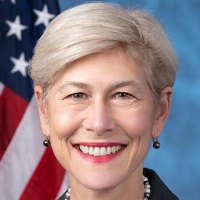
Deborah Ross
Representative
NC
Deborah Ross
Representative
NC
The Right to FDA-Approved Medicines Act guarantees individuals the right to obtain and receive information about medicines already approved by the FDA. This law preempts and overrides conflicting federal and state regulations that restrict access to or the provision of these approved drugs by healthcare providers. It establishes strong enforcement mechanisms, allowing both the Attorney General and private citizens to sue states that violate these protections.
This Act prohibits the destruction of U.S. foreign aid supplies like food and medicine, mandating their delivery or donation to intended recipients before expiration to save lives and taxpayer dollars.
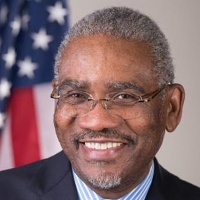
Gregory Meeks
Representative
NY
Gregory Meeks
Representative
NY
The Saving Lives and Taxpayer Dollars Act aims to ensure that U.S. foreign assistance commodities, such as food and medicine, are delivered to those in need rather than being destroyed. This legislation mandates that aid supplies must be distributed before they expire or spoil, thereby maximizing the humanitarian impact of U.S. aid. Furthermore, it establishes strict reporting requirements to track and prevent the waste of these vital resources. The bill highlights that effective foreign aid supports global health, strengthens the U.S. economy, and benefits American agriculture.
This Act prohibits federal funding for immigration detention facilities in the Everglades ecosystem and mandates unannounced Congressional access and an Inspector General review of any existing facilities in the area.
Debbie Wasserman Schultz
Representative
FL
Debbie Wasserman Schultz
Representative
FL
The No Cages in the Everglades Act prohibits the Department of Homeland Security from using any federal funds to operate or build immigration detention facilities within the Everglades ecosystem. The bill also mandates immediate, unannounced access for Members of Congress to all immigration detention centers for oversight purposes. Furthermore, it requires the DHS Inspector General to conduct a comprehensive review of any existing detention facilities in the area.
This bill places a temporary moratorium on the closure or restriction of access to National Oceanic and Atmospheric Administration (NOAA) facilities until 180 days after a required justification report is submitted to Congress.
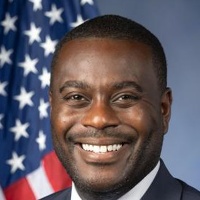
Gabe Amo
Representative
RI
Gabe Amo
Representative
RI
The Stop NOAA Closures Act places a temporary moratorium on the closure or restriction of access to any National Oceanic and Atmospheric Administration (NOAA) facilities. This freeze remains in effect until 180 days after key officials submit a required report to Congress detailing the criteria and process for any future facility changes. After the moratorium lifts, any major facility action will still require a 30-day advance notice and justification report to Congress, except in cases of immediate emergency threatening staff safety.
This Act mandates federal standards requiring employers to implement comprehensive heat illness and injury prevention programs to protect workers from dangerous heat stress.
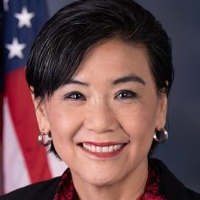
Judy Chu
Representative
CA
Judy Chu
Representative
CA
The Asunción Valdivia Heat Illness, Injury, and Fatality Prevention Act of 2025 mandates that employers protect workers from dangerous heat stress by establishing comprehensive safety standards. This Act requires the Secretary of Labor to create evidence-based rules covering engineering controls, administrative procedures, required training, and paid rest breaks to prevent heat-related illness. Furthermore, the law establishes strict enforcement mechanisms, whistleblower protections, and specific timelines for the implementation of these new federal heat protection standards.
This comprehensive act establishes federal entitlements and grants to ensure access to affordable, high-quality child care and universal preschool for young children while significantly increasing compensation for early childhood educators.
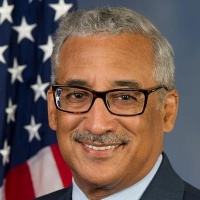
Robert Scott
Representative
VA
Robert Scott
Representative
VA
The Child Care for Working Families Act establishes comprehensive federal programs to ensure access to high-quality, affordable child care and universal preschool for young children. The legislation creates an entitlement program for child care, mandates that provider reimbursement rates cover actual costs and ensure living wages for staff, and establishes free, universal preschool for 3- and 4-year-olds. Additionally, it provides dedicated funding to stabilize childcare providers and extend the operating hours and compensation for Head Start staff.
This bill authorizes the creation and sale of commemorative coins for the 2028 Los Angeles and 2034 Salt Lake City Olympic and Paralympic Games to help fund the events, with all surcharges going to the respective organizing committees after covering production costs.
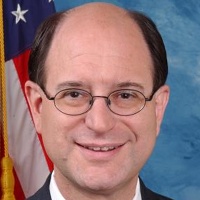
Brad Sherman
Representative
CA
Brad Sherman
Representative
CA
This Act authorizes the Secretary of the Treasury to mint and sell special commemorative coins for the 2028 Los Angeles Olympic and Paralympic Games and the 2034 Salt Lake City Winter Olympic and Paralympic Games. The coins will feature designs celebrating American athletes and the Games themselves. All surcharges collected from the sale of these coins will be directed to the respective organizing committees to help fund the events and related youth sports programs. The entire program must be conducted at no cost to the U.S. Government.
This resolution formally recognizes the significant and persistent wage gap disproportionately affecting Black women in the United States.
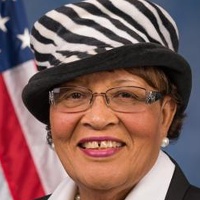
Alma Adams
Representative
NC
Alma Adams
Representative
NC
This resolution formally recognizes the significant and persistent wage disparity faced by Black women in the United States. It highlights that despite existing equal pay laws, Black women earn substantially less than their male counterparts, leading to massive lifetime earnings losses. Congress uses this measure to emphasize the urgent need to address both racial and gender discrimination to achieve true pay equity.
This bill establishes a grant program to help high-need school districts hire, retain, and diversify mental health professionals to expand student access to services.
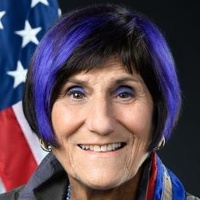
Rosa DeLauro
Representative
CT
Rosa DeLauro
Representative
CT
The Expanding Access to Mental Health Services in Schools Act of 2025 establishes a new federal grant program to increase the number of mental health professionals in high-need school districts. This funding is specifically designed to help eligible agencies recruit, hire, and retain school counselors, psychologists, and social workers. Grantees must demonstrate a plan to improve student-to-provider ratios and report annually on staffing improvements and provider retention.
This resolution condemns Russia's forced deportation and Russification of Ukrainian children and demands their return before any final peace agreement is reached.
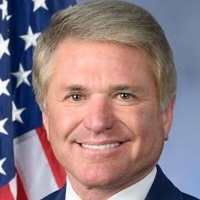
Michael McCaul
Representative
TX
Michael McCaul
Representative
TX
This resolution strongly condemns Russia for the abduction and forced "Russification" of Ukrainian children, highlighting these actions as grave violations of international law. It emphasizes that these children must be safely returned to Ukraine before any final peace agreement to end the war is considered. The document also underscores the heightened risks of trafficking, violence, and trauma faced by Ukrainian children due to the ongoing invasion.
This Act mandates annual appropriations law training for certain federal employees in covered positions and establishes penalties for noncompliance.

Marcy Kaptur
Representative
OH
Marcy Kaptur
Representative
OH
The Appropriations Compliance and Training Act mandates annual training on federal appropriations law for certain high-level government employees in covered positions. This ensures employees handling federal funds understand key spending rules, such as the bona fide needs rule and relevant statutes. Agencies must track completion, and non-compliant employees face escalating penalties, including loss of spending authority and IT access.
This bill establishes an Office of LGBTQI Inclusion within the Administration on Aging, mandates data collection on discrimination, and ensures services under the Older Americans Act are accessible and culturally competent for LGBTQI older adults.
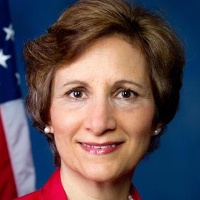
Suzanne Bonamici
Representative
OR
Suzanne Bonamici
Representative
OR
The Ruthie and Connie LGBTQI Elder Americans Act of 2025 aims to improve services and support for older adults who identify as LGBTQI. This bill establishes a new Office of LGBTQI Inclusion within the Administration on Aging and mandates the creation of a National Resource Center on LGBTQI Aging. Furthermore, it updates definitions, ensures eligibility for federal grants, and requires specific data collection on discrimination faced by this population in aging services.
The CONNECT for Health Act of 2025 permanently expands Medicare telehealth access by removing geographic restrictions, increasing practitioner flexibility, bolstering program integrity, and mandating supports for quality remote care delivery.
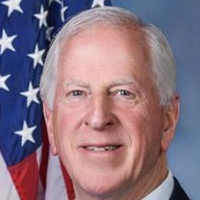
Mike Thompson
Representative
CA
Mike Thompson
Representative
CA
The CONNECT for Health Act of 2025 significantly expands and permanently secures access to Medicare telehealth services by eliminating outdated geographic restrictions and allowing more practitioners to offer remote care. The bill also strengthens program integrity by dedicating funds for telehealth oversight while clarifying rules around providing necessary technology to patients. Finally, it mandates the creation of tailored educational resources and public reporting to improve quality measurement and transparency in remote care delivery.
The Women’s Health Protection Act of 2025 establishes a federal right to access abortion services before fetal viability and protects the right to travel for care, overriding state restrictions that place burdens on abortion access not imposed on comparable medical procedures.
Judy Chu
Representative
CA
Judy Chu
Representative
CA
The Women’s Health Protection Act of 2025 establishes a federal statutory right to access abortion services, prohibiting medically unnecessary restrictions that impede care before fetal viability. This Act protects the right of patients to travel across state lines to receive reproductive healthcare and allows providers to offer services free from state interference that conflicts with established medical standards. It preempts conflicting state and local laws and provides robust enforcement mechanisms for individuals and the Attorney General to challenge violations.
This Act prohibits states from interfering with or penalizing individuals who provide, receive, or facilitate abortion services that are legal in the state where the service occurs, including interstate travel for such care.

Lizzie Fletcher
Representative
TX
Lizzie Fletcher
Representative
TX
The Ensuring Women’s Right to Reproductive Freedom Act prohibits states from interfering with or retaliating against individuals who provide or receive abortion services that are legal in the state where the service occurs. This protection extends to interstate travel for legal abortion care and the movement of FDA-approved abortion-related drugs across state lines. Individuals harmed by violations can sue in federal court for damages and legal fees.
This Act mandates that pharmacies must promptly provide or facilitate access to FDA-approved contraception and related medications, prohibiting discrimination and interference in dispensing these products.
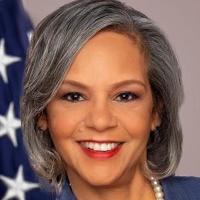
Robin Kelly
Representative
IL
Robin Kelly
Representative
IL
The Access to Birth Control Act establishes federal requirements for pharmacies to ensure timely and non-discriminatory access to FDA-approved contraception and related medications. Pharmacies must immediately dispense in-stock items or promptly refer customers or order out-of-stock products. This law prohibits employee interference, misinformation, or harassment, while also setting penalties for non-compliance.
This bill establishes a strict, last-resort framework requiring explicit Congressional approval for the President to deploy U.S. Armed Forces domestically to suppress insurrection or quell severe domestic violence.

Chris Deluzio
Representative
PA
Chris Deluzio
Representative
PA
The Insurrection Act of 2025 completely rewrites the rules governing when the President can deploy the U.S. Armed Forces domestically to suppress insurrection or quell severe domestic violence. This deployment is strictly limited to being a last resort, requiring specific triggers such as overwhelming local failure or the denial of constitutional rights. Before acting, the President must issue a proclamation and provide a detailed report to Congress, whose approval is required to extend military authority beyond seven days. The Act also establishes expedited congressional procedures for reviewing and approving the deployment and allows for judicial review of the President's legal basis for action.