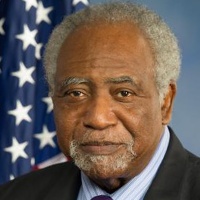
Legislative Activity
Track Danny's sponsored bills, co-sponsored legislation, and voting record
This bill mandates the NIH to study and report on the development of a standardized, noninvasive HPV test for men to close a critical gap in cancer prevention and public health equity.
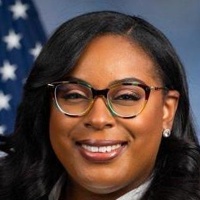
LaMonica McIver
Representative
NJ
LaMonica McIver
Representative
NJ
The Closing the HPV Testing Gap Act directs the National Institutes of Health (NIH) to conduct a comprehensive study on developing a standardized, noninvasive HPV test for men. This action aims to close a critical gap in cancer prevention and public health surveillance, which currently lacks FDA-approved testing for men. The resulting report will provide recommendations for research, implementation, and interagency coordination to advance gender equity in cancer prevention efforts.
The Fostering the Future Act expands education, training, housing, and support services for youth who have experienced foster care, lowering eligibility ages and increasing financial assistance.
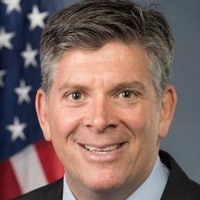
Darin LaHood
Representative
IL
Darin LaHood
Representative
IL
The Fostering the Future Act aims to significantly improve opportunities and support for youth who have experienced foster care. This legislation expands access to education and workforce training vouchers, increases financial support amounts, and improves access to stable housing. Furthermore, it enhances support services, including legal counseling and tailored resources for expectant and parenting foster youth.
This bill establishes a demonstration project for states to test alternative payment models in Medicaid and CHIP to improve maternal health outcomes for pregnant and postpartum individuals.

Janice Schakowsky
Representative
IL
Janice Schakowsky
Representative
IL
The IMPACT to Save Moms Act establishes a demonstration project for states to test alternative payment models for maternity care within Medicaid and CHIP programs. This project aims to improve maternal health outcomes, particularly for high-risk groups, by considering factors like risk stratification and social determinants of health. The Secretary of HHS must evaluate the project's impact and report recommendations to Congress on potential national expansion.
This bill imposes a 100% tax and public reporting requirements on certain settlement payments received by former Presidents, their families, and related entities from civil actions against the United States.
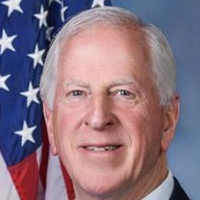
Mike Thompson
Representative
CA
Mike Thompson
Representative
CA
The SLUSH FUND Act of 2026 imposes a 100% tax on certain settlement payments received by former Presidents, their families, and related entities from funds originating from civil actions against the United States. This new tax is treated separately from standard income tax and cannot be deducted. The Act also mandates strict reporting requirements for those making these payments, with penalties for non-compliance.
The **Protecting Our Democracy Act** imposes sweeping restrictions on presidential power, enhances congressional oversight, strengthens ethics and anti-corruption laws, and bolsters accountability for federal officials.
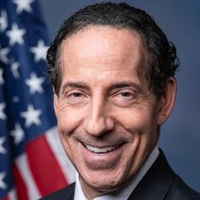
Jamie Raskin
Representative
MD
Jamie Raskin
Representative
MD
The **Protecting Our Democracy Act** imposes sweeping reforms across the executive branch to strengthen accountability and restore checks and balances. It restricts presidential pardon power, closes loopholes to ensure no President is above the law, and enforces constitutional emoluments clauses to prevent self-enrichment. Furthermore, the Act enhances congressional oversight by strengthening subpoena enforcement, increasing transparency around White House visitors and tax returns, and protecting federal whistleblowers from retaliation.
This bill restricts the Department of Housing and Urban Development (HUD) from sharing personal information about housing assistance recipients except for benefit verification and determination purposes.

Dan Goldman
Representative
NY
Dan Goldman
Representative
NY
The HUD Data Privacy Act of 2026 establishes strict limits on how the Department of Housing and Urban Development can share personal information collected from housing assistance recipients. Information may only be shared with other entities for the specific purposes of benefit qualification verification and benefit determination. This Act explicitly prohibits the use of shared data for civil immigration enforcement purposes.
This bill establishes comprehensive standards for the care, housing, and treatment of pregnant women in federal custody, including mandated data collection, prohibitions on restrictive housing and restraints, and requirements for family unity services.
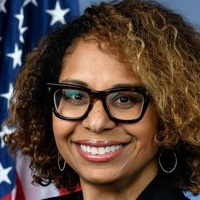
Sydney Kamlager-Dove
Representative
CA
Sydney Kamlager-Dove
Representative
CA
The Pregnant Women in Custody Act aims to establish comprehensive standards for the care, health services, and housing of pregnant individuals in federal custody, including those held by the Bureau of Prisons, CBP, ICE, and ORR. The bill mandates extensive data collection on the health needs of incarcerated pregnant women and strictly prohibits the use of restraints and restrictive housing during pregnancy, labor, and postpartum recovery, with very limited exceptions. Furthermore, it requires federal agencies to provide essential services like family unity programs, specialized medical care, and comprehensive education for pregnant and postpartum individuals.
This act repeals Executive Order 14399 and cancels related contracts and funding.
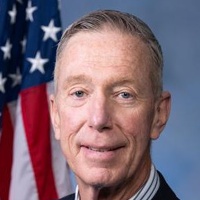
Stephen Lynch
Representative
MA
Stephen Lynch
Representative
MA
The Vote by Mail Protection Act of 2026 officially establishes its name and immediately repeals Executive Order 14399. This action cancels any existing contracts made under that order and prohibits the use of agency funds to support its related activities.
This resolution designates the week of May 4 through May 8, 2026, as Teacher Appreciation Week while recognizing the critical role and priorities of the nation's public school teachers.
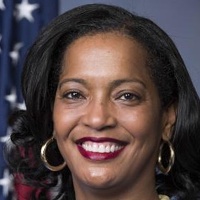
Jahana Hayes
Representative
CT
Jahana Hayes
Representative
CT
This resolution officially designates the week of May 4 through May 8, 2026, as Teacher Appreciation Week. It recognizes the vital role of public school teachers and highlights their key priorities, including support for existing federal protections and funding. Furthermore, the bill encourages leaders to engage directly with teachers to ensure their expertise informs education policy.
This resolution commends U.S. public servants for their dedication to defending the Constitution, delivering essential services, and supporting the economy, particularly during Public Service Recognition Week.
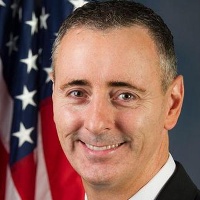
Brian Fitzpatrick
Representative
PA
Brian Fitzpatrick
Representative
PA
This resolution expresses the sense of the House of Representatives commending public servants for their dedication to defending the Constitution and delivering essential services to the American people. It specifically designates the week of May 3 through May 9, 2026, as Public Service Recognition Week. The bill honors the millions of federal, state, and local employees and uniformed service members who support the economy and democratic foundations of the nation.
This act prohibits public stock buybacks and mandates that large companies reserve at least one-third of their board seats for employee-elected representatives.
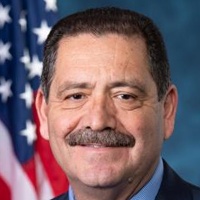
Jesús García
Representative
IL
Jesús García
Representative
IL
The Reward Work Act aims to shift corporate focus from shareholder enrichment to worker investment. It achieves this by prohibiting publicly traded companies from conducting open market stock buybacks and mandating that large companies reserve at least one-third of their board seats for employee representatives. This legislation requires the SEC to establish regulations ensuring fair employee elections for these director positions.
This resolution demands the President provide the House with records concerning the alleged copying and sharing of sensitive Social Security Administration data by a Department of Government Efficiency individual, and any related statements about a presidential pardon.
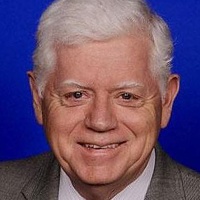
John Larson
Representative
CT
John Larson
Representative
CT
This resolution demands the President provide the House of Representatives with specific records concerning the alleged unauthorized copying and sharing of sensitive Social Security Administration data (like NUMIDENT and death information) by an individual associated with the Department of Government Efficiency. It also seeks documents related to any reported expectations of a presidential pardon concerning these actions. The requested materials must be delivered within 14 days of the resolution's adoption.
This bill officially designates May 2026 as Asian American, Native Hawaiian, and Pacific Islander Heritage Month to celebrate their significant contributions to U.S. history and culture.
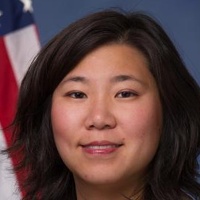
Grace Meng
Representative
NY
Grace Meng
Representative
NY
This bill officially designates May 2026 as Asian American, Native Hawaiian, and Pacific Islander Heritage Month. It calls for nationwide recognition and celebration of the significant contributions, achievements, and history of these communities to the United States. The measure emphasizes that these communities enhance the nation's diversity and strength.
This bill establishes an excise tax on PFAS chemicals and creates a corresponding federal tax credit for public water systems that remediate PFAS contamination.
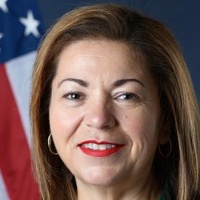
Linda Sánchez
Representative
CA
Linda Sánchez
Representative
CA
The PFAS Cleanup Act establishes a new excise tax on the sale or use of PFAS "forever chemicals" to generate revenue for remediation efforts. It also creates a federal tax credit for public water systems that incur qualified expenses to remove PFAS contamination exceeding EPA safety standards. This legislation aims to address the significant health and social costs associated with PFAS pollution.
The New Pathways Act requires the Bureau of Prisons to help certain prisoners obtain necessary identification documents, including REAL ID-compliant cards for citizens, before their release.
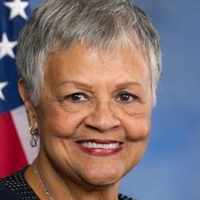
Bonnie Watson Coleman
Representative
NJ
Bonnie Watson Coleman
Representative
NJ
The New Pathways Act amends the Second Chance Act to require the Bureau of Prisons to assist certain returning citizens in obtaining crucial identification documents before their release. This includes providing U.S. citizens with a REAL ID-compliant identification card and helping noncitizens secure proof of lawful status. The goal is to ensure individuals have necessary documentation for successful reentry into their communities.
This bill amends the Social Security Act to improve support, services, and resource coordination for pregnant and parenting youth in foster care.
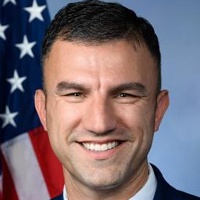
Rudy Yakym
Representative
IN
Rudy Yakym
Representative
IN
This bill, the Support for Expectant and Parenting Foster Youth Act, aims to significantly improve support for pregnant and parenting youth currently in or transitioning out of foster care. It mandates that states enhance their foster care plans to include specialized parenting support services and caseworker training for these youth. Furthermore, the legislation requires better data collection on this population and ensures these young parents are connected with evidence-based home visiting and resource coordination services.
This bill establishes a grant program to provide employment skills, work experience, and expanded educational opportunities for current and former foster youth aged 14 to 26.

Max Miller
Representative
OH
Max Miller
Representative
OH
The Foster Youth Workforce Opportunity Act establishes a grant program to help current and former foster youth gain vital employment skills and work experience. This legislation expands educational and training opportunities for individuals who experienced foster care, lowering the entry age and broadening eligibility for support services. The bill authorizes significant funding to provide job training, internships, educational assistance, and supportive services for youth aged 14 to 26.
This bill nullifies three specific Department of State rules regarding foreign assistance, effectively voiding their implementation and preventing enforcement of similar future policies.
Grace Meng
Representative
NY
Grace Meng
Representative
NY
This Act nullifies three specific Department of State rules concerning foreign assistance, effectively treating them as if they never existed. It prohibits any federal agency from implementing or enforcing these rules, or any substantially similar future policies. The legislation aims to prevent the enforcement of rules related to "Protecting Life," "Discriminatory Equity Ideology," and "Gender Ideology" in foreign aid.
The CONNECT Act updates the Chafee Foster Care Program to focus on helping youth who experienced foster care develop supportive relationships and actively participate in their permanency planning.
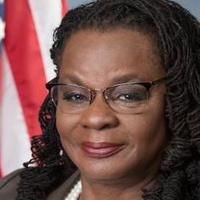
Gwen Moore
Representative
WI
Gwen Moore
Representative
WI
The CONNECT Act updates the purposes of the Chafee Foster Care Program to focus on helping older youth in foster care develop and maintain supportive relationships and connections. It also strengthens the rights of these youth to participate in their permanency planning process. The bill mandates new guidance for state and tribal agencies on best practices for mentoring, peer support, and documenting relationship-building activities.
The Long-Term Care Workforce Support Act aims to significantly improve the pay, training, working conditions, and stability of the direct care workforce through federal funding, new labor protections, and national compensation strategies.

Debbie Dingell
Representative
MI
Debbie Dingell
Representative
MI
The Long-Term Care Workforce Support Act aims to significantly improve the lives of direct care professionals by increasing their pay, benefits, and training opportunities through federal funding and grants. The bill establishes new labor protections, including fair scheduling, paid sick leave, and workplace violence prevention plans. Ultimately, this legislation seeks to stabilize the essential long-term care workforce to ensure better quality care for older adults and people with disabilities.