This bill imposes a 100% tax and public reporting requirements on certain settlement payments received by former Presidents, their families, and related entities from civil actions against the United States.
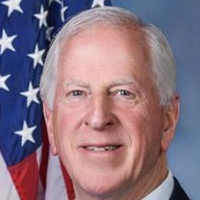
Mike Thompson
Representative
CA-4
The SLUSH FUND Act of 2026 imposes a 100% tax on certain settlement payments received by former Presidents, their families, and related entities from funds originating from civil actions against the United States. This new tax is treated separately from standard income tax and cannot be deducted. The Act also mandates strict reporting requirements for those making these payments, with penalties for non-compliance.
SLUSH FUND Act Imposes 100% Tax on Federal Lawsuit Settlements for Former Presidents and Families Starting May 2026
The SLUSH FUND Act of 2026 introduces a specialized tax aimed squarely at the bank accounts of former Commanders-in-Chief and their inner circles. Under this bill, any money received from a settlement fund, trust, or account resulting from a civil lawsuit against the United States government will be taxed at exactly 100%. This effectively means that if a former President or a close relative wins a financial settlement from the federal government, they won't keep a single cent of it; the entire amount is redirected back to the IRS as a non-deductible tax.
The Family and Business Net
This isn't just about the person who lived in the Oval Office. The bill casts a wide net by defining a 'specified person' to include spouses, children, grandchildren, parents, and even siblings. It also covers any business or entity 'controlled' by these individuals. For example, if a former President’s adult child runs a real estate LLC that wins a civil judgment against the U.S. government for a property dispute, that entire settlement would be subject to this 100% tax. By using the tax code's existing definitions for family and business control, the bill ensures that legal payouts cannot be easily diverted to relatives or side businesses to avoid the tax man.
Radical Transparency and Heavy Penalties
The bill adds a layer of public exposure to these financial dealings. Starting May 20, 2026, any trustee or administrator who cuts a check from one of these settlement funds must file a report with the IRS. More importantly, the IRS is required to make these records public within one month of receiving them. This turns private legal settlements into public record almost instantly. If someone tries to dodge this tax, the bill doesn't play around: it hits the taxpayer with an additional penalty equal to 50% of the tax owed. This means an attempt to hide a $1 million settlement could result in owing the government $1.5 million.
Implementation Hurdles and Broad Definitions
While the goal is transparency, the bill’s language introduces some significant 'gray areas' that could lead to messy legal battles. The term 'controlled' is broad; in the business world, determining who actually calls the shots in a complex corporation can take years of litigation. There is also the question of fairness regarding family members who may have independent business interests completely unrelated to the former President's political career. Because the tax is so absolute—taking 100% of the proceeds—it essentially removes the financial incentive for these specific individuals to ever sue the federal government for legitimate grievances, which could be seen as a targeted restriction on their legal rights compared to every other American citizen.