Legislative Activity
Track Herbert's sponsored bills, co-sponsored legislation, and voting record
This act establishes a dedicated unit within the Department of Justice to enhance the investigation and prosecution of international trade-related crimes, such as smuggling, money laundering, and duty evasion.
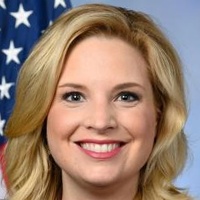
Ashley Hinson
Representative
IA
Ashley Hinson
Representative
IA
The Protecting American Industry and Labor from International Trade Crimes Act of 2026 establishes a dedicated unit within the Department of Justice to investigate and prosecute criminal trade activities, such as smuggling, duty evasion, and trade-based money laundering. This legislation aims to bolster enforcement capacity through increased staffing, interagency collaboration, and the development of multi-jurisdictional responses. Additionally, it mandates annual reporting to Congress to ensure transparency and accountability in the government's efforts to protect American industry and labor.
This resolution honors the Golf Course Superintendents Association of America on its 100th anniversary for its contributions to the golf industry, environmental stewardship, and professional development.
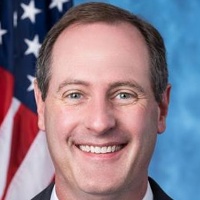
Tracey Mann
Representative
KS
Tracey Mann
Representative
KS
This resolution commemorates the 100th anniversary of the Golf Course Superintendents Association of America (GCSAA). It honors the organization’s century-long commitment to environmental stewardship, professional development, and educational initiatives like the First Green program. Furthermore, it recognizes the GCSAA’s vital role in supporting the golf industry’s significant contributions to the U.S. economy and local communities.
This bill reauthorizes the Accelerating Access to Critical Therapies for ALS Act through 2031 while enhancing grant oversight, safety reporting requirements, and FDA strategic planning for rare neurodegenerative diseases.

Mike Quigley
Representative
IL
Mike Quigley
Representative
IL
The Accelerating Access to Critical Therapies for ALS Reauthorization Act of 2026 extends vital funding for ALS research and clinical trial programs through 2031. This legislation strengthens oversight by enhancing grant review processes, improving safety reporting requirements, and mandating a comprehensive five-year FDA action plan to accelerate the development of treatments for rare neurodegenerative diseases.
The Justice for Incarcerated Moms Act aims to improve maternal health outcomes for incarcerated individuals by prohibiting the shackling of pregnant prisoners and establishing federal and state programs to provide comprehensive prenatal and postpartum care.

Ayanna Pressley
Representative
MA
Ayanna Pressley
Representative
MA
The Justice for Incarcerated Moms Act aims to improve maternal health outcomes and reduce disparities for pregnant and postpartum individuals in the criminal justice system. The bill mandates the end of shackling for pregnant individuals in federal and state facilities and establishes comprehensive model programs to provide prenatal and postpartum care. Additionally, it creates a grant program for state and local facilities to improve maternal health services and requires a federal report to identify and address systemic barriers to care.
This bill officially designates the Department of Veterans Affairs community-based outpatient clinic in Newton, New Jersey, as the "Anthony 'Tony' J. Gallopo VA Clinic."
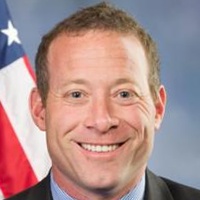
Josh Gottheimer
Representative
NJ
Josh Gottheimer
Representative
NJ
This bill officially designates the Department of Veterans Affairs community-based outpatient clinic in Newton, New Jersey, as the "Anthony 'Tony' J. Gallopo VA Clinic." All official federal documents and records will be updated to reflect this new name.
The Patients First Act of 2026 reforms Medicare physician payment systems to ensure more stable, predictable reimbursement for providers while improving patient access to primary care and value-based services.
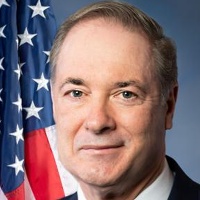
John Joyce
Representative
PA
John Joyce
Representative
PA
The Patients First Act of 2026 is comprehensive legislation designed to stabilize Medicare physician payments, improve patient access to primary care, and transition the current quality reporting system to a more clinician-led framework. By modernizing reimbursement formulas, reducing financial volatility for providers, and increasing transparency in value-based care models, the bill aims to ensure a more sustainable and predictable healthcare environment. These reforms seek to lower out-of-pocket costs for patients while supporting the long-term viability of medical practices.
This bill mandates electronic prior authorization, increases transparency through required data reporting, and establishes faster decision timelines for Medicare Advantage plans to improve timely access to care for seniors.
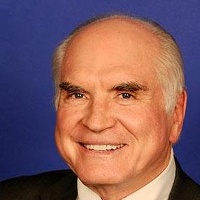
Mike Kelly
Representative
PA
Mike Kelly
Representative
PA
The Improving Seniors’ Timely Access to Care Act of 2025 aims to streamline and modernize the prior authorization process within Medicare Advantage plans. This bill mandates the adoption of electronic prior authorization systems and significantly increases transparency regarding approval rates and decision times starting in 2027. Furthermore, it establishes new enrollee protections and grants the Secretary authority to enforce faster decision timeframes for medical services.
This resolution designates July 10th as Journeyman Lineworkers Recognition Day to honor the essential service and sacrifices of the professionals who maintain our nation’s power grid.

Linda Sánchez
Representative
CA
Linda Sánchez
Representative
CA
This resolution designates July 10th as Journeyman Lineworkers Recognition Day to honor the essential, high-risk work performed by these skilled professionals. It pays tribute to the lineworkers who provide critical service during emergencies and recognizes those who have made the ultimate sacrifice in the line of duty.
This bill protects reproductive health care providers and their patients from state-level interference, prohibits the use of federal funds for such enforcement, and provides grants for legal defense and facility security.
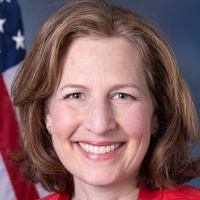
Kim Schrier
Representative
WA
Kim Schrier
Representative
WA
The Let Doctors Provide Reproductive Health Care Act protects health care providers and their patients by prohibiting states from restricting access to legal reproductive health services, including abortion, contraception, and IVF. The bill establishes legal protections against state interference, prevents the use of federal funds for such enforcement, and provides grants to support legal defense and facility security for providers. Additionally, it ensures that providers cannot be denied professional liability insurance based on their provision of these lawful services.
This bill renames and revises the Great American Outdoors Act's maintenance fund, increases dedicated funding through new, higher fees for foreign visitors, and sets spending priorities for deferred maintenance across public lands agencies.
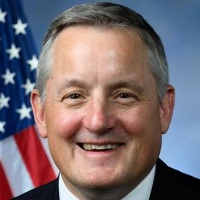
Bruce Westerman
Representative
AR
Bruce Westerman
Representative
AR
This bill, the Great American Outdoors Act 250, significantly reforms and renames the existing public lands restoration fund to the America’s Legacy Restoration Fund. It secures dedicated funding streams, primarily from energy revenues and new fees on foreign visitors, to address critical deferred maintenance across the National Park Service, Forest Service, and other public land agencies. The legislation establishes strict spending priorities for infrastructure repair while also creating pilot programs for enhancing outdoor recreation and sportsmen's access. Finally, it mandates increased transparency and accountability through standardized metrics and public reporting on all funded projects.
This resolution urges Congress to take immediate action to restore and strengthen voting rights protections and consider structural reforms to the Senate and Supreme Court to safeguard American democracy.
Gregorio Casar
Representative
TX
Gregorio Casar
Representative
TX
This resolution expresses the House's urgent call for Congress to restore and strengthen civil rights and fair political representation for all Americans. It specifically condemns recent Supreme Court decisions that have weakened the Voting Rights Act and enabled partisan gerrymandering. The bill asserts that Congress must act boldly, including considering Senate and Supreme Court reforms, to protect multiracial democracy.
This bill commemorates the 50th anniversary of women enrolling in U.S. military service academies and honors their distinguished contributions to national service.
Chrissy Houlahan
Representative
PA
Chrissy Houlahan
Representative
PA
This resolution commemorates the 50th anniversary of women enrolling in U.S. military service academies, recognizing their significant growth and distinguished achievements since 1976. It honors the thousands of women graduates who have served with distinction across all branches of the armed forces and in national service. The bill also expresses support for designating a "50 Years of Women at the Service Academies Day."
This bill prohibits the use of federal funds to pay any claims submitted to the Anti-Weaponization Fund established by the Department of Justice.
Brian Fitzpatrick
Representative
PA
Brian Fitzpatrick
Representative
PA
The Bipartisan Transparency for American Taxpayers Act prohibits the use of any federal funds, including those from the Judgment Fund, to pay claims submitted to the Anti-Weaponization Fund. This measure ensures taxpayer money is not used to cover payments from the fund established by the Department of Justice.
The Provider Reimbursement Stability Act of 2026 reforms Medicare physician payment policies by updating budget neutrality thresholds, establishing a correction process for utilization estimates, mandating periodic updates to practice expense data, and limiting annual conversion factor fluctuations.
Gregory Murphy
Representative
NC
Gregory Murphy
Representative
NC
The Provider Reimbursement Stability Act of 2026 aims to improve the accuracy and predictability of Medicare physician payments. The bill reforms budget neutrality calculations, mandates periodic updates to practice expense cost data, and establishes a 2.5% cap on annual conversion factor fluctuations. These measures are designed to ensure more stable reimbursement rates for healthcare providers.
This bill authorizes the minting and sale of commemorative gold and silver coins to honor the 25th anniversary of the September 11, 2001, terrorist attacks, with surcharges supporting the National September 11 Memorial and Museum.

Dan Goldman
Representative
NY
Dan Goldman
Representative
NY
This bill authorizes the Secretary of the Treasury to mint and issue commemorative gold and silver coins marking the 25th anniversary of the September 11, 2001, terrorist attacks. The coins will honor the victims, first responders, and survivors, with designs selected in consultation with the National September 11 Memorial and Museum. All surcharges from the sale of these coins will be paid directly to the Memorial and Museum to support its operations and maintenance.
This bill establishes a demonstration project for states to test alternative payment models in Medicaid and CHIP to improve maternal health outcomes for pregnant and postpartum individuals.

Janice Schakowsky
Representative
IL
Janice Schakowsky
Representative
IL
The IMPACT to Save Moms Act establishes a demonstration project for states to test alternative payment models for maternity care within Medicaid and CHIP programs. This project aims to improve maternal health outcomes, particularly for high-risk groups, by considering factors like risk stratification and social determinants of health. The Secretary of HHS must evaluate the project's impact and report recommendations to Congress on potential national expansion.
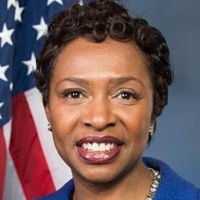
The Moms Matter Act establishes grant programs to improve maternal mental health equity and expand the diverse workforce providing maternal mental and behavioral health care.
Yvette Clarke
Representative
NY
Yvette Clarke
Representative
NY
The Moms Matter Act establishes two grant programs to improve maternal mental health. The first program funds initiatives to expand mental health and substance use disorder services for pregnant and postpartum individuals, prioritizing high-risk populations. The second program provides grants to grow and diversify the workforce of mental and behavioral health providers specializing in maternal health.
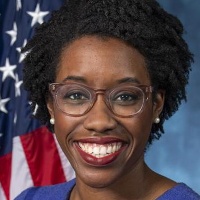
This Act funds data collection, research, public communication, and task force recommendations to improve maternal health outcomes during public health emergencies.
Lauren Underwood
Representative
IL
Lauren Underwood
Representative
IL
The Maternal Health Pandemic Response Act aims to improve maternal and infant health outcomes during public health emergencies. It authorizes significant funding for enhanced data collection, surveillance, and research across various CDC programs. Furthermore, the bill mandates public data disclosure, requires public health communication campaigns, and establishes a task force to develop federal recommendations for ensuring safe, respectful, and equitable maternity care during crises.
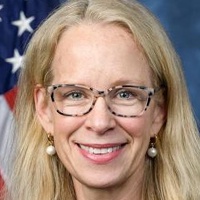
This resolution recognizes the 75th anniversary of the American College of Obstetricians and Gynecologists and honors its vital role in advancing women's health through clinical excellence, education, advocacy, and research.
Kelly Morrison
Representative
MN
Kelly Morrison
Representative
MN
This resolution celebrates the 75th anniversary of the American College of Obstetricians and Gynecologists (ACOG). It recognizes ACOG's critical role in advancing women's health through excellence in clinical practice, education, advocacy, and research. The bill honors ACOG's dedication to improving maternal health and supporting obstetrician-gynecologists nationwide.
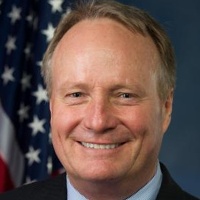
This bill establishes the Combating Organized Retail Crime Act of 2025 to enhance federal prosecution tools against organized retail and supply chain crime and create a DHS-led coordination center to align law enforcement efforts.
David Joyce
Representative
OH
David Joyce
Representative
OH
The Combating Organized Retail Crime Act of 2025 aims to combat sophisticated, cross-jurisdictional organized retail and supply chain theft. It achieves this by strengthening federal laws regarding money laundering and stolen property offenses, including lowering monetary thresholds for prosecution. Furthermore, the bill establishes a dedicated Center within the Department of Homeland Security to coordinate federal, state, and local enforcement efforts against these criminal organizations.