
Legislative Activity
Track Sheila's sponsored bills, co-sponsored legislation, and voting record
This bill establishes a mechanism to ensure the Federal Aviation Administration remains funded and operational during a lapse in appropriations.
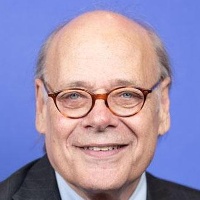
Steve Cohen
Representative
TN
Steve Cohen
Representative
TN
The Aviation Funding Stability Act of 2025 establishes an automatic mechanism to ensure the Federal Aviation Administration (FAA) remains funded during a lapse in appropriations. This allows the FAA to continue essential operations using existing funds from the Airport and Airway Trust Fund until a new budget or continuing resolution is enacted. Funding will cease after 30 days if no new appropriations are passed. This ensures continuity for core FAA programs, including operations, infrastructure, and grants.
This House resolution strongly condemns all forms of political violence and demands an end to dehumanizing rhetoric against political opponents.
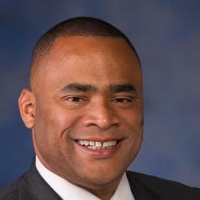
Marc Veasey
Representative
TX
Marc Veasey
Representative
TX
This House Resolution strongly condemns all forms of political violence and threats against elected officials and public figures, regardless of political affiliation. It affirms that disagreements must be resolved through peaceful and democratic means, not intimidation or force. The resolution urges law enforcement to prosecute those who commit or encourage such violence. Finally, it calls on all leaders to cease using dehumanizing rhetoric and promote civil discourse.
This Act mandates that new passenger motor vehicles sold in the U.S. must include standard equipment capable of receiving AM broadcast radio signals.

Gus Bilirakis
Representative
FL
Gus Bilirakis
Representative
FL
The AM Radio for Every Vehicle Act of 2025 mandates that the Secretary of Transportation establish a rule requiring AM broadcast radio receivers to be installed as standard equipment in new passenger motor vehicles. This requirement aims to ensure public access to AM radio signals, which are often used for emergency alerts. The bill also directs a GAO study on the effectiveness of AM radio within the national emergency alert system compared to other technologies. Finally, the Act preempts state and local laws on this matter and includes a sunset provision eight years after enactment.
This bill amends the Social Security Act to provide Medicare coverage for FDA-approved multi-cancer early detection screening tests starting in 2028.
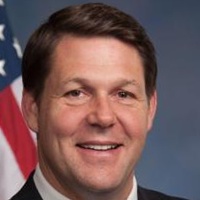
Jodey Arrington
Representative
TX
Jodey Arrington
Representative
TX
The Nancy Gardner Sewell Medicare Multi-Cancer Early Detection Screening Coverage Act amends the Social Security Act to provide Medicare Part B coverage for multi-cancer early detection screening tests starting January 1, 2028. This legislation establishes clear criteria for qualifying tests and outlines payment structures to ensure beneficiaries have access to these advanced diagnostic tools. Importantly, this coverage is designed to complement, rather than replace, existing Medicare-covered cancer screenings.
The FAMILY Act establishes a national paid family and medical leave insurance program administered by the Social Security Administration, providing benefits for caregiving related to serious health conditions or victims of violence.

Rosa DeLauro
Representative
CT
Rosa DeLauro
Representative
CT
The FAMILY Act establishes a national Paid Family and Medical Leave Insurance program administered by a new office within the Social Security Administration. This program provides monthly benefits to eligible individuals who take time off for qualified caregiving reasons, including serious health conditions or victims of violence. The Act also sets forth detailed eligibility requirements, benefit calculation formulas, and job protection guarantees for employees utilizing the leave. Finally, it creates a funding mechanism to support existing state-level paid leave programs that meet federal standards.
This resolution expresses Congressional support for designating September 2025 as African Diaspora Heritage Month to recognize the community's significant contributions to the United States and strengthen ties with Africa.
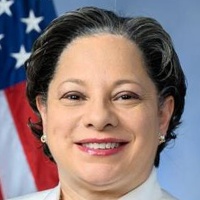
Jennifer McClellan
Representative
VA
Jennifer McClellan
Representative
VA
This resolution expresses strong Congressional support for designating September 2025 as "African Diaspora Heritage Month." It recognizes the significant and diverse contributions of the African diaspora community to American society, culture, and the economy. The bill encourages federal, state, and local entities to observe this month through appropriate programs and activities. Ultimately, it affirms the vital role of the diaspora in strengthening U.S. ties with Africa and enriching the nation's heritage.
This bill establishes a program to identify and correct the grave markers of Jewish servicemembers mistakenly buried under Latin Crosses in overseas U.S. military cemeteries.
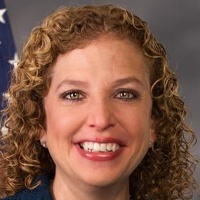
Debbie Wasserman Schultz
Representative
FL
Debbie Wasserman Schultz
Representative
FL
This act establishes the Fallen Servicemembers Religious Heritage Restoration Program to correct historical errors where Jewish service members killed in WWI and WWII were mistakenly buried under non-Jewish grave markers overseas. The American Battle Monuments Commission will contract with a nonprofit organization to identify these "covered members" and contact their survivors over a five-year period. The legislation also extends a deadline related to certain pension payments.
This Act establishes upfront documentation requirements for the Veterans Readiness and Employment program, extends potential assistance duration, and mandates new data collection and independent review of program outcomes.
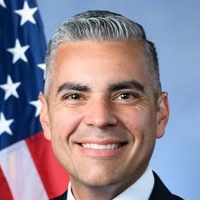
Juan Ciscomani
Representative
AZ
Juan Ciscomani
Representative
AZ
The Veterans Readiness and Employment Program Integrity Act establishes new requirements for the Department of Veterans Affairs (VA) when processing applications for the VR&E program, mandating the submission of work history and transcripts before initial review. The bill also sets a standard maximum duration of 365 days for employment assistance, with a possible 180-day extension for actively job-seeking veterans. Furthermore, it mandates increased data collection on veteran employment outcomes and requires the VA to publicly report on counselor wait times.
This bill establishes the National Infrastructure Bank to finance major U.S. infrastructure projects while granting the Bank and its investors favorable federal tax exemptions.
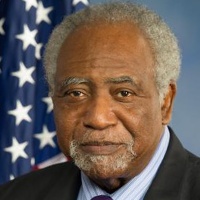
Danny Davis
Representative
IL
Danny Davis
Representative
IL
The National Infrastructure Bank Act of 2025 establishes a new, mixed-ownership federal corporation chartered to finance major infrastructure projects across the nation. This legislation authorizes the Bank to raise substantial capital and issue significant loans to spur economic growth while prioritizing projects in disadvantaged communities. Furthermore, the bill grants the Bank and its specific investors favorable tax exemptions to encourage participation and operation.
The George Floyd Justice in Policing Act of 2025 comprehensively reforms policing by increasing accountability, mandating transparency through data collection, restricting dangerous tactics, and prohibiting sexual misconduct by officials acting under color of law.
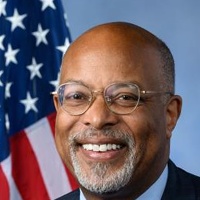
Glenn Ivey
Representative
MD
Glenn Ivey
Representative
MD
The George Floyd Justice in Policing Act of 2025 is a comprehensive bill designed to increase police accountability and transparency nationwide through federal mandates and funding incentives. It reforms standards for prosecuting civil rights violations, eliminates qualified immunity, and establishes national registries for police misconduct and use-of-force data. Furthermore, the Act bans specific dangerous police tactics like chokeholds and restricts the transfer of military equipment to local departments.
This bill posthumously awards a Congressional Gold Medal to honor the groundbreaking civil rights achievements of Constance Baker Motley and authorizes the production and sale of bronze duplicates.
Rosa DeLauro
Representative
CT
Rosa DeLauro
Representative
CT
This bill, the Congressional Tribute to Constance Baker Motley Act of 2025, posthumously awards the Congressional Gold Medal to the pioneering civil rights attorney and federal judge, Constance Baker Motley. The legislation recognizes her historic achievements, including her role in *Brown v. Board of Education* and her service as the first African-American woman appointed as a federal judge. The Secretary of the Treasury is authorized to strike the medal, and provisions are made for selling bronze duplicates to cover production costs.
This Act establishes sanctions against Pakistani officials undermining democracy and human rights, while urging the U.S. government to promote democratic institutions in Pakistan until September 30, 2030.
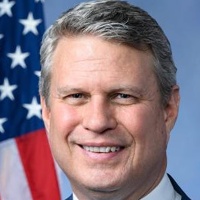
Bill Huizenga
Representative
MI
Bill Huizenga
Representative
MI
The Pakistan Freedom and Accountability Act expresses strong U.S. support for democracy and human rights in Pakistan, citing concerns over military influence and recent election interference. This legislation directs the President to identify and impose sanctions on Pakistani officials responsible for undermining democratic processes or committing serious human rights abuses. The Act emphasizes the need for civilian control over the military and sets an expiration date for its provisions in September 2030.
This act removes a federal payment limitation for certain state Medicaid home and community-based services (HCBS) waivers.

Debbie Dingell
Representative
MI
Debbie Dingell
Representative
MI
The HCBS Worker Protection Act of 2025 removes a federal payment limitation for certain home and community-based services (HCBS) waivers under Medicaid. This change grants states greater flexibility in receiving federal matching funds for these essential community services.
This act modifies the Family and Medical Leave Act (FMLA) to establish specific eligibility criteria and leave calculation methods for paraprofessionals and other essential education support staff.
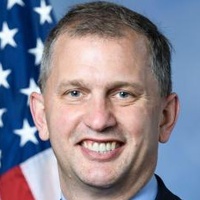
Sean Casten
Representative
IL
Sean Casten
Representative
IL
This bill, the ESP, Paraprofessional, and Education Support Staff Family Leave Act, updates eligibility requirements for certain school employees under the Family and Medical Leave Act (FMLA). It adjusts how paraprofessionals and education support staff meet the required hours of service by using a percentage of expected monthly hours worked during the school year. Furthermore, the bill mandates clear guidelines for calculating FMLA leave entitlement for these employees to account for non-standard school schedules.
This resolution expresses support for making antiphospholipid syndrome (APS) testing a standard part of prenatal screening to prevent serious pregnancy complications.
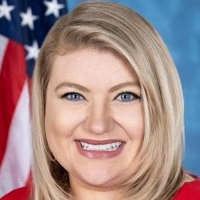
Katherine Cammack
Representative
FL
Katherine Cammack
Representative
FL
This resolution expresses strong support for making testing for Antiphospholipid Syndrome (APS) a standard part of routine prenatal screening. APS is an autoimmune condition that can cause serious pregnancy complications like blood clots and recurrent pregnancy loss. The bill urges medical organizations to update their guidelines to include this simple, treatable condition in standard prenatal care.
This act repeals Section 14(b) of the National Labor Relations Act, thereby preempting all state "right-to-work" laws.
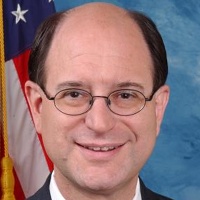
Brad Sherman
Representative
CA
Brad Sherman
Representative
CA
The Nationwide Right to Unionize Act eliminates federal permission for states to enact or enforce "right-to-work" laws by repealing Section 14(b) of the National Labor Relations Act. This action ensures that union security agreements negotiated between unions and employers are governed exclusively by federal labor law. Consequently, state laws that prohibit mandatory union membership or fee payment as a condition of employment will no longer apply where federal law permits such agreements.
This Act bans Members of Congress and their immediate families from trading or owning specific investments while in office, requiring divestment within 90 to 180 days or facing significant financial penalties.

Chip Roy
Representative
TX
Chip Roy
Representative
TX
The Restore Trust in Congress Act establishes strict new rules prohibiting Members of Congress and their immediate families from owning or trading specific financial assets, referred to as "covered investments," while in office. Covered individuals must divest existing prohibited holdings within a set timeframe or face significant financial penalties, including fines and forfeiture of profits. The legislation aims to eliminate conflicts of interest arising from personal financial trading while serving in federal office.
The PARTNER Act authorizes the President to extend specific privileges and immunities under the International Organizations Immunities Act to ASEAN, CERN, the Pacific Islands Forum, the Caribbean Community, and the African Union Mission.
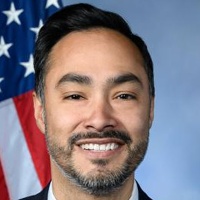
Joaquin Castro
Representative
TX
Joaquin Castro
Representative
TX
The PARTNER Act grants the President the authority to extend specific privileges and immunities under the International Organizations Immunities Act to several key international bodies. This legislation specifically targets the Association of Southeast Asian Nations (ASEAN), CERN, the Pacific Islands Forum, the Caribbean Community, and the African Union Mission. Ultimately, the bill standardizes the legal status and protections afforded to these organizations, aligning them with other international groups the U.S. cooperates with.
This Act mandates annual public reporting on the links between Haitian criminal gangs and political/economic elites, authorizing the President to impose asset freezes and visa bans on those identified.
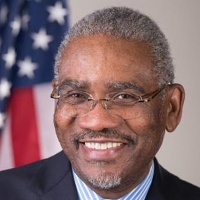
Gregory Meeks
Representative
NY
Gregory Meeks
Representative
NY
The Haiti Criminal Collusion Transparency Act of 2025 mandates the Secretary of State to annually report on the links between Haitian criminal gangs and the nation's political and economic elites. Based on these findings, the President must impose sanctions, including asset freezes and visa bans, on identified foreign individuals. The law is designed to expose and penalize collusion that threatens U.S. interests and the Haitian people, with provisions set to expire after five years.
The Dont STEAL Act mandates that employers pay employees the highest rate among their contract, federal, or state requirements, and it introduces stricter criminal penalties for willful wage theft.
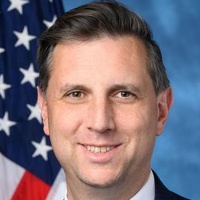
Seth Magaziner
Representative
RI
Seth Magaziner
Representative
RI
The Dont STEAL Act ensures employees are paid at least the highest amount guaranteed by their contract or federal/state law. It strengthens the Fair Labor Standards Act by establishing new criminal penalties, including potential prison time, for employers who willfully commit wage theft exceeding $1,000. Furthermore, fines collected from these new criminal penalties will fund the Department of Labor's enforcement efforts.