
Legislative Activity
Track Shelley's sponsored bills, co-sponsored legislation, and voting record
This bill counts time spent in hospital outpatient observation as part of the required 3-day inpatient stay for Medicare coverage of skilled nursing facility services.

Susan Collins
Senator
ME
Susan Collins
Senator
ME
This bill, the Improving Access to Medicare Coverage Act of 2026, amends Medicare rules to count time spent receiving outpatient observation services in a hospital toward the required 3-day inpatient hospital stay. This change allows beneficiaries to qualify sooner for Medicare coverage of skilled nursing facility (SNF) services. The provision applies to observation services furnished on or after January 1, 2026.
This Act permanently establishes E-Verify, mandates its use by all employers for employment eligibility verification, and significantly increases penalties for non-compliance and hiring unauthorized workers.
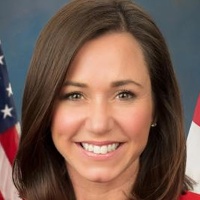
Katie Britt
Senator
AL
Katie Britt
Senator
AL
The Mandatory E-Verify Act of 2026 establishes a permanent, mandatory electronic employment verification system for all U.S. employers, building upon the existing E-Verify program. This legislation phases in requirements for all businesses to use the system to confirm employee work authorization, imposing significantly enhanced civil and criminal penalties for non-compliance or hiring unauthorized workers. The Act also establishes an individual self-check tool and mandates federal agencies to share necessary records to ensure system accuracy and security.
This resolution honors the life, legacy, and public service of former California Senator John Seymour.
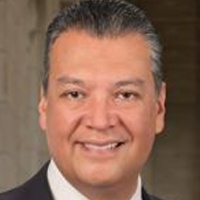
Alejandro Padilla
Senator
CA
Alejandro Padilla
Senator
CA
This resolution honors the life and legacy of the late former United States Senator John Seymour of California. It recognizes his extensive public service, highlighting his career in business, local government, and his tenure in the U.S. Senate. The Senate expresses its deep sorrow and directs that official copies of this resolution be delivered to his family.
This resolution designates May 2025 as Jewish American Heritage Month to recognize the community's contributions and calls for concerted efforts to counter rising antisemitism.
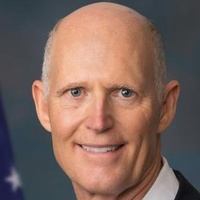
Rick Scott
Senator
FL
Rick Scott
Senator
FL
This resolution officially designates May 2025 as Jewish American Heritage Month to recognize the significant, 350-year history and contributions of Jewish Americans across all sectors of society. It also strongly calls upon leaders to actively counter the recent rise in antisemitism through education and awareness. The resolution commits to ensuring the safety, security, and dignity of American Jews while honoring their service to the nation.
This resolution expresses support for designating April 2026 as National Child Abuse Prevention Month and affirms the importance of preventing child abuse and neglect.
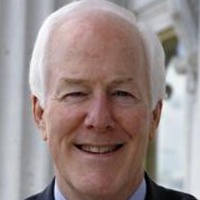
John Cornyn
Senator
TX
John Cornyn
Senator
TX
This resolution expresses support for designating April 2026 as National Child Abuse Prevention Month. It highlights the severe, lasting impact of adverse childhood experiences and the substantial economic burden of child maltreatment. The resolution advocates for increased public awareness, education, and evidence-based programs to prevent abuse and support survivors.
The IGNITE HBCU Excellence Act establishes competitive grants for Historically Black Colleges and Universities to fund long-term facility improvements, technology upgrades, and essential infrastructure maintenance.

Tim Scott
Senator
SC
Tim Scott
Senator
SC
The IGNITE HBCU Excellence Act establishes a competitive grant program managed by the Secretary of Education to fund long-term facility improvements at eligible Historically Black Colleges and Universities (HBCUs) and similar institutions. Grants prioritize entities with the greatest facility needs, the most limited fundraising capacity, and high Pell Grant enrollment. Funds can be used for construction, modernization, repairs, and technology infrastructure, while also requiring loan forgiveness for certain prior HBCU Capital Financing Program debts.
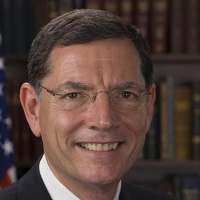
This resolution supports the goals and ideals of National Hospital Week, May 10-16, 2026, to honor the critical role of hospitals and their dedicated workers in communities across the nation.
John Barrasso
Senator
WY
John Barrasso
Senator
WY
This resolution supports the goals and ideals of National Hospital Week, observed May 10–16, 2026. It honors the critical role of hospitals and their dedicated workers in providing essential care across the nation. The bill recognizes the diverse services offered by U.S. hospitals, from critical access to specialized mental health care. It encourages the public to observe the week to demonstrate appreciation for these vital community institutions.
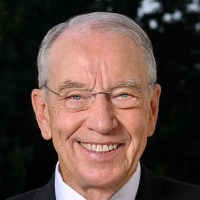
This resolution designates the week of May 10 through May 16, 2026, as "National Police Week" to honor the service and sacrifice of law enforcement officers nationwide.
Charles Grassley
Senator
IA
Charles Grassley
Senator
IA
This resolution officially designates the week of May 10 through May 16, 2026, as "National Police Week." It serves to recognize and honor the service, sacrifice, and valor of law enforcement officers across the United States. The measure encourages the public to observe this week by honoring law enforcement personnel and promoting awareness of their essential mission.
This resolution designates May 2026 as National Foster Care Month to raise awareness of the challenges faced by children in foster care and encourage policy improvements to support them.
Charles Grassley
Senator
IA
Charles Grassley
Senator
IA
This resolution designates May 2026 as National Foster Care Month to raise awareness about the challenges faced by children in the foster care system. It honors the resilience of foster youth and expresses gratitude for foster parents, social workers, and advocates. Ultimately, the measure encourages Congress to implement policies that improve outcomes for children in foster care, from prevention to successful transition to adulthood.
This resolution designates May 16, 2026, as "Kids to Parks Day" to promote outdoor recreation, environmental stewardship, and family engagement with parks and public lands.
Ron Wyden
Senator
OR
Ron Wyden
Senator
OR
This resolution officially designates May 16, 2026, as "Kids to Parks Day." The day aims to promote healthy outdoor recreation, environmental stewardship, and encourage families to visit local, state, and national parks. It recognizes the importance of outdoor access for youth health, education, and community strengthening.
This resolution urges the President to prioritize securing the release of specific individuals wrongfully detained by the People's Republic of China during future engagements with President Xi Jinping.

Richard Durbin
Senator
IL
Richard Durbin
Senator
IL
This Senate resolution urges the President to prioritize securing the release of several specific individuals wrongfully detained by the People's Republic of China during future engagements with President Xi Jinping. The resolution condemns these politically motivated detentions and calls for immediate humanitarian access and release for those named. It reaffirms the U.S. commitment to defending political and religious freedoms globally.
This resolution honors the life and legacy of former Idaho Senator, Governor, and Secretary of the Interior, Dirk Arthur Kempthorne.

Michael Crapo
Senator
ID
Michael Crapo
Senator
ID
This resolution honors the life and legacy of Dirk Arthur Kempthorne, recognizing his significant contributions as a former U.S. Senator, Governor of Idaho, and Secretary of the Interior. The Senate expresses its profound sorrow over his passing and offers condolences to his family. The resolution directs that this tribute be communicated to the House and his family, and the Senate will adjourn in his memory.
This resolution recognizes the vital roles and contributions of U.S. teachers and designates May 4-8, 2026, as National Teacher Appreciation Week.
Susan Collins
Senator
ME
Susan Collins
Senator
ME
This resolution formally recognizes the vital roles and significant contributions of teachers across the United States in shaping the nation's civic, cultural, and economic future. It specifically designates the week of May 4–8, 2026, as National Teacher Appreciation Week. The bill encourages widespread public recognition and respect for educators and the teaching profession.
This bill mandates that telecommunications providers must deliver precise, dispatchable location information for all calls made to the 988 Suicide and Crisis Lifeline, while also requiring FCC and GAO studies on implementation challenges.
John Barrasso
Senator
WY
John Barrasso
Senator
WY
This bill aims to improve the 988 Suicide and Crisis Lifeline by requiring telecommunications providers to transmit precise, **dispatchable location information** for all calls made to the service. It mandates the FCC to initiate an inquiry into the technical and privacy challenges of this requirement. Additionally, the GAO must report to Congress on the feasibility and implications of using geolocation technology for 988 callers.
This resolution supports the goals of National Nurses Week, recognizing the vital contributions of nurses and encouraging public observance of their importance.

Jeff Merkley
Senator
OR
Jeff Merkley
Senator
OR
This resolution supports the goals of National Nurses Week, observed annually from May 6th to May 12th. It recognizes the vital contributions of nurses across patient care, public health, and research. The bill encourages the nation to observe this week with appropriate recognition for the importance of nurses in everyday lives.
This bill transfers administrative jurisdiction of specific federal land parcels in Harpers Ferry, West Virginia, between the Secretary of the Interior and US Customs and Border Protection for use by the Advanced Training Center and the National Historical Park.

Jim Justice
Senator
WV
Jim Justice
Senator
WV
This bill transfers administrative jurisdiction over specific parcels of federal land in Harpers Ferry, West Virginia, between the Secretary of the Interior and U.S. Customs and Border Protection (CBP). Approximately 25 acres will move to CBP for use as part of their Advanced Training Center, while about 71.51 acres will be transferred to the Secretary of the Interior for inclusion in the Harpers Ferry National Historical Park. The bill also includes provisions for surveying the transferred land and mandates that the CBP parcel must revert to the National Historical Park if it is no longer needed for training purposes.
This resolution expresses support for designating the week of May 3, 2026, through May 9, 2026, as National Small Business Week to celebrate the vital contributions of small businesses across the United States.

Joni Ernst
Senator
IA
Joni Ernst
Senator
IA
This resolution expresses support for designating the week of May 3, 2026, through May 9, 2026, as "National Small Business Week." It aims to celebrate the vital contributions and entrepreneurial spirit of small businesses across the United States. The bill recognizes the essential role these businesses play in the national economy and applauds their resilience.
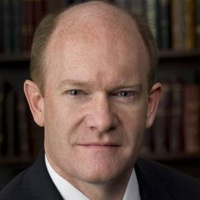
This resolution commends the American Chemical Society on its 150th anniversary and recognizes its vital service to the United States through advancements in science, education, and innovation.
Christopher Coons
Senator
DE
Christopher Coons
Senator
DE
This resolution commends the American Chemical Society (ACS) on its 150th anniversary, recognizing its vital service to the United States. It honors the ACS's enduring contributions to science, education, and economic strength. The resolution further affirms the importance of promoting STEM education and careers in chemistry.
This resolution designates April 2026 as "Second Chance Month" to raise awareness about collateral consequences for people with criminal records and encourage community support for their successful reentry.

Amy Klobuchar
Senator
MN
Amy Klobuchar
Senator
MN
This resolution designates April 2026 as "Second Chance Month." It aims to raise public awareness about the collateral consequences faced by millions of Americans with criminal records long after their sentences are served. The designation encourages communities to support efforts that remove unnecessary barriers to employment, housing, and education, promoting successful reentry and reducing recidivism.
This resolution welcomes King Charles III and Queen Camilla to the U.S. while reaffirming the historic and enduring partnership between the United States and the United Kingdom ahead of the King's address to Congress.

James Risch
Senator
ID
James Risch
Senator
ID
This resolution formally welcomes King Charles III and Queen Camilla to the United States for His Majesty's address to a joint meeting of Congress. It recognizes the deep, historic partnership between the U.S. and U.K. across security, innovation, and shared democratic values. The bill reaffirms the enduring friendship and encourages deeper cooperation on strategic global issues.