
Legislative Activity
Track Shelley's sponsored bills, co-sponsored legislation, and voting record
The "Alternatives to PAIN Act" aims to lower patient costs and increase access to non-opioid pain management drugs under Medicare Part D by waiving deductibles, setting a low cost-sharing tier, and removing step therapy or prior authorization requirements, starting in 2026.
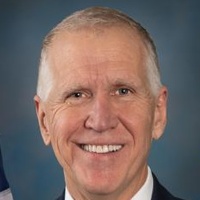
Thom Tillis
Senator
NC
Thom Tillis
Senator
NC
The "Alternatives to PAIN Act" aims to improve access to non-opioid pain management for Medicare Part D beneficiaries starting in 2026. It eliminates the standard deductible and places qualifying non-opioid pain management drugs on the lowest cost-sharing tier. The bill also prohibits the use of step therapy and prior authorization requirements for these drugs, ensuring quicker access to alternative pain relief options.
Prohibits the Department of Veterans Affairs from sending veterans' personal information to the national instant criminal background check system based only on the fact that the veteran requires assistance managing their benefits, unless a court determines the veteran is a danger to themselves or others.

John Kennedy
Senator
LA
John Kennedy
Senator
LA
The "Veterans 2nd Amendment Protection Act of 2025" prevents the Department of Veterans Affairs from sharing veterans' personal information with the national instant criminal background check system (NICS) based solely on the appointment of a fiduciary to manage their benefits. Information can only be shared if a judicial authority determines the veteran poses a danger to themselves or others.
Permanently extends the New Markets Tax Credit, adjusts it for inflation, and provides alternative minimum tax relief for qualified equity investments made after 2024.
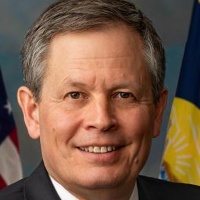
Steve Daines
Senator
MT
Steve Daines
Senator
MT
The New Markets Tax Credit Extension Act of 2025 permanently extends the New Markets Tax Credit, originally set to expire after 2025, to encourage investment in low-income communities. The bill also adjusts the credit amount for inflation after 2025 and provides alternative minimum tax relief for credits on qualified equity investments made after December 31, 2024. These changes aim to incentivize ongoing investment in economically distressed areas.
This Act mandates that hotels and short-term rentals must advertise the total price, including all mandatory fees, upfront to consumers nationwide.

Amy Klobuchar
Senator
MN
Amy Klobuchar
Senator
MN
The Hotel Fees Transparency Act of 2025 mandates that hotels and short-term rental platforms must advertise the **total mandatory price** for lodging upfront, including all service fees. This federal law prohibits hidden fees in initial advertisements, requiring the full cost to be clearly displayed throughout the booking process. The Federal Trade Commission (FTC) is tasked with enforcement, and the new rules preempt stricter state or local laws regarding lodging price advertising.
The She DRIVES Act mandates the Department of Transportation to update federal motor vehicle safety standards by incorporating new crash test dummies representing both male and female body types for front and side impact testing, and to create a roadmap for future testing device advancements.
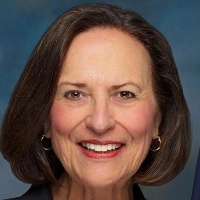
Deb Fischer
Senator
NE
Deb Fischer
Senator
NE
The She DRIVES Act mandates immediate updates to federal motor vehicle safety standards by requiring the use of new crash test dummies, specifically incorporating both male and female dummies in front and side impact tests. This legislation aims to improve vehicle crashworthiness by basing new injury criteria on real-world data that better reflects diverse body types. Furthermore, the bill establishes a roadmap for the Department of Transportation to continuously review and adopt more advanced testing devices used internationally.
This Act mandates that new passenger vehicles sold in the U.S. must include standard equipment capable of receiving AM broadcast radio signals for emergency alerts and programming.
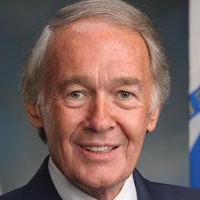
Edward Markey
Senator
MA
Edward Markey
Senator
MA
The AM Radio for Every Vehicle Act of 2025 mandates that new passenger vehicles sold in the U.S. must include standard equipment capable of receiving AM broadcast signals within a few years of the law's enactment. This requirement aims to ensure drivers retain access to crucial emergency alerts, overriding conflicting state or local laws. The bill also directs the GAO to study the reliability of AM radio versus other emergency alert technologies in vehicles.
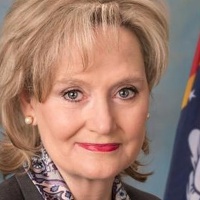
The "Rural Health Focus Act" establishes an Office of Rural Health within the CDC to address healthcare challenges and improve public health outcomes in rural areas through research, collaboration, and grant programs.
Cindy Hyde-Smith
Senator
MS
Cindy Hyde-Smith
Senator
MS
The "Rural Health Focus Act" establishes an Office of Rural Health within the CDC to address the unique healthcare challenges faced by rural communities. This office will conduct research, develop programs, and provide grants to improve health outcomes and access to care in rural areas. The office will also work with other federal agencies to coordinate rural health initiatives and avoid duplication of effort.
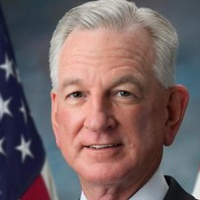
The "Protection of Women in Olympic and Amateur Sports Act" defines "female" and "male" based on reproductive systems and prohibits biological males from participating in female athletic competitions.
Tommy Tuberville
Senator
AL
Tommy Tuberville
Senator
AL
The "Protection of Women in Olympic and Amateur Sports Act" amends Title 36 of the United States Code to define "female," "male," and "sex" based on reproductive systems. It prohibits individuals whose biological sex is male from participating in amateur athletic competitions designated for females, women, or girls.
This Act establishes a working group to clarify cyber insurance policies, improve coverage, and reduce costs for consumers and businesses.

John Hickenlooper
Senator
CO
John Hickenlooper
Senator
CO
The Insure Cybersecurity Act of 2025 establishes a Working Group on Cyber Insurance, chaired by the Assistant Secretary of Commerce for Communications and Information. This group is tasked with studying the cyber insurance market to make coverage clearer, more accessible, and more affordable for consumers and businesses. After delivering a final report with recommendations to Congress, the Working Group will dissolve, and the Assistant Secretary will publicly disseminate the resulting informative resources.
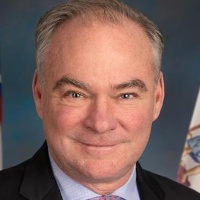
The JOBS Act of 2025 expands Federal Pell Grant eligibility to students enrolled in high-quality, short-term career and technical education programs that lead to recognized industry credentials.
Timothy Kaine
Senator
VA
Timothy Kaine
Senator
VA
The JOBS Act of 2025 expands Federal Pell Grant eligibility to include students enrolled in high-quality, short-term career and technical education programs. By supporting training that leads to industry-recognized credentials, the bill aims to better align postsecondary education with the needs of high-demand job sectors. Additionally, the legislation lowers the minimum Pell Grant threshold to increase financial aid accessibility for students pursuing these career-focused pathways.
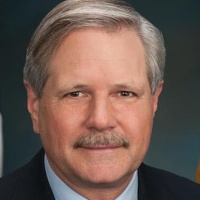
This joint resolution seeks to nullify the EPA’s rule regarding waste emissions charges for petroleum and natural gas systems.
John Hoeven
Senator
ND
John Hoeven
Senator
ND
This joint resolution seeks to exercise congressional disapproval of the EPA’s "Waste Emissions Charge for Petroleum and Natural Gas Systems" rule. If passed, the resolution would nullify the rule, rendering it without force or effect.
The Fair Access to Banking Act aims to prevent financial institutions from denying services to individuals or businesses based on subjective or political reasons, ensuring fair and impartial access to financial services.

Kevin Cramer
Senator
ND
Kevin Cramer
Senator
ND
The Fair Access to Banking Act aims to ensure equal access to financial services by preventing banks and credit unions from denying services to individuals or entities engaged in lawful activities based on subjective or politically motivated reasons. It sets requirements for banks with over $10 billion in assets, prohibiting them from denying services based on reputational risk and requiring them to justify denials with documented, risk-based standards. The act also allows individuals to sue financial institutions that violate these requirements, with the potential for treble damages and attorney fees awarded to successful plaintiffs. Furthermore, it restricts access to Federal Reserve lending programs and the Automated Clearing House Network for institutions that fail to comply with the Act.
This bill removes silencers from special tax and registration requirements under the National Firearms Act while imposing a new 10% excise tax and new federal marking standards on manufacturers.

Michael Crapo
Senator
ID
Michael Crapo
Senator
ID
The Hearing Protection Act seeks to remove silencers from special regulation under federal tax law, treating them similarly to standard firearms components. This bill preempts state and local governments from imposing special taxes or registration requirements on silencers involved in interstate commerce. Furthermore, it mandates the destruction of existing federal records identifying silencer owners and establishes new serial number marking requirements for manufacturers.
The Rural Hospital Support Act updates Medicare payment calculations for sole community and Medicare-dependent hospitals while permanently extending key reimbursement programs for rural and low-volume facilities.
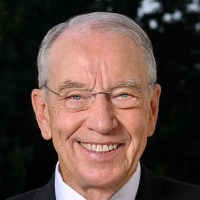
Charles Grassley
Senator
IA
Charles Grassley
Senator
IA
The Rural Hospital Support Act strengthens the financial stability of rural healthcare providers by permanently extending key Medicare payment programs, including the Medicare-dependent hospital (MDH) and low-volume hospital programs. The bill also updates payment calculation formulas for sole community and Medicare-dependent hospitals to reflect more recent cost data, ensuring these facilities receive fair and sustainable reimbursement.
This bill amends the Social Security Act to provide Medicare coverage for FDA-approved multi-cancer early detection screening tests starting in 2028.
Michael Crapo
Senator
ID
Michael Crapo
Senator
ID
The Nancy Gardner Sewell Medicare Multi-Cancer Early Detection Screening Coverage Act amends the Social Security Act to provide Medicare coverage for FDA-approved multi-cancer early detection (MCED) screening tests starting in 2028. This legislation establishes a formal coverage and payment framework for these innovative blood-based tests while ensuring they complement, rather than replace, existing cancer screening protocols.
The Educational Choice for Children Act of 2025 establishes a federal tax credit for donations to scholarship-granting organizations to help eligible students cover a wide range of K-12 educational expenses while protecting the autonomy of participating schools and families.
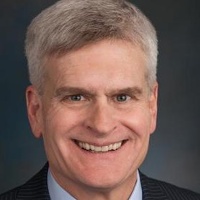
Bill Cassidy
Senator
LA
Bill Cassidy
Senator
LA
The Educational Choice for Children Act of 2025 establishes a federal tax credit for individuals and corporations that donate to scholarship-granting organizations. These organizations provide scholarships to help eligible students cover a wide range of K-12 educational expenses, including private school tuition, tutoring, and educational therapies. The bill includes a $10 billion annual volume cap on these credits and contains robust protections to ensure the autonomy of participating schools and the rights of parents to direct their children's education.
The Laken Riley Act mandates the detention of aliens who commit theft and empowers state attorneys general to sue the Department of Homeland Security or the Secretary of State over immigration enforcement failures.
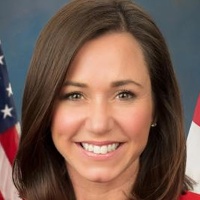
Katie Britt
Senator
AL
Katie Britt
Senator
AL
The Laken Riley Act mandates the detention of illegal aliens who commit theft, burglary, larceny, or shoplifting. It empowers state attorneys general to sue the Department of Homeland Security or the Secretary of State if they believe the state or its residents are harmed by violations of immigration enforcement or visa granting. The bill aims to ensure that these aliens are detained throughout their removal proceedings and to provide states with legal recourse against perceived failures in federal immigration enforcement.
This bill reauthorizes and expands critical mental health support programs and grant initiatives for the health care workforce through 2029.
Timothy Kaine
Senator
VA
Timothy Kaine
Senator
VA
The Dr. Lorna Breen Health Care Provider Protection Reauthorization Act extends and strengthens critical support programs designed to address mental health and substance use disorders among health care professionals. This legislation reauthorizes vital education initiatives and grant programs through 2029, while expanding eligibility to organizations focused on reducing administrative burdens on the workforce.
A resolution to support National Trafficking and Modern Slavery Prevention Month in January 2025, to raise awareness and strengthen efforts to combat human trafficking and modern slavery. It encourages collaborative, victim-centered approaches to prevention, support, and prosecution.
Charles Grassley
Senator
IA
Charles Grassley
Senator
IA
This resolution supports the observation of National Trafficking and Modern Slavery Prevention Month in January 2025 to raise awareness and opposition to these crimes. It recognizes the global scale of human trafficking, the vulnerability of specific populations, and the need for a coordinated effort to prevent trafficking, support victims, and prosecute offenders. The resolution encourages collaborative initiatives and a victim-centered approach to combat human trafficking and modern slavery.
This bill permanently expands Medicare coverage to include cardiac and pulmonary rehabilitation services delivered via telehealth in a patient's home.

Marsha Blackburn
Senator
TN
Marsha Blackburn
Senator
TN
The Sustainable Cardiopulmonary Rehabilitation Services in the Home Act permanently codifies Medicare coverage for cardiac and pulmonary rehabilitation services delivered via telehealth. By removing geographic restrictions and allowing these services to be provided in a patient's home, the bill ensures continued access to essential care beyond the COVID-19 era. These changes are set to take effect on January 1, 2026.