Legislative Activity
Track John's sponsored bills, co-sponsored legislation, and voting record
This resolution urges the E3 nations and the U.S. to trigger the UN "snapback" mechanism to reimpose international sanctions on Iran before the authority expires on October 18, 2025.
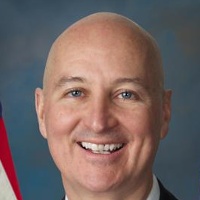
Pete Ricketts
Senator
NE
Pete Ricketts
Senator
NE
This resolution urges the United States and its European allies (the E3) to trigger the "snapback" mechanism under UN Security Council Resolution 2231 to reimpose international sanctions on Iran. It cites Iran’s repeated nuclear and missile program violations as a critical threat to global security. The resolution calls for this action to be taken before the legal authority for the snapback mechanism expires on October 18, 2025.
The "National Right-to-Work Act" prohibits mandatory union membership as a condition of employment, protecting employees' rights to choose whether or not to join or support a labor union.

Rand Paul
Senator
KY
Rand Paul
Senator
KY
The "National Right-to-Work Act" aims to protect individual employees' rights to choose whether or not to join or support a labor union. It amends the National Labor Relations Act and the Railway Labor Act to eliminate mandatory union membership or fees as a condition of employment. This ensures that employees cannot be forced to join or contribute to a union against their will. The changes apply to agreements made or renewed after the Act's enactment.
This bill repeals the requirement for financial institutions to collect and report data on small business loans under the Equal Credit Opportunity Act.

John Kennedy
Senator
LA
John Kennedy
Senator
LA
The "1071 Repeal to Protect Small Business Lending Act" repeals Section 704B of the Equal Credit Opportunity Act, which mandated data collection on small business loans. This repeal aims to reduce compliance costs for financial institutions, especially smaller ones, and improve small businesses' access to credit by removing regulatory barriers. The act also makes related amendments to the Equal Credit Opportunity Act and the Dodd-Frank Wall Street Reform and Consumer Protection Act.
This bill prevents the Department of Interior and Agriculture from banning lead ammunition and tackle on federal land unless the state approves the ban.
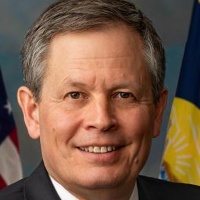
Steve Daines
Senator
MT
Steve Daines
Senator
MT
The "Protecting Access for Hunters and Anglers Act of 2025" prevents the Department of Interior and Department of Agriculture from banning or regulating lead ammunition and fishing tackle on federal lands and waters open to hunting and fishing. An exception is allowed in specific areas where lead is scientifically proven to be the primary cause of wildlife population decline, but any restrictions must align with state laws or have the approval of the state's fish and wildlife department. The reasoning for any such prohibition or regulation must be published in the Federal Register.
The Enhanced Iran Sanctions Act of 2025 imposes sanctions on those involved in logistical transactions with Iran's energy sector and establishes an interagency working group to coordinate and enforce these sanctions.
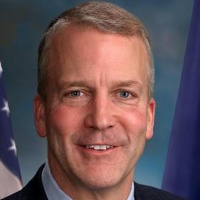
Dan Sullivan
Senator
AK
Dan Sullivan
Senator
AK
The Enhanced Iran Sanctions Act of 2025 aims to prevent Iran from obtaining nuclear weapons and countering its support for terrorism by imposing sanctions on those involved in logistical transactions of Iranian oil, gas, and petrochemical products. It mandates the President to block the property of sanctioned individuals and entities within the U.S. and deny them U.S. visas, with potential waivers based on national interest. The Act also establishes an Interagency Working Group to coordinate and enhance the enforcement of sanctions against Iran, and encourages the formation of a multilateral contact group with similar countries to coordinate international enforcement of sanctions against Iran. Finally, the Act amends the State Department Basic Authorities Act of 1956 to include identifying individuals or entities involved in activities that violate or evade sanctions under the Enhanced Iran Sanctions Act of 2025.
The "Protect Medicaid Act" prohibits federal Medicaid funding for state administrative costs of providing health benefits to unauthorized immigrants and requires a report on state practices for funding healthcare for non-citizens.

Bill Cassidy
Senator
LA
Bill Cassidy
Senator
LA
The "Protect Medicaid Act" prohibits federal Medicaid funding for state administrative costs associated with providing health benefits to unauthorized immigrants. It requires the Inspector General of the Department of Health and Human Services to report to Congress, detailing how states differentiate and fund health benefits for non-citizens ineligible for Medicaid, ensuring compliance with federal funding rules. The report will also analyze the impact of providing covered outpatient drugs to these non-citizens on drug prices.
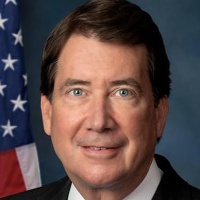
The "Credit Union Board Modernization Act" amends the Federal Credit Union Act to reduce the frequency of required board meetings for well-managed federal credit unions from monthly to at least six times per year after the first five years of operation.
Bill Hagerty
Senator
TN
Bill Hagerty
Senator
TN
The "Credit Union Board Modernization Act" amends the Federal Credit Union Act to reduce the frequency of board of directors meetings for well-managed federal credit unions. New federal credit unions are required to meet monthly for the first five years, while those with strong ratings must meet at least six times annually after the initial period. Credit unions with lower ratings will still be required to meet monthly.
The "Financing Our Energy Future Act" modifies the definition of "qualifying income" for publicly traded partnerships involved in green energy, expanding the scope of qualifying activities and technologies.

Jerry Moran
Senator
KS
Jerry Moran
Senator
KS
The "Financing Our Energy Future Act" amends the Internal Revenue Code to expand the definition of "qualifying income" for publicly traded partnerships involved in green energy projects. This expansion includes income from various renewable energy activities, such as generating and storing power from renewable sources, processing biomass, utilizing carbon capture technologies, and producing renewable chemicals. These changes aim to incentivize investment in and development of green energy technologies by allowing more green energy companies to qualify for PTP status. The amendments will take effect for taxable years starting after December 31, 2025.
The "Supporting Made in America Energy Act" mandates increased oil and gas lease sales on federal lands and waters, while extending a moratorium in the Eastern Gulf of Mexico and setting timelines for future leasing programs.
Steve Daines
Senator
MT
Steve Daines
Senator
MT
The "Supporting Made in America Energy Act" mandates the Secretary of the Interior to conduct a minimum number of oil and natural gas lease sales annually for both onshore and offshore lands, including specific requirements for the Gulf of Mexico and Alaska regions. It extends the moratorium on oil and gas leasing in the Eastern Gulf of Mexico until December 31, 2035, and sets deadlines for preparing subsequent oil and gas leasing programs. The Act also restricts the President's authority to pause or impede Federal energy mineral leasing processes without congressional approval.
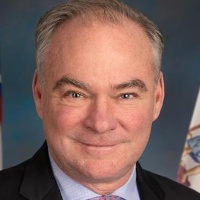
This resolution designates February 2025 as Career and Technical Education Month to recognize the vital role of CTE programs in developing a skilled workforce and preparing students for high-demand careers.
Timothy Kaine
Senator
VA
Timothy Kaine
Senator
VA
This resolution designates February 2025 as "Career and Technical Education Month" to recognize the vital role of CTE in preparing students for high-demand, skilled careers. It highlights the importance of workforce training in meeting modern economic needs and encourages educators, parents, and administrators to promote CTE as a valuable and respected educational pathway.
This bill eliminates an administrative fee under the Mineral Leasing Act, amends related sections of other acts to remove references to the fee, and corrects a typo.
Steve Daines
Senator
MT
Steve Daines
Senator
MT
The "Restoring State Mineral Revenues Act" eliminates an administrative fee charged under the Mineral Leasing Act, which will likely increase the amount of revenue states receive from mineral leasing on federal lands. It also makes necessary technical and conforming changes to other related laws, such as the Geothermal Steam Act of 1970 and the Federal Oil and Gas Royalty Management Act of 1982, to reflect the elimination of this fee.
The Regulations from the Executive in Need of Scrutiny Act of 2025 (REINS Act) would require congressional approval for major executive branch rules with significant economic impacts before they can take effect.
Rand Paul
Senator
KY
Rand Paul
Senator
KY
The "Regulations from the Executive in Need of Scrutiny Act of 2025" aims to increase transparency and accountability in federal agency rulemaking by requiring congressional approval for major rules with significant economic impact (over $100 million). It establishes procedures for congressional review and approval or disapproval of both major and non-major rules, mandates the publication of guidance documents, and sets expiration dates for major rules. The Act also requires agencies to conduct retrospective reviews of existing rules and includes a regulatory budget to control the costs of regulations. Additionally, the Government Accountability Office must study the number and economic impact of existing rules.
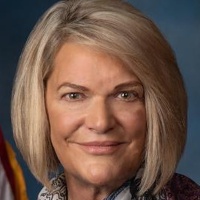
This joint resolution disapproves and nullifies the Forest Service’s "Law Enforcement; Criminal Prohibitions" rule, rendering it without force or effect.
Cynthia Lummis
Senator
WY
Cynthia Lummis
Senator
WY
This joint resolution invokes the Congressional Review Act to formally disapprove and nullify the U.S. Forest Service’s recent rule regarding law enforcement and criminal prohibitions. By passing this measure, Congress ensures the rule will have no force or effect.
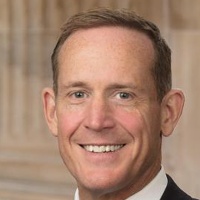
This Act establishes federal rules for the interstate transportation of knives, overriding conflicting state or local laws for legally permitted individuals.
Ted Budd
Senator
NC
Ted Budd
Senator
NC
The Interstate Transport Act of 2025 establishes federal rules governing the interstate transportation of knives, overriding conflicting state or local laws for individuals legally permitted to possess them. This legislation dictates specific storage requirements for knives when traveling by motor vehicle or other means, ensuring they are secured and inaccessible. Furthermore, the Act provides protections against arrest for lawful transport and mandates the expungement of records for those who successfully defend themselves under these provisions.
This Act mandates that new passenger vehicles sold in the U.S. must include standard equipment capable of receiving AM broadcast radio signals for emergency alerts and programming.
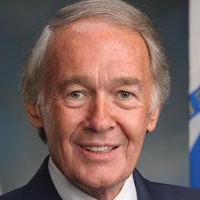
Edward Markey
Senator
MA
Edward Markey
Senator
MA
The AM Radio for Every Vehicle Act of 2025 mandates that new passenger vehicles sold in the U.S. must include standard equipment capable of receiving AM broadcast signals within a few years of the law's enactment. This requirement aims to ensure drivers retain access to crucial emergency alerts, overriding conflicting state or local laws. The bill also directs the GAO to study the reliability of AM radio versus other emergency alert technologies in vehicles.
The Emergency Fuel Reduction Act of 2025 expedites wildfire prevention and forest health projects on high-risk federal lands by streamlining environmental review requirements.
Cynthia Lummis
Senator
WY
Cynthia Lummis
Senator
WY
The Emergency Fuel Reduction Act of 2025 aims to accelerate wildfire prevention by streamlining the environmental review process for hazardous fuel reduction projects on high-risk federal lands. By creating new categorical exclusions under NEPA, the bill facilitates the rapid removal of fire hazards near communities and critical infrastructure. Additionally, the legislation promotes forest health and the protection of threatened or endangered species habitats.
The Fair Access to Banking Act aims to prevent financial institutions from denying services to individuals or businesses based on subjective or political reasons, ensuring fair and impartial access to financial services.

Kevin Cramer
Senator
ND
Kevin Cramer
Senator
ND
The Fair Access to Banking Act aims to ensure equal access to financial services by preventing banks and credit unions from denying services to individuals or entities engaged in lawful activities based on subjective or politically motivated reasons. It sets requirements for banks with over $10 billion in assets, prohibiting them from denying services based on reputational risk and requiring them to justify denials with documented, risk-based standards. The act also allows individuals to sue financial institutions that violate these requirements, with the potential for treble damages and attorney fees awarded to successful plaintiffs. Furthermore, it restricts access to Federal Reserve lending programs and the Automated Clearing House Network for institutions that fail to comply with the Act.
The JOBS Act of 2025 expands Federal Pell Grant eligibility to students enrolled in high-quality, short-term career and technical education programs that lead to recognized industry credentials.
Timothy Kaine
Senator
VA
Timothy Kaine
Senator
VA
The JOBS Act of 2025 expands Federal Pell Grant eligibility to include students enrolled in high-quality, short-term career and technical education programs. By supporting training that leads to industry-recognized credentials, the bill aims to better align postsecondary education with the needs of high-demand job sectors. Additionally, the legislation lowers the minimum Pell Grant threshold to increase financial aid accessibility for students pursuing these career-focused pathways.
The "Critical Water Resources Prioritization Act of 2025" amends the Endangered Species Act to allow exemptions for actions that address critical human water needs, under specific conditions and with mandated oversight.
Cynthia Lummis
Senator
WY
Cynthia Lummis
Senator
WY
The "Critical Water Resources Prioritization Act of 2025" amends the Endangered Species Act to allow exemptions for water management agencies to meet critical human water needs, such as drinking water and emergency services, if certain conditions are met. These conditions include implementing water conservation measures, exploring alternative water sources, and minimizing impacts on affected species. The Secretary of Interior can grant exemptions for up to 180 days, with possible renewals, and must report annually to Congress on all exemptions and their impacts. This act aims to balance essential human water needs with the protection of endangered species.
This joint resolution seeks to nullify the EPA’s rule regarding waste emissions charges for petroleum and natural gas systems.
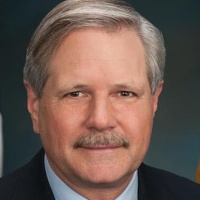
John Hoeven
Senator
ND
John Hoeven
Senator
ND
This joint resolution seeks to exercise congressional disapproval of the EPA’s "Waste Emissions Charge for Petroleum and Natural Gas Systems" rule. If passed, the resolution would nullify the rule, rendering it without force or effect.