Legislation
This bill stiffens penalties under the Armed Career Criminal Act by mandating a minimum 15-year sentence for individuals with three or more prior serious felony convictions who illegally possess a firearm.
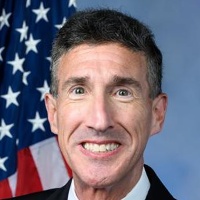
David Kustoff
Representative
TN
David Kustoff
Representative
TN
The Restoring the Armed Career Criminal Act amends the existing law to stiffen penalties for individuals convicted of firearm offenses who have three or more prior serious felony convictions. This bill establishes a mandatory minimum sentence of 15 years for these repeat offenders, with no possibility of probation or suspended sentences for the current offense. It also clarifies the definition of a "serious felony" as one where the maximum possible sentence was at least 10 years. These changes only apply to crimes committed after the law is enacted.
This bill reauthorizes and extends dedicated federal funding for Type 1 Diabetes research and diabetes programs for Native Americans through fiscal year 2027.

Susan Collins
Senator
ME
Susan Collins
Senator
ME
The Special Diabetes Program Reauthorization Act of 2025 extends critical funding for both Type 1 Diabetes research programs and diabetes programs serving Native Americans. This legislation secures specific annual appropriations of \$160 million for fiscal years 2026 and 2027, along with a transition allocation in late 2027. The bill ensures continued financial support for these vital public health initiatives through the end of 2027.
The VISIBLE Act mandates that federal immigration officers clearly display their agency and identification number or name on their outermost clothing during public enforcement activities to enhance transparency and accountability.
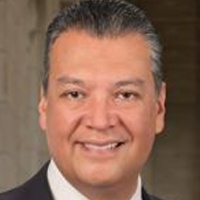
Alejandro Padilla
Senator
CA
Alejandro Padilla
Senator
CA
The VISIBLE Act mandates that federal immigration officers (CBP and ICE) clearly display their agency and name/badge number on their outermost clothing during all public-facing enforcement activities. This law aims to increase transparency and public trust by ensuring officers are easily identifiable from a distance. The Department of Homeland Security must report annually to Congress on compliance rates and disciplinary actions taken for violations. Furthermore, the DHS Office for Civil Rights and Civil Liberties will investigate public complaints regarding these new identification standards.
This Act mandates a comprehensive federal study to investigate the potential link between the use of chemical hair straighteners and the incidence of uterine cancer, with a specific focus on disparities among women of color.
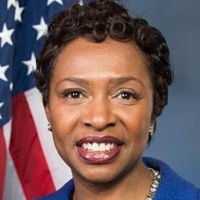
Yvette Clarke
Representative
NY
Yvette Clarke
Representative
NY
The Uterine Cancer Study Act of 2025 mandates a comprehensive federal study to investigate the potential link between the use of chemical hair straighteners and the risk of developing uterine cancer. This research must specifically examine disparities in cancer rates among women of color. The study will ultimately recommend whether the FDA should require additional safety testing for these hair products.
This bill mandates specialized training for Department of Labor personnel to enhance the detection and reporting of human trafficking cases, followed by annual reports to Congress on these efforts.
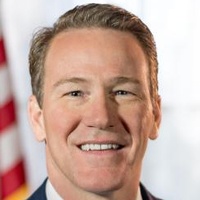
Jon Husted
Senator
OH
Jon Husted
Senator
OH
The Enhancing Detection of Human Trafficking Act mandates the Department of Labor to establish comprehensive, ongoing training for its personnel on identifying and referring potential human trafficking cases. This training must cover detection methods, identification techniques, and proper referral processes that prioritize victim protection. Furthermore, the Secretary of Labor is required to submit annual reports to Congress detailing the training provided and the human trafficking referrals made to the Department of Justice.
This Act establishes a pilot program to fund state-level nursing workforce centers to collect data, analyze workforce needs, and develop strategies to address nursing shortages.
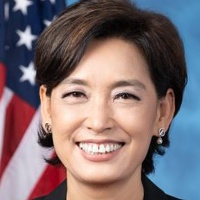
Young Kim
Representative
CA
Young Kim
Representative
CA
The National Nursing Workforce Center Act of 2025 establishes a new two-year pilot program to fund and evaluate state-based nursing workforce centers through competitive grants. These centers will focus on critical statewide activities like data analysis, studying nursing education capacity, and developing strategies to recruit and retain nurses. The bill also expands existing health workforce analysis grants to ensure dedicated funding and technical assistance for nursing-focused research and evaluation.
This bill mandates that federal mortgage agencies update their underwriting guidelines to require lenders to consider a borrower's cryptocurrency holdings when evaluating mortgage applications.
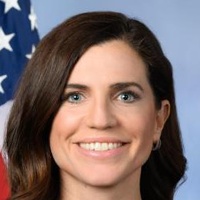
Nancy Mace
Representative
SC
Nancy Mace
Representative
SC
The American Homeowner Crypto Modernization Act of 2025 mandates that federal housing agencies update their mortgage underwriting guidelines to require lenders to consider a borrower's cryptocurrency holdings. This ensures that digital assets held in brokerage accounts are factored into the mortgage credit evaluation process. The goal is to modernize lending standards to reflect current asset ownership for homeowners seeking mortgages through HUD, VA, USDA, and FHFA-backed programs.
The Wildfire Resilient Communities Act allocates $\$30$ billion for federal hazardous fuels reduction projects, adds $\$3$ billion to community wildfire defense grants, reauthorizes and expands the Collaborative Forest Landscape Restoration Program, and establishes a new County Stewardship Fund.

Jeff Merkley
Senator
OR
Jeff Merkley
Senator
OR
The Wildfire Resilient Communities Act allocates \$30 billion for federal hazardous fuels reduction projects and adds \$3 billion to community wildfire defense grants. It also reauthorizes and updates the Collaborative Forest Landscape Restoration Program to enhance landscape resilience and collaboration. Finally, the bill establishes the County Stewardship Fund to return a portion of forest product revenue directly to counties for governmental use.
This resolution condemns the persecution of Christians in Muslim-majority countries and urges the President to prioritize their protection in U.S. foreign policy.
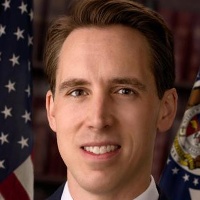
Joshua Hawley
Senator
MO
Joshua Hawley
Senator
MO
This resolution condemns the widespread persecution and discrimination faced by Christians in numerous Muslim-majority countries, citing specific examples of violence and severe restrictions. It strongly encourages the President to make the protection of these persecuted Christian communities a central priority in all United States foreign policy. The bill urges the use of diplomatic tools to advocate for religious freedom for Christians globally.
This bill changes the appointment process for the Director of the Bureau of Prisons to require confirmation by the President and Senate, and establishes a 10-year term limit.
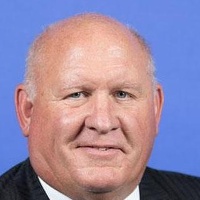
Glenn Thompson
Representative
PA
Glenn Thompson
Representative
PA
The Federal Prisons Accountability Act of 2025 seeks to increase oversight of the Bureau of Prisons (BOP) by changing how its Director is selected. This bill mandates that the Director of the BOP must now be appointed by the President and confirmed by the Senate, similar to other high-ranking DOJ officials. Furthermore, the legislation establishes a fixed 10-year term for the Director, limiting service to a single term. These changes aim to bring greater accountability to the leadership of the large federal prison system.
The Cool Corridors Act of 2025 extends funding for the Healthy Streets program to prioritize installing green infrastructure like trees along transportation routes in heat-vulnerable communities to mitigate extreme heat and improve transit access.
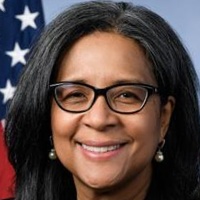
Marilyn Strickland
Representative
WA
Marilyn Strickland
Representative
WA
The Cool Corridors Act of 2025 aims to combat extreme heat and improve transportation safety by funding the installation of green infrastructure, like trees, along walking, biking, and transit routes. This legislation reauthorizes and updates the Healthy Streets program to prioritize these cooling projects in the most vulnerable and underserved communities. The Act defines "cool corridors" and establishes clear criteria for demonstration projects focused on heat mitigation and long-term maintenance.
The Clear Skies Act prohibits unauthorized weather modification activities that affect interstate commerce, establishes a public reporting and investigation system, and repeals all existing federal authority for such activities.
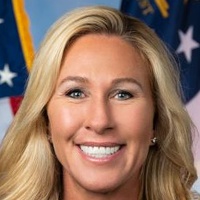
Marjorie Greene
Representative
GA
Marjorie Greene
Representative
GA
The Clear Skies Act establishes a strict prohibition on knowingly engaging in weather modification activities that involve interstate commerce, imposing severe criminal and civil penalties for violations. This legislation also mandates the creation of a public reporting and investigation system managed by the EPA for suspected breaches. Furthermore, the Act repeals all existing federal laws, rules, and orders that previously authorized or regulated weather modification efforts.
This bill expedites security assistance to Middle Eastern and North African partners who normalize relations with Israel and cooperate against Iranian threats, while safeguarding Israel's qualitative military edge.
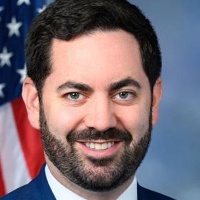
Michael Lawler
Representative
NY
Michael Lawler
Representative
NY
The Abraham Accords Defense Against Terror Act expedites security assistance and defense sales to Middle Eastern and North African countries that have normalized relations with Israel and cooperate against Iranian threats. This process requires a shortened 15-day congressional notification period from the President for approved transfers. Furthermore, the State Department must submit regular, public reports detailing the security strategy, threat assessments, and progress in countering Iranian proxies. Crucially, the Act ensures that these provisions do not undermine Israel's qualitative military edge.
The UNITY Act mandates studies on FEMA staffing retention and disaster response effectiveness in noncontiguous communities, and establishes a pilot program for preliminary damage assessments using new technology in those areas.
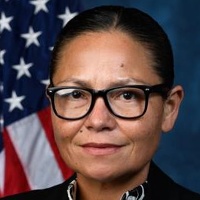
Kimberlyn King-Hinds
Representative
MP
Kimberlyn King-Hinds
Representative
MP
The UNITY Act aims to improve federal disaster response and workforce stability in geographically isolated, noncontiguous communities. It mandates studies by FEMA on retaining staff in these remote areas and by the GAO on improving disaster recovery coordination compared to mainland areas. Additionally, the bill establishes a pilot program for FEMA to test new technologies for preliminary damage assessments in these hard-to-reach locations.
This bill prohibits executive branch personnel from using physical force or detention against a Member of Congress conducting official oversight activities on federally controlled property, provided the Member is not posing an immediate physical danger.
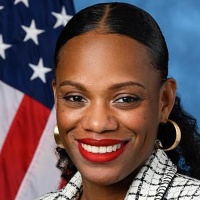
Summer Lee
Representative
PA
Summer Lee
Representative
PA
The Congressional Oversight Access Act prohibits federal employees from using physical force or detaining a Member of Congress who is conducting official oversight activities on federally controlled property. This protection applies when the Member identifies themselves and is not posing a clear and immediate physical danger. The Act ensures Congress can monitor federal operations while still respecting necessary security screenings.
This Act establishes standardized quarterly reporting requirements for states receiving opioid use disorder grants to improve oversight and transparency of federal expenditures.
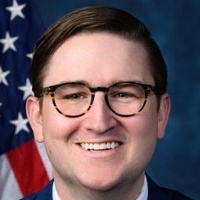
Addison McDowell
Representative
NC
Addison McDowell
Representative
NC
The Clarity for Opioid-Use Reduction and Expenditures Act (CURE Act) aims to improve oversight of federal opioid use disorder grants. It mandates that states adopt a standardized quarterly reporting system detailing how grant funds are spent and which entities received the money. This ensures Congress receives clearer, more comprehensive reports on the impact and allocation of these critical resources.
This Act mandates monthly, detailed incident and operational data reporting from autonomous and advanced driver-assistance vehicle companies to NHTSA, with the data subsequently made publicly available online.
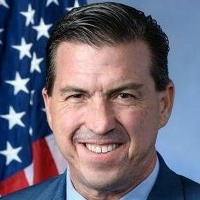
Kevin Mullin
Representative
CA
Kevin Mullin
Representative
CA
The AV Safety Data Act mandates that manufacturers and operators of autonomous and advanced driver-assistance vehicles submit detailed monthly reports to NHTSA regarding vehicle mileage, unplanned stops, and accidents. This new legislation requires NHTSA to make this collected data publicly accessible online in a machine-readable format within 120 days of enactment. The goal is to increase transparency and allow for public analysis of safety performance for these advanced vehicle systems.
The Farmers Feeding America Act mandates that food purchased with SNAP benefits must generally be American-made, processed, or grown, with limited exceptions, to support domestic agriculture.
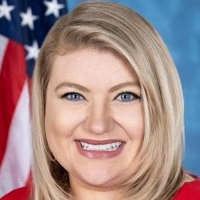
Katherine Cammack
Representative
FL
Katherine Cammack
Representative
FL
The Farmers Feeding America Act mandates that food purchased with Supplemental Nutrition Assistance Program (SNAP) benefits must generally be an American food product, defined as being grown and processed domestically with at least 51% U.S. ingredients. This legislation requires SNAP-authorized retailers to make a good-faith effort to stock these domestic items. Exemptions for imported food are allowed only if domestic supply is insufficient or if the requirement places an unfair burden on recipient households. The Secretary of Agriculture will oversee implementation, retailer compliance, and conduct annual reviews of the program's effectiveness.
This bill shortens breach reporting timelines, increases transparency for major defense program cost growth, and mandates termination for programs experiencing a second critical cost overrun.
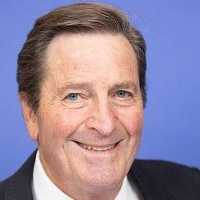
John Garamendi
Representative
CA
John Garamendi
Representative
CA
This bill aims to increase transparency and congressional oversight of Department of Defense major system cost growth. It shortens the timeline for reporting cost overruns and mandates the public release of certain reports. Furthermore, the legislation establishes stricter rules for programs experiencing repeated cost breaches, potentially leading to mandatory termination.
The Rescissions Act of 2025 immediately cancels billions in previously appropriated, unspent budget authority across various international operations, global health, development, and agency funding accounts.

Steve Scalise
Representative
LA
Steve Scalise
Representative
LA
The Rescissions Act of 2025 immediately cancels billions of dollars in previously appropriated budget authority across various federal programs. This bill specifically targets and rescinds unspent funds primarily related to international operations, global health initiatives, and foreign assistance accounts. The rescissions are enacted based on a proposal submitted by the President to Congress in June 2025.