Legislation
This act aligns reading instruction under the Elementary and Secondary Education Act with the evidence-based Science of Reading while explicitly excluding the three-cueing model.
Erin Houchin
Representative
IN
Erin Houchin
Representative
IN
The Science of Reading Act of 2026 amends federal education law to formally align reading instruction with the evidence-based "science of reading." This legislation defines the science of reading, explicitly excluding instructional methods like the three-cueing model. The Act prioritizes federal funding and requires state literacy plans to adopt these research-backed approaches for teaching reading and writing.
This act mandates the Small Business Administration to actively inform small businesses about the availability and benefits of individual coverage health reimbursement arrangements.
Beth Van Duyne
Representative
TX
Beth Van Duyne
Representative
TX
This bill, the Small Business Health Options Awareness Act of 2026, directs the Small Business Administration (SBA) to actively inform small businesses about Individual Coverage Health Reimbursement Arrangements (ICHRAs). The SBA must use its existing network, including Small Business Development Centers, to distribute educational materials on these employer-funded accounts. The goal is to raise awareness among small businesses regarding this alternative method for covering employee health costs.
This bill mandates the automatic revocation of citizenship for naturalized individuals convicted of providing material support to terrorists or designated foreign terrorist organizations.
Beth Van Duyne
Representative
TX
Beth Van Duyne
Representative
TX
The Getting Terrorist Fanatics Out Act of 2026 mandates the automatic revocation of citizenship for naturalized individuals convicted of providing material support to terrorists or designated foreign terrorist organizations. This action will be carried out by the court that handled the conviction. The bill aims to swiftly strip citizenship from those found guilty of serious terrorism-related offenses.
This bill establishes a grant program to fund residency training for OB-GYNs who must travel out of state for reproductive health care training due to restrictive state laws.
Kelly Morrison
Representative
MN
Kelly Morrison
Representative
MN
The SAFE Training for OB-GYNs Act establishes a federal grant program to help residency programs expand training in reproductive healthcare for professionals whose education is restricted by state abortion laws. This funding will support training programs and reimburse travel expenses for providers seeking necessary care education out of state. The program is authorized with $10 million annually from fiscal years 2027 through 2031.
This bill establishes graduated federal tax reporting requirements for tax-exempt hospitals based on their size and revenue, mandating detailed disclosures on community health needs, finances, and operations.
Gregory Murphy
Representative
NC
Gregory Murphy
Representative
NC
The Tax Exempt Hospital Transparency Act mandates graduated, increased reporting requirements for tax-exempt hospitals based on their size and revenue. These new rules require hospitals to detail their community health needs assessments, financial assistance programs, and operational spending on their annual tax returns. Larger and high-revenue hospitals face additional stringent reporting on service line finances, advertising costs, and participation in the 340B drug discount program. The bill also requires a GAO study on compliance costs and potential tax revenue from these organizations.
This bill expands the national small business policy to prioritize federal antitrust enforcement against anticompetitive conduct harming small businesses and requires regular reporting on these enforcement actions.
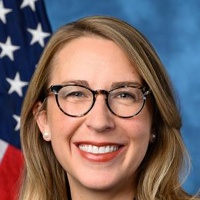
Hillary Scholten
Representative
MI
Hillary Scholten
Representative
MI
The Main Street Competes Act expands federal economic policy to prioritize competitive markets and consumer choice through antitrust enforcement that protects small businesses. It mandates regular, detailed reporting from the Department of Justice and the Federal Trade Commission on how their antitrust actions specifically impact small businesses. Finally, the Small Business Administration's Office of Advocacy will analyze this data and report recommendations to Congress on promoting competition.
This act establishes an Office of Native American Affairs within the SBA to enhance entrepreneurial development, contracting, and capital access for Indian Tribes and Native Hawaiian Organizations.
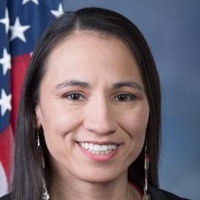
Sharice Davids
Representative
KS
Sharice Davids
Representative
KS
The Native American Entrepreneurial Opportunity Act establishes an Office of Native American Affairs within the Small Business Administration (SBA). This office will focus on connecting Indian Tribes and Native Hawaiian Organizations with SBA resources for entrepreneurial development, contracting, and capital access. Headed by an Assistant Administrator with relevant cultural knowledge, the Office aims to promote economic growth for these communities before its authority sunsets after seven years.
This Act mandates regular reports from the SBA Inspector General detailing fraud statistics related to specific COVID-19 relief loans, while ensuring implementation costs are offset.
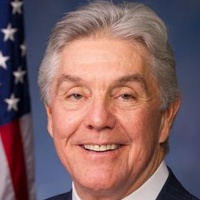
Roger Williams
Representative
TX
Roger Williams
Representative
TX
The COVID Fraud Transparency Act of 2026 mandates the Small Business Administration's Inspector General to regularly report on the scope and resolution of fraud related to specific COVID-19 relief loans, such as the Paycheck Protection Program. These reports will detail the volume of loans, new and resolved fraud cases, and the types of fraud identified. The reporting requirements are set to terminate two years after the Act's enactment, and implementation must comply with "Cut-As-You-Go" budget rules.
This Act enhances accountability and transparency for Small Business Administration (SBA) disaster loans through expanded reporting requirements, detailed budget submissions, low-funding notifications, and independent GAO reviews.
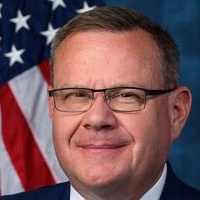
Tim Moore
Representative
NC
Tim Moore
Representative
NC
The Disaster Loan Accountability and Reform Act (DLARA) aims to increase transparency and oversight of Small Business Administration (SBA) disaster loan programs. It mandates expanded monthly reporting on loan funding levels, requires detailed breakdowns in future Presidential budget requests, and imposes new notification requirements when disaster loan funds become critically low. Additionally, the bill directs the GAO to report on loan disbursement rates and the financial impact of recent program changes.
This Act establishes a grant program to expand training in abortion care for health professionals and encourage them to become abortion providers, especially in underserved communities.
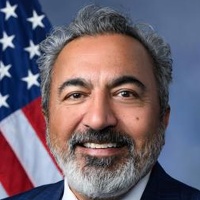
Ami Bera
Representative
CA
Ami Bera
Representative
CA
The Reproductive Health Care Training Act of 2026 establishes a grant program to expand training in abortion care for health professionals. Administered by HRSA, this program awards funds to eligible entities in states where such training is permissible. The goal is to encourage more clinicians to become abortion providers, with a focus on improving access for medically underserved communities.
The Stop Spying Bosses Act restricts employers from excessively collecting, using, and transferring employee data, mandates transparency and access rights for workers, and establishes enforcement mechanisms through the Department of Labor.
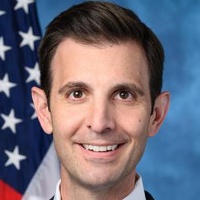
Chris Deluzio
Representative
PA
Chris Deluzio
Representative
PA
The Stop Spying Bosses Act establishes comprehensive federal protections regarding the collection and use of employee data by employers. It strictly limits what data employers can collect, bans surveillance unrelated to essential job functions, and mandates transparency about data practices. The bill also grants workers rights to access and correct their data, creates a new Department of Labor division to oversee the law, and establishes robust enforcement mechanisms, including private lawsuits and the invalidation of forced arbitration agreements.
This Act directs the Secretary of Defense to study and report on service members separated for refusing the COVID-19 vaccine and the status of their transferred education benefits for dependents.
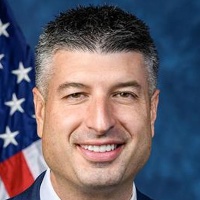
Tom Barrett
Representative
MI
Tom Barrett
Representative
MI
This Act directs the Secretary of Defense to study and report on service members separated for refusing the COVID-19 vaccine mandate. The report must detail the number of separated members and the status of any education benefits they transferred to dependents. This information will be made publicly available to ensure transparency regarding these separations and benefit transfers.
This bill establishes a VA grant program to fund immigration legal services for noncitizen veterans facing removal, seeking naturalization, or needing assistance with reentry.
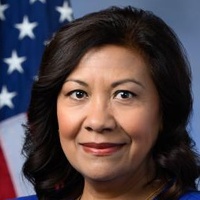
Norma Torres
Representative
CA
Norma Torres
Representative
CA
The Honor Their Service Act establishes a Department of Veterans Affairs grant program to fund essential immigration legal services for noncitizen veterans. These services will assist eligible veterans with issues such as defense in removal proceedings, naturalization applications, and seeking lawful reentry. The goal is to ensure these veterans, who have served the U.S., can access the legal support necessary to remain in or return to the country.
This bill strengthens tribal input on food distribution programs and establishes emergency procedures for supply chain disruptions affecting food aid on Indian reservations.
Sharice Davids
Representative
KS
Sharice Davids
Representative
KS
The Increasing Tribal Input on Nutrition Act of 2026 strengthens tribal consultation requirements for federal food distribution programs serving Indian reservations. It establishes clear procedures for the Department of Agriculture to respond to supply chain disruptions by designating emergency contractors or providing direct payments to Tribes. The bill also enhances tribal input and supply chain responsiveness within the Commodity Supplemental Food Program.
The Latonya Reeves Freedom Act of 2026 strengthens the right to community-based long-term services and supports to ensure individuals with disabilities can live integrated lives of their choosing.

Michael Bennet
Senator
CO
Michael Bennet
Senator
CO
The Latonya Reeves Freedom Act of 2026 aims to strengthen the right to community-based services for individuals eligible for long-term supports and services (LTSS), ensuring they can live in the most integrated setting of their choice. It prohibits discrimination by states and LTSS providers against individuals seeking community living over institutionalization. The Act mandates comprehensive planning, self-evaluation, and enforceable objectives to transition people out of institutions and address disparities in service delivery.
This bill mandates a GAO study and report to Congress detailing the impact of artificial intelligence on the U.S. workforce, including job displacement, creation, and alteration.
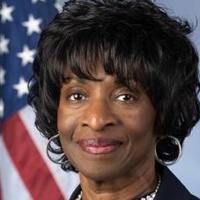
Valerie Foushee
Representative
NC
Valerie Foushee
Representative
NC
The AI Workforce Impact Study Act of 2026 mandates that the Government Accountability Office (GAO) conduct a comprehensive study on the effects of artificial intelligence on the U.S. workforce. This report must detail job displacement, creation, and alteration due to AI, broken down by demographics and industry. The study aims to provide Congress with essential data to understand AI's current impact and address limitations in federal data collection.
This bill enhances Medicaid Recovery Audit Contractor (RAC) program oversight, expands its scope to managed care plans, and mandates increased reporting and studies to improve payment integrity.

Gus Bilirakis
Representative
FL
Gus Bilirakis
Representative
FL
The Medicaid RAC Improvement Act of 2026 aims to strengthen oversight and transparency of the Medicaid Recovery Audit Contractor (RAC) program. It expands RAC review to include claims from managed care plans and requires annual reporting to Congress on program effectiveness. The bill also mandates studies and a demonstration project to address barriers states face in implementing robust payment integrity reviews.
This bill mandates the Small Business Administration to submit annual reports to Congress detailing its use, benefits, and risks associated with artificial intelligence and machine learning technologies.
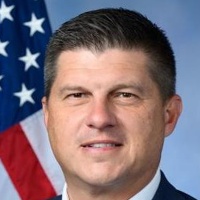
Brad Finstad
Representative
MN
Brad Finstad
Representative
MN
The SBA Artificial Intelligence Utilization Act of 2026 mandates that the Small Business Administrator submit annual reports to Congress detailing the agency's use of artificial intelligence (AI) and machine learning (ML). These reports must outline the benefits, risks, and management strategies for these technologies, ensuring human oversight in critical decisions. Additionally, the Administrator must provide an in-person briefing to relevant committees following each report submission.
This bill mandates the Small Business Administration to submit an annual report detailing participation, application statistics, and processing times for key small business contracting programs.
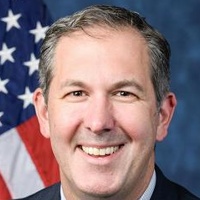
Johnny Olszewski
Representative
MD
Johnny Olszewski
Representative
MD
The Oversight and Transparency for Small Business Certifications Act of 2026 mandates that the Small Business Administration (SBA) submit an annual report detailing participation data for key small business contracting programs. This report, delivered with the President’s budget, will cover the 8(a), women-owned, SDVOSB, and HUBZone programs. It requires comprehensive statistics on application volume, certification status, and processing times for each program. The goal is to increase transparency regarding how small businesses access federal contracting opportunities.
This comprehensive bill restricts Congressional stock trading, mandates paid time off for most workers, expands Medicare coverage for fall prevention items, increases military pay, and addresses clean energy tax credits.
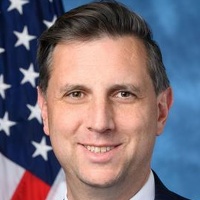
Seth Magaziner
Representative
RI
Seth Magaziner
Representative
RI
The "Improving the Lives of the American People Act" is a comprehensive bill addressing ethics reform, paid leave, energy credits, healthcare coverage, and national security. Key provisions include new restrictions on stock trading by federal officials, the establishment of a federal paid annual leave standard for most workers, and expanding Medicare coverage for fall prevention items. The legislation also modifies clean energy tax credits and enhances oversight of intelligence activities within the Department of Homeland Security.