Legislative Activity
Track Glenn's sponsored bills, co-sponsored legislation, and voting record
The Treat and Reduce Obesity Act of 2025 expands Medicare coverage for intensive behavioral therapy for obesity and mandates Part D coverage for certain weight management medications for eligible beneficiaries.
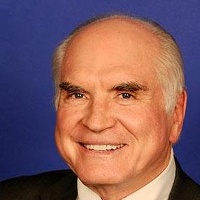
Mike Kelly
Representative
PA
Mike Kelly
Representative
PA
The Treat and Reduce Obesity Act of 2025 aims to combat the growing obesity epidemic, particularly among older adults, by expanding access to intensive behavioral therapy under Medicare. This bill mandates that Medicare Part D plans begin covering FDA-approved medications for obesity and weight management in individuals with related health conditions. Finally, it requires the Secretary of HHS to report regularly to Congress on the implementation and coordination of these new obesity treatment strategies.
This bill mandates a study by the Comptroller General on the capabilities, limitations, and resource needs of current weather monitoring systems in rural areas.
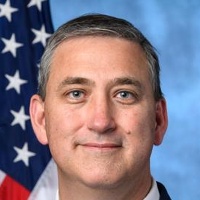
Nathaniel Moran
Representative
TX
Nathaniel Moran
Representative
TX
The Rural Weather Monitoring Systems Act mandates a comprehensive study by the Comptroller General on the current capabilities and limitations of weather monitoring in rural areas. This report will assess resource availability, identify underserved locations, and detail the obstacles rural communities face in establishing or upgrading their weather systems. The goal is to determine the necessity of improved weather monitoring infrastructure across the countryside.
This bill allows associations of employers to sponsor group health plans, treating them as a single employer under ERISA, with specific requirements for plan structure and premium rating.
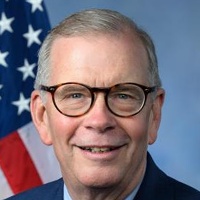
Tim Walberg
Representative
MI
Tim Walberg
Representative
MI
The Association Health Plans Act amends federal law to allow certain groups or associations of employers to sponsor a single group health plan, treating them as a single employer for coverage purposes. This aims to expand access to health coverage by enabling broader risk pooling across different industries. The bill establishes specific criteria these associations must meet to qualify, including minimum size and operational standards. Finally, it outlines rules for setting premium rates and prohibits discrimination based on health status for plans established under this Act.
This bill nullifies the Department of Labor's recently published final rule updating the Davis-Bacon and Related Acts regulation.
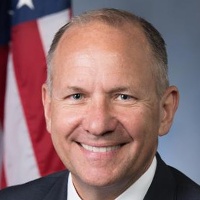
Lloyd Smucker
Representative
PA
Lloyd Smucker
Representative
PA
This bill seeks to immediately nullify the Department of Labor's recently published final rule updating the Davis-Bacon and Related Acts regulation. If enacted, the measure would ensure that the new wage rule, published on August 24, 2023, has no force or legal effect. Essentially, this legislation cancels the Department of Labor's latest changes to the prevailing wage requirements for federally funded construction projects.
The VET Act of 2025 establishes a grant program to incentivize energy industry employers to hire and train transitioning service members, veterans, and their spouses.
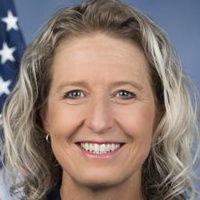
Jennifer Kiggans
Representative
VA
Jennifer Kiggans
Representative
VA
The Veterans Energy Transition Act of 2025 (VET Act) establishes a new grant program administered by the Secretary of Labor to incentivize organizations to hire active duty military members, veterans, and their spouses for jobs in the energy industry. These grants reimburse employers for training, recruitment, and other costs associated with employing these "covered individuals." The program prioritizes hiring those with relevant skills and aims to coordinate with existing transition services to ensure effective job placement.
The Community Paramedicine Act of 2025 establishes a grant program administered by HRSA to fund specially trained paramedics providing mobile healthcare services, particularly in rural and Tribal communities.
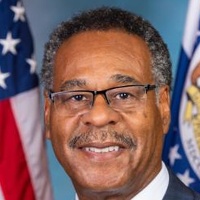
Emanuel Cleaver
Representative
MO
Emanuel Cleaver
Representative
MO
The Community Paramedicine Act of 2025 establishes a new grant program administered by HRSA to support specially trained paramedics providing mobile healthcare services outside of emergency calls, primarily in rural areas. Eligible non-profit entities can apply for up to $\$1.5$ million over five years to fund staffing, equipment, training, and medical oversight for these patient-centered services. The bill specifically reserves a portion of funding for Tribal community programs and requires rigorous reporting on program outcomes.
This act ensures that time spent receiving outpatient observation services in a hospital counts toward the required 3-day inpatient stay for Medicare coverage of skilled nursing facility services.
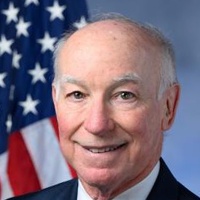
Joe Courtney
Representative
CT
Joe Courtney
Representative
CT
The Improving Access to Medicare Coverage Act of 2025 ensures that time spent receiving outpatient observation services in a hospital counts toward the required 3-day inpatient stay needed to qualify for Medicare coverage of skilled nursing facility (SNF) services. This change effectively removes a significant barrier to accessing post-hospital care for many Medicare beneficiaries. The Secretary of HHS is authorized to implement this rule immediately.
The Community TEAMS Act of 2025 establishes grants for medical schools to partner with rural and underserved health facilities to expand community-based clinical training for medical students.
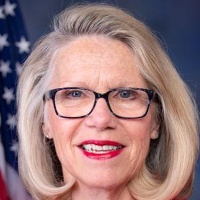
Carol Miller
Representative
WV
Carol Miller
Representative
WV
The Community TEAMS Act of 2025 establishes new federal grants to fund partnerships between medical schools and local health facilities in rural and medically underserved communities. These grants aim to expand clinical training opportunities for medical students in high-need areas. The ultimate goal is to encourage these students to establish long-term medical practices within those communities after graduation.
This bill expands eligibility for Clean Water State Revolving Fund assistance to qualified nonprofit organizations and establishes specific rules and limitations for funding privately owned treatment works.
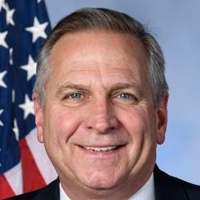
Mike Bost
Representative
IL
Mike Bost
Representative
IL
The Clean Water SRF Parity Act of 2025 expands eligibility for federal water pollution control funding to include qualified nonprofit organizations for treatment works projects. It also establishes specific rules for how funds can be used by privately owned treatment works, ensuring assistance primarily benefits users rather than shareholders. Furthermore, the Act prohibits states from providing additional subsidies to these specific nonprofit and privately owned entities receiving assistance under these new provisions.
This resolution officially recognizes and honors the 250th anniversary of the United States Army, celebrating its history, valor, and enduring commitment to national defense.
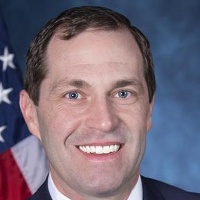
Jason Crow
Representative
CO
Jason Crow
Representative
CO
This resolution formally recognizes and honors the 250th birthday of the United States Army, celebrating its 250 years of service, valor, and dedication to defending American freedom. Congress expresses deep appreciation for the Army's history, its commitment to core values, and its current readiness to meet any future global challenge. The resolution encourages the American public to observe this significant anniversary with appropriate ceremonies.
This act updates WIC terminology and mandates the development of specialized nutrition education and outreach for participants affected by substance use disorder.
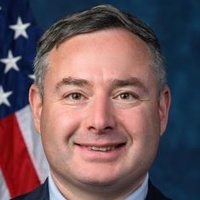
Eugene Vindman
Representative
VA
Eugene Vindman
Representative
VA
The Supporting Healthy Mothers and Infants Act of 2025 updates the WIC program by replacing outdated terminology with "substance use disorder." This legislation mandates the development of specialized, evidence-based nutrition education materials for WIC participants affected by substance use disorder. Furthermore, it requires the Secretary of Agriculture to actively reach out to and support these families through training and resource sharing. The Act authorizes $1 million for fiscal year 2026 to implement these new support activities.
This resolution formally declares the inherent value of every human life, recognizes the *Dobbs* decision, and establishes an annual "Life Month" to support policies and resources that protect the unborn and assist new families.
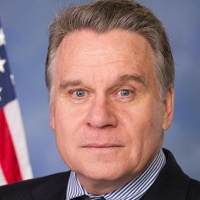
Christopher Smith
Representative
NJ
Christopher Smith
Representative
NJ
This joint resolution formally establishes "Life Month" to affirm the fundamental value and inherent dignity of every human life as an unalienable right. It recognizes the Supreme Court's *Dobbs* decision and urges Congress to enact laws protecting unborn life. Furthermore, the resolution commends organizations and individuals who support pregnant women and new families.
This resolution strongly condemns the rise of antisemitism in the United States and honors the memory of Yaron Lischinsky and Sarah Milgrim, who were murdered while promoting peace.
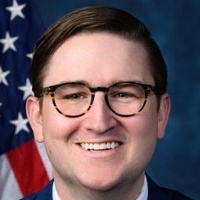
Addison McDowell
Representative
NC
Addison McDowell
Representative
NC
This resolution strongly condemns the rise of antisemitism in the United States and around the world. It specifically honors the memory of Yaron Lischinsky and Sarah Milgrim, who were tragically murdered while promoting peace. Ultimately, Congress reaffirms its commitment to combating all forms of hate and ensuring the vigorous enforcement of laws protecting religious freedom.
This resolution calls upon all Americans to observe Memorial Day 2025 by honoring the service members who died defending freedom and peace.
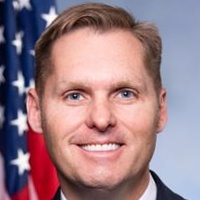
Michael Guest
Representative
MS
Michael Guest
Representative
MS
This resolution calls upon all Americans to observe Memorial Day, 2025, as a solemn occasion to honor the men and women of the Armed Forces who made the ultimate sacrifice in the pursuit of freedom and peace. Congress recognizes the profound debt owed to these patriots who have died defending American values globally. The bill encourages a national expression of respect, pride, and gratitude for their service and sacrifice.
This Act amends the Workforce Innovation and Opportunity Act to explicitly prioritize and integrate digital literacy skills training within adult education programs.
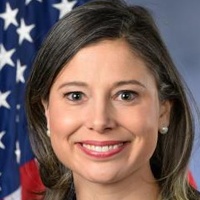
Maggie Goodlander
Representative
NH
Maggie Goodlander
Representative
NH
The Investing in Digital Skills Act amends the Workforce Innovation and Opportunity Act (WIOA) to prioritize digital literacy within adult education programs. This legislation explicitly mandates that adult education must focus on equipping individuals with the necessary digital literacy skills for full participation in modern life. The bill updates definitions and program requirements to ensure digital proficiency is a core component of adult learning and workforce readiness.
This bill mandates an independent review of VA claimant forms to ensure clarity and establishes a timeline for implementing necessary improvements, while also slightly extending a current limit on certain pension payments.
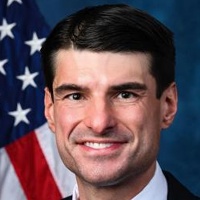
Robert Bresnahan
Representative
PA
Robert Bresnahan
Representative
PA
The Simplifying Forms for Veterans Claims Act mandates an independent review of all Department of Veterans Affairs (VA) forms sent to claimants to ensure they are clear and easy to understand. The VA Secretary must hire an outside entity to assess these forms and implement recommendations for improvement within a set timeline. Additionally, this bill slightly extends the expiration date for certain limits on veterans' pension payments.
This Act establishes a demonstration project to supplement Medicare payments for EMS agencies stocking life-saving medications and blood products, while also mandating reports on EMS payment models and hospital EMS offload times.
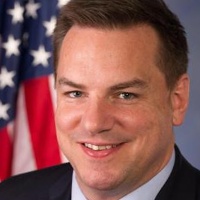
Richard Hudson
Representative
NC
Richard Hudson
Representative
NC
The When Minutes Count for Emergency Medical Patients Act establishes a demonstration project to provide supplemental Medicare payments to ambulance services for stocking and using critical life-saving medications and blood products during severe emergencies. The bill also mandates a comprehensive report from MedPAC analyzing Medicare payments for EMS professionals and medical directors, alongside requiring HHS to issue guidance aimed at reducing excessive wait times for EMS crews handing off patients at hospitals. Overall, the legislation seeks to improve emergency care quality and supply chain reliability for essential medical resources.
This resolution honors law enforcement officers killed in the line of duty, specifically recognizing those who died in 2024, and expresses support for active officers and their need for proper resources.
Michael Guest
Representative
MS
Michael Guest
Representative
MS
This resolution formally honors law enforcement officers killed in the line of duty, specifically recognizing the 345 officers whose service ended in 2024. It reaffirms support for all active officers and emphasizes the need to ensure they have the proper resources and training to perform their duties safely. The bill serves as a formal expression of gratitude and remembrance for their ultimate sacrifice.
This resolution calls upon local communities to support organizations that aid Gold Shield Families—the loved ones of first responders who died in the line of duty.
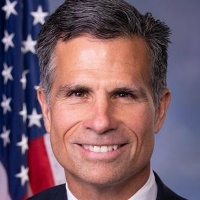
Daniel Meuser
Representative
PA
Daniel Meuser
Representative
PA
This resolution expresses gratitude to the families of first responders who died in the line of duty, known as Gold Shield Families. It recognizes the profound sacrifice made by these families and calls upon local communities to support the nonprofit organizations that provide them with essential resources and aid during their time of need. The bill emphasizes the nation's ongoing commitment to honoring both the fallen heroes and their surviving loved ones.
This Act mandates that health plans cover medically necessary treatment for congenital anomalies or birth defects affecting the eyes, ears, teeth, mouth, or jaw to restore normal function and appearance.
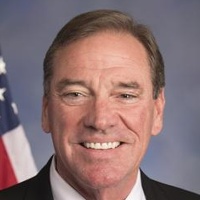
Neal Dunn
Representative
FL
Neal Dunn
Representative
FL
The Ensuring Lasting Smiles Act mandates that group health plans and insurance policies provide comprehensive coverage for medically necessary treatment related to congenital anomalies or birth defects affecting the eyes, ears, teeth, mouth, or jaw. This coverage must include services needed to restore normal function and appearance, including necessary dental and orthodontic support. Plans must apply cost-sharing rules no more restrictive than those for other medical benefits, excluding purely cosmetic procedures.