Legislative Activity
Track Mike's sponsored bills, co-sponsored legislation, and voting record
This act removes the White House and its grounds from a specific list of protected properties under existing historic preservation law.
Jamie Raskin
Representative
MD
Jamie Raskin
Representative
MD
The People's White House Historic Preservation Act removes the White House and its grounds from a specific list of properties under current preservation law. This action reclassifies the status of the White House regarding federal historic preservation regulations.
This bill establishes a Diversity and Inclusion Administrator, requires apprenticeship programs to submit plans to increase African American participation, and authorizes grants to expand diversity in registered apprenticeship programs.
David Scott
Representative
GA
David Scott
Representative
GA
This Act addresses the significant unemployment disparities faced by young African Americans by strengthening pathways into registered apprenticeship programs. It establishes a Diversity and Inclusion Administrator within the Department of Labor to promote greater participation from underrepresented groups. Furthermore, the bill authorizes a competitive grant program to help entities create or expand apprenticeships, requiring applicants to submit plans specifically aimed at increasing African American enrollment.
This bill expands Medicare coverage for advance care planning discussions and establishes a voluntary program for Medicare beneficiaries to certify and securely store their advance medical directives.
Gregory Murphy
Representative
NC
Gregory Murphy
Representative
NC
The MAP for Care Act expands Medicare coverage to pay providers specifically for time spent discussing and documenting a beneficiary's future medical care preferences. It establishes a voluntary national program to help Medicare beneficiaries create and securely store certified advance directives, such as living wills. The bill ensures these planning conversations are voluntary and prohibits discrimination based on participation. Finally, it directs the development of provider education and sets standards for accredited vendors managing these electronic directives.
This act nullifies a recent Executive Order regarding federal labor relations and ensures existing collective bargaining agreements remain in effect.
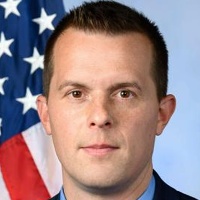
Jared Golden
Representative
ME
Jared Golden
Representative
ME
The Protect America's Workforce Act nullifies a specific Executive Order issued in March 2025 concerning exclusions from federal labor-management relations programs. This legislation ensures that any existing collective bargaining agreements between federal agencies and employee unions remain fully in effect until their stated expiration dates. The Act also prohibits the use of federal funds to implement the overturned Executive Order.
This resolution commends state and local governments for championing reproductive rights as human rights while condemning abortion restrictions and criminalization following the *Dobbs* decision.
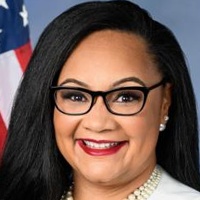
Nikema Williams
Representative
GA
Nikema Williams
Representative
GA
This concurrent resolution commends state and local governments for championing reproductive rights as human rights following the overturning of *Roe v. Wade*. It declares that denying abortion care leads to severe health risks and highlights the criminalization of pregnancy outcomes across the U.S. The resolution urges states to repeal abortion restrictions and affirm that reproductive rights are fundamental human rights.
This bill officially designates the U.S. Postal Service facility at 130 South Patterson Avenue in Santa Barbara, California, as the Brigadier General Frederick R. Lopez Post Office Building.
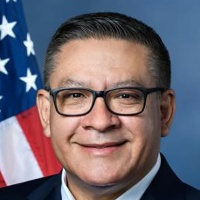
Salud Carbajal
Representative
CA
Salud Carbajal
Representative
CA
This bill officially designates the United States Postal Service facility located at 130 South Patterson Avenue in Santa Barbara, California, as the **Brigadier General Frederick R. Lopez Post Office Building**. This change ensures all federal records and documents will use the new name for this specific post office.
This act ensures public broadcasting entities have a dedicated annual application period to receive grants for the Next Generation Warning System.
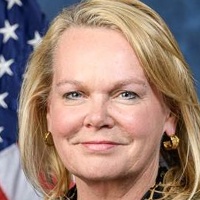
April McClain Delaney
Representative
MD
April McClain Delaney
Representative
MD
The Emergency Alert Grant Fairness Act ensures public broadcasting entities have an annual opportunity to apply for FEMA's Next Generation Warning System grants. This legislation mandates that the application period for these critical warning system grants remains open for at least 30 days each year.
The Rural Recovery Act of 2025 establishes a USDA program to provide technical assistance to small rural communities recovering from major presidential-declared disasters.
April McClain Delaney
Representative
MD
April McClain Delaney
Representative
MD
The Rural Recovery Act of 2025 establishes a new program within the USDA to provide essential technical assistance to small rural communities recovering from major Presidential-declared disasters. This assistance will help eligible communities with planning, securing federal and state funding, and implementing recovery projects across various infrastructure sectors. The program is funded through annual appropriations and provides support for up to three years following a disaster declaration.
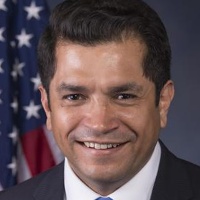
This act rescinds significant immigration enforcement funding while establishing multiple new tax credits aimed at increasing housing affordability for first-time buyers, builders of starter homes, and renters, alongside incentives for converting commercial buildings into affordable housing.
Jimmy Gomez
Representative
CA
Jimmy Gomez
Representative
CA
The Make Housing Affordable and Defend Democracy Act aims to increase housing accessibility through several tax incentives while simultaneously rescinding significant funding previously allocated for immigration enforcement. Key provisions establish new tax credits for first-time homebuyers, builders of starter homes, and the conversion of commercial buildings into affordable rentals. Additionally, the bill introduces a Renter Tax Credit for those spending over 30% of their income on rent, with an option for monthly advance payments.
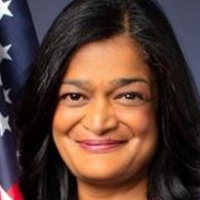
The Dignity for Detained Immigrants Act establishes comprehensive standards, rigorous oversight, and new custody procedures to ensure humane treatment and due process for all noncitizens detained by the Department of Homeland Security, while phasing out for-profit detention facilities.
Pramila Jayapal
Representative
WA
Pramila Jayapal
Representative
WA
The Dignity for Detained Immigrants Act aims to overhaul immigration detention by establishing mandatory, high standards based on ABA guidelines and increasing transparency through rigorous, unannounced inspections. The bill prohibits the use of private, for-profit detention facilities within three years and ends the mandatory detention of most noncitizens, prioritizing release or community-based alternatives. Furthermore, it establishes new due process rights, including timely custody hearings, a presumption of release, and prohibitions on detaining children or using solitary confinement.
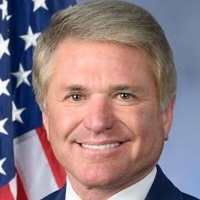
The Mikaela Naylon Give Kids a Chance Act primarily focuses on enhancing pediatric drug research, ensuring completion of pediatric study requirements, extending incentives for rare pediatric disease treatments, and making targeted updates to FDA and organ transplant network operations.
Michael McCaul
Representative
TX
Michael McCaul
Representative
TX
The Mikaela Naylon Give Kids a Chance Act focuses primarily on improving pediatric drug development and ensuring patient access to necessary treatments. This legislation mandates new research requirements for molecularly targeted pediatric cancer drugs, strengthens FDA enforcement of pediatric study completion, and extends incentives for developing drugs for rare pediatric diseases. Additionally, the bill updates organ transplant network functions and establishes an Abraham Accords Office within the FDA to enhance international regulatory cooperation.
This act establishes a \$462.5 million emergency fund to ensure SNAP benefits continue without reduction during funding shortfalls or government shutdowns, while also protecting essential program staff from furlough.
April McClain Delaney
Representative
MD
April McClain Delaney
Representative
MD
The Food Bank Emergency Support Act of 2025 establishes a \$462.5 million emergency fund to ensure the Supplemental Nutrition Assistance Program (SNAP) can continue providing full benefits during funding shortfalls or government shutdowns. These funds are specifically appropriated to prevent benefit reductions when other resources are insufficient. Furthermore, the Act ensures essential SNAP staff can continue working during a lapse in appropriations.
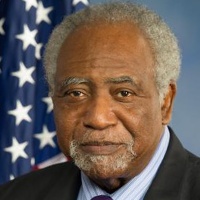
This Act prohibits discrimination based on religion, sex, or marital status in federally funded child welfare services to improve outcomes for all children, especially LGBTQ youth.
Danny Davis
Representative
IL
Danny Davis
Representative
IL
The John Lewis Every Child Deserves a Family Act prohibits discrimination based on religion, sex, or marital status in federally funded child welfare services. This aims to increase the number of stable, family-like placements for children, especially for LGBTQ youth who are overrepresented in foster care. The bill mandates federal guidance, training, and data collection to improve safety and well-being outcomes for all children involved in the system.
This Act establishes an interagency task force to combat foreign robocalls, modifies FCC review frequency, introduces a bond requirement for the Robocall Mitigation Database, and grants immunity for private efforts to trace unlawful robocall origins.
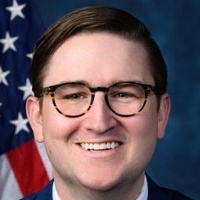
Addison McDowell
Representative
NC
Addison McDowell
Representative
NC
The Foreign Robocall Elimination Act establishes an interagency taskforce to study and recommend strategies for combating unlawful robocalls originating from outside the United States. It also grants the FCC authority to require providers to post a bond to ensure integrity in the Robocall Mitigation Database. Furthermore, the bill provides legal immunity for private consortiums tracing the origin of these illegal calls and allows for the publication of non-cooperative providers.
This bill officially renames the United States Postal Service facility at 28201 Franklin Parkway in Santa Clarita, California, as the "Deputy Ryan Clinkunbroomer Post Office Building."
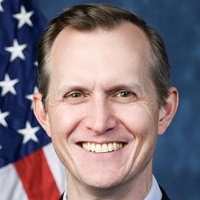
George Whitesides
Representative
CA
George Whitesides
Representative
CA
This bill officially designates the United States Postal Service facility at 28201 Franklin Parkway in Santa Clarita, California, as the "Deputy Ryan Clinkunbroomer Post Office Building." The legislation ensures that all future official references to this location will use the new name.
This act mandates Medicare coverage for FDA-approved early detection screening tests for Alzheimer's disease and related dementias beginning in 2028.
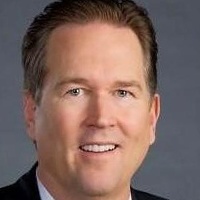
Vern Buchanan
Representative
FL
Vern Buchanan
Representative
FL
The Alzheimer’s Screening and Prevention Act of 2025 (ASAP Act) amends Medicare to cover early detection screening tests for Alzheimer's disease and related dementias starting in 2028. This coverage applies to FDA-cleared tests, including genomic sequencing and other equivalent diagnostic methods, designed to detect pre-symptomatic or early-stage conditions. The bill ensures these screenings are added to the list of covered medical services under Medicare.
This resolution supports the goals of National Rural Health Day by recognizing the vital role of rural communities and committing to policies that improve rural healthcare access and affordability.
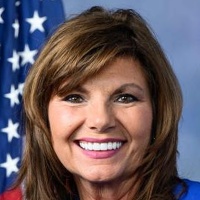
Diana Harshbarger
Representative
TN
Diana Harshbarger
Representative
TN
This resolution officially recognizes and supports the goals of National Rural Health Day to honor the vital role of rural communities and their healthcare providers. It acknowledges the unique challenges faced by rural residents, such as limited access to care and hospital closures. The bill expresses a commitment to advancing policies that improve the accessibility and affordability of healthcare in rural America.
This act repeals specific sections of a prior reconciliation act to restore previous laws affecting American families and farmers.
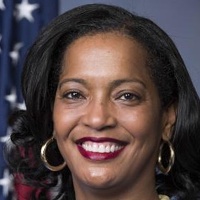
Jahana Hayes
Representative
CT
Jahana Hayes
Representative
CT
The Restoring Food Security for American Families and Farmers Act of 2025 aims to strengthen domestic food security by repealing specific sections of a prior reconciliation act. This action effectively revives the original laws that were previously amended by the repealed provisions. The bill seeks to revert existing agricultural and food-related statutes to their pre-amendment status.
This Act requires explicit Congressional approval via a joint resolution, with specific supermajority requirements, before the United States can conduct any explosive nuclear testing.
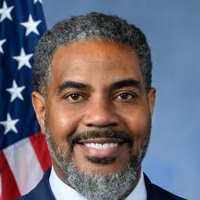
Steven Horsford
Representative
NV
Steven Horsford
Representative
NV
The No Nuclear Testing Without Approval Act prohibits the United States from conducting any explosive nuclear testing unless a foreign state tests first or a technical need is certified. If testing is proposed, the President must submit a detailed notification to Congress at least 180 days in advance. Ultimately, Congress must enact a joint resolution of approval into law, which requires a two-thirds affirmative vote in the Senate.
This resolution allows a majority of House members to force an end to a designated district work period by submitting letters to the Clerk.
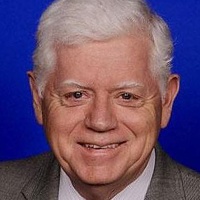
John Larson
Representative
CT
John Larson
Representative
CT
This resolution amends House rules to allow a majority of Representatives to force an end to a designated district work period. If enough members submit letters to the Clerk requesting the end of the recess, the work period must terminate within two days. This measure aims to increase the time the House spends in session by making district work periods more easily interruptible.