The Pay Our Homeland Defenders Act provides comprehensive fiscal year 2026 appropriations for the Department of Homeland Security while establishing rigorous oversight, transparency requirements, and temporary funding measures to ensure the continuity of essential government operations.
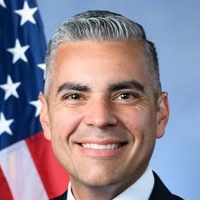
Juan Ciscomani
Representative
AZ-6
The Pay Our Homeland Defenders Act provides comprehensive fiscal year 2026 funding for the Department of Homeland Security, prioritizing operational oversight, transparency, and accountability. The legislation mandates strict reporting requirements for agency spending and establishes clear policy directives for border security, emergency management, and immigration services. Additionally, the bill includes technical provisions to ensure the continuity of government operations and the timely payment of federal personnel during funding lapses.
| Party | Total Votes | Yes | No | Did Not Vote |
|---|---|---|---|---|
Democrat | 214 | 4 | 206 | 4 |
Republican | 218 | 214 | 0 | 4 |
Coast Guard Pay Guaranteed and Infrastructure Fast-Tracked in New 2026 Funding Bill
The Pay Our Homeland Defenders Act is a massive legislative package that essentially keeps the lights on for the federal government through 2026 while making some major permanent changes to how we build things and pay our service members. Specifically, it allocates over $100 billion for the Department of Homeland Security and creates a legal safety net so that Coast Guard members don't miss a single paycheck if Congress hits a budget stalemate. Beyond the money, it fundamentally shifts the rules for big energy and transportation projects, setting a strict two-year timer on environmental reviews and a 150-day deadline to file any lawsuits against them.
Protecting the Protectors
Under current law, most military branches have protections that keep their pay flowing during a government shutdown, but the Coast Guard—which falls under Homeland Security rather than Defense—often gets left in the lurch. Section 1 of this bill fixes that glitch. If you’re a Coast Guard family or an essential civilian employee supporting them, this means your mortgage and grocery money are no longer tied to whether or not D.C. can agree on a budget. It treats the Coast Guard like the rest of the armed forces, ensuring that 'homeland defenders' aren't working for free during a lapse in appropriations.
The Fast Track for Big Projects
Section 3 is where things get interesting for anyone in construction, energy, or environmental advocacy. The bill aims to kill 'death by delay' for major infrastructure projects like power plants or highways. It mandates a 'one lead agency' rule to stop different departments from tripping over each other and sets a hard 24-month cap on environmental impact studies. For a developer or a trade worker, this could mean projects move from blueprint to groundbreaking much faster. However, if you live in a community where a new pipeline or highway is proposed, your window to challenge that project in court is being slashed to just 150 days. This is a 'use it or lose it' policy that puts massive pressure on local groups to spot potential environmental risks almost immediately.
Accountability and the Fine Print
To keep the Department of Homeland Security on a shorter leash, the bill includes Division A, which demands monthly budget updates and forces the agency to get a green light from Congress before moving large chunks of money around. It also explicitly bans using these funds for things like a national ID card or new land border crossing fees. This level of detail, combined with Section 4’s requirement to follow a specific House 'rulebook' for spending, means the government has less wiggle room to improvise. While this prevents 'mission creep,' it might also make it harder for agencies to pivot quickly if a new, unforeseen emergency pops up mid-year.