
Legislative Activity
Track James's sponsored bills, co-sponsored legislation, and voting record
This bill repeals the requirement for financial institutions to collect and report data on small business loans under the Equal Credit Opportunity Act.

John Kennedy
Senator
LA
John Kennedy
Senator
LA
The "1071 Repeal to Protect Small Business Lending Act" repeals Section 704B of the Equal Credit Opportunity Act, which mandated data collection on small business loans. This repeal aims to reduce compliance costs for financial institutions, especially smaller ones, and improve small businesses' access to credit by removing regulatory barriers. The act also makes related amendments to the Equal Credit Opportunity Act and the Dodd-Frank Wall Street Reform and Consumer Protection Act.
The "Credit Union Board Modernization Act" amends the Federal Credit Union Act to reduce the frequency of required board meetings for well-managed federal credit unions from monthly to at least six times per year after the first five years of operation.
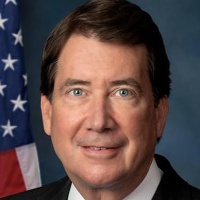
Bill Hagerty
Senator
TN
Bill Hagerty
Senator
TN
The "Credit Union Board Modernization Act" amends the Federal Credit Union Act to reduce the frequency of board of directors meetings for well-managed federal credit unions. New federal credit unions are required to meet monthly for the first five years, while those with strong ratings must meet at least six times annually after the initial period. Credit unions with lower ratings will still be required to meet monthly.
This bill repeals a Bureau of Land Management rule concerning conservation and landscape health.
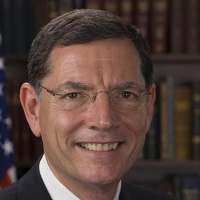
John Barrasso
Senator
WY
John Barrasso
Senator
WY
The WEST Act of 2025 repeals a Bureau of Land Management rule concerning conservation and landscape health that was published in the Federal Register (88 Fed. Reg. 19583). This action effectively voids the rule.
Prohibits the Department of Veterans Affairs from sending veterans' personal information to the national instant criminal background check system based only on the fact that the veteran requires assistance managing their benefits, unless a court determines the veteran is a danger to themselves or others.
John Kennedy
Senator
LA
John Kennedy
Senator
LA
The "Veterans 2nd Amendment Protection Act of 2025" prevents the Department of Veterans Affairs from sharing veterans' personal information with the national instant criminal background check system (NICS) based solely on the appointment of a fiduciary to manage their benefits. Information can only be shared if a judicial authority determines the veteran poses a danger to themselves or others.
The "Expediting Forest Restoration and Recovery Act of 2025" aims to streamline environmental reviews for forest projects that reduce wildfire risk and address insect and disease outbreaks, while also allowing states to reinvest revenue from timber sales on federal lands into further restoration efforts.
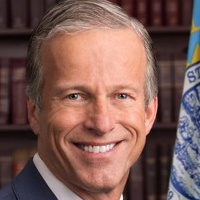
John Thune
Senator
SD
John Thune
Senator
SD
The "Expediting Forest Restoration and Recovery Act of 2025" aims to streamline environmental reviews for forest projects that reduce hazardous fuels and address insect and disease risks, prioritizing these treatments in designated areas. It mandates the use of categorical exclusions in certain timber production areas and emphasizes wildfire and infestation risk reduction in project planning. The act also modifies Good Neighbor Agreements, allowing states to retain and use revenue from timber sales for further restoration efforts within the state.
The "Supporting Made in America Energy Act" mandates increased oil and gas lease sales on federal lands and waters, while extending a moratorium in the Eastern Gulf of Mexico and setting timelines for future leasing programs.
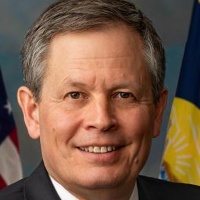
Steve Daines
Senator
MT
Steve Daines
Senator
MT
The "Supporting Made in America Energy Act" mandates the Secretary of the Interior to conduct a minimum number of oil and natural gas lease sales annually for both onshore and offshore lands, including specific requirements for the Gulf of Mexico and Alaska regions. It extends the moratorium on oil and gas leasing in the Eastern Gulf of Mexico until December 31, 2035, and sets deadlines for preparing subsequent oil and gas leasing programs. The Act also restricts the President's authority to pause or impede Federal energy mineral leasing processes without congressional approval.
The Regulations from the Executive in Need of Scrutiny Act of 2025 (REINS Act) would require congressional approval for major executive branch rules with significant economic impacts before they can take effect.

Rand Paul
Senator
KY
Rand Paul
Senator
KY
The "Regulations from the Executive in Need of Scrutiny Act of 2025" aims to increase transparency and accountability in federal agency rulemaking by requiring congressional approval for major rules with significant economic impact (over $100 million). It establishes procedures for congressional review and approval or disapproval of both major and non-major rules, mandates the publication of guidance documents, and sets expiration dates for major rules. The Act also requires agencies to conduct retrospective reviews of existing rules and includes a regulatory budget to control the costs of regulations. Additionally, the Government Accountability Office must study the number and economic impact of existing rules.
This joint resolution proposes a constitutional amendment to permanently fix the number of U.S. Supreme Court justices at nine.
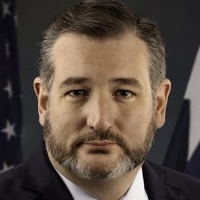
Ted Cruz
Senator
TX
Ted Cruz
Senator
TX
This joint resolution proposes a constitutional amendment to permanently set the number of U.S. Supreme Court justices at nine. If ratified by three-fourths of the states within seven years, this amendment would constitutionally mandate the current size of the Court.
This Act establishes federal rules for the interstate transportation of knives, overriding conflicting state or local laws for legally permitted individuals.
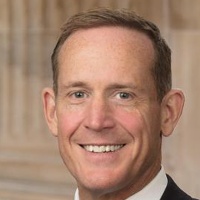
Ted Budd
Senator
NC
Ted Budd
Senator
NC
The Interstate Transport Act of 2025 establishes federal rules governing the interstate transportation of knives, overriding conflicting state or local laws for individuals legally permitted to possess them. This legislation dictates specific storage requirements for knives when traveling by motor vehicle or other means, ensuring they are secured and inaccessible. Furthermore, the Act provides protections against arrest for lawful transport and mandates the expungement of records for those who successfully defend themselves under these provisions.
This Act expands access to Small Business Administration (SBA) loan programs for eligible nonprofit child care providers to support the growth and sustainability of child care services.

Jacky Rosen
Senator
NV
Jacky Rosen
Senator
NV
The Small Business Child Care Investment Act expands access to Small Business Administration (SBA) loan programs for eligible nonprofit child care providers. By allowing these organizations to participate in 7(a) and 504 loan programs, the bill aims to increase financial support for essential child care services.
The Fair Access to Banking Act aims to prevent financial institutions from denying services to individuals or businesses based on subjective or political reasons, ensuring fair and impartial access to financial services.

Kevin Cramer
Senator
ND
Kevin Cramer
Senator
ND
The Fair Access to Banking Act aims to ensure equal access to financial services by preventing banks and credit unions from denying services to individuals or entities engaged in lawful activities based on subjective or politically motivated reasons. It sets requirements for banks with over $10 billion in assets, prohibiting them from denying services based on reputational risk and requiring them to justify denials with documented, risk-based standards. The act also allows individuals to sue financial institutions that violate these requirements, with the potential for treble damages and attorney fees awarded to successful plaintiffs. Furthermore, it restricts access to Federal Reserve lending programs and the Automated Clearing House Network for institutions that fail to comply with the Act.
The JOBS Act of 2025 expands Federal Pell Grant eligibility to students enrolled in high-quality, short-term career and technical education programs that lead to recognized industry credentials.
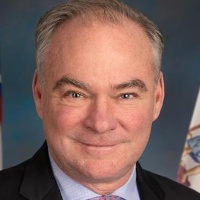
Timothy Kaine
Senator
VA
Timothy Kaine
Senator
VA
The JOBS Act of 2025 expands Federal Pell Grant eligibility to include students enrolled in high-quality, short-term career and technical education programs. By supporting training that leads to industry-recognized credentials, the bill aims to better align postsecondary education with the needs of high-demand job sectors. Additionally, the legislation lowers the minimum Pell Grant threshold to increase financial aid accessibility for students pursuing these career-focused pathways.
This bill eliminates diversity, equity, and inclusion (DEI) programs and initiatives within the federal government, federal training, federal contracting, federal grants and cooperative agreements, federal advisory committees, and higher education accreditation standards.
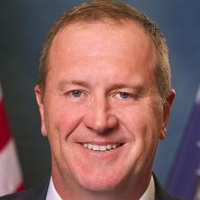
Eric Schmitt
Senator
MO
Eric Schmitt
Senator
MO
**Title I:** This bill seeks to eliminate diversity, equity, and inclusion (DEI) programs within the federal government by revoking prior directives, terminating DEI offices, and restricting DEI-related training and activities. **Title II:** This bill restricts federal training programs from including topics related to diversity, equity, and inclusion, and protects employees from mandatory training on these subjects. **Title III:** This bill modifies federal contracting practices by prohibiting the use of federal funds for DEI-related activities and ensuring non-discrimination in federal programs. **Title IV:** This bill restricts the use of federal grant and cooperative agreement funds for diversity, equity, inclusion, and accessibility (DEIA) initiatives, while exempting certain offices and institutions. **Title V:** This bill aims to eliminate diversity, equity, and inclusion (DEI) practices within federal advisory committees by outlining specific prohibitions, enforcement mechanisms, and responsibilities for agency administrators and heads to ensure compliance. **Title VI:** This bill addresses accreditation standards for higher education institutions and restricts the use of federal funds by the Secretary of Education related to diversity, equity, and inclusion (DEI) initiatives. **Title VII:** This bill eliminates certain diversity, equity, and inclusion (DEI) programs and related requirements across various federal agencies and acts. **Title VIII:** This bill focuses on the enforcement and legal standing of the Act, ensuring individuals have the right to seek justice if they believe the law has been violated, and clarifies that the law remains effective even if parts of it are deemed unconstitutional.
This joint resolution seeks to nullify the EPA’s rule regarding waste emissions charges for petroleum and natural gas systems.
John Hoeven
Senator
ND
John Hoeven
Senator
ND
This joint resolution seeks to exercise congressional disapproval of the EPA’s "Waste Emissions Charge for Petroleum and Natural Gas Systems" rule. If passed, the resolution would nullify the rule, rendering it without force or effect.
This bill removes silencers from special tax and registration requirements under the National Firearms Act while imposing a new 10% excise tax and new federal marking standards on manufacturers.

Michael Crapo
Senator
ID
Michael Crapo
Senator
ID
The Hearing Protection Act seeks to remove silencers from special regulation under federal tax law, treating them similarly to standard firearms components. This bill preempts state and local governments from imposing special taxes or registration requirements on silencers involved in interstate commerce. Furthermore, it mandates the destruction of existing federal records identifying silencer owners and establishes new serial number marking requirements for manufacturers.
This bill amends the Social Security Act to provide Medicare coverage for FDA-approved multi-cancer early detection screening tests starting in 2028.
Michael Crapo
Senator
ID
Michael Crapo
Senator
ID
The Nancy Gardner Sewell Medicare Multi-Cancer Early Detection Screening Coverage Act amends the Social Security Act to provide Medicare coverage for FDA-approved multi-cancer early detection (MCED) screening tests starting in 2028. This legislation establishes a formal coverage and payment framework for these innovative blood-based tests while ensuring they complement, rather than replace, existing cancer screening protocols.
This bill authorizes the posthumous awarding of a Congressional Gold Medal to Fred Korematsu in recognition of his courageous advocacy for civil rights and his dedication to justice and equality.

Mazie Hirono
Senator
HI
Mazie Hirono
Senator
HI
The Fred Korematsu Congressional Gold Medal Act of 2025 authorizes the posthumous awarding of a Congressional Gold Medal to Fred Korematsu in recognition of his lifelong dedication to civil rights, justice, and equality. This legislation honors his legacy as a champion for constitutional guarantees and his courageous stand against the unjust incarceration of Japanese Americans during World War II.
Designates January 26 - February 1, 2025, as "National School Choice Week" to recognize the importance of diverse education options and parental empowerment in K-12 education. Encourages awareness and celebration of educational choice nationwide.

Tim Scott
Senator
SC
Tim Scott
Senator
SC
This resolution designates January 26 through February 1, 2025, as "National School Choice Week," recognizing the importance of diverse educational options (public, charter, magnet, private, online, and homeschooling). It emphasizes the role of parents in choosing the best educational environment for their children and encourages awareness of the benefits of school choice. The resolution supports celebrating educational choice and acknowledges the contributions of students, parents, teachers, and school leaders.
The Educational Choice for Children Act of 2025 establishes a federal tax credit for donations to scholarship-granting organizations to help eligible students cover a wide range of K-12 educational expenses while protecting the autonomy of participating schools and families.

Bill Cassidy
Senator
LA
Bill Cassidy
Senator
LA
The Educational Choice for Children Act of 2025 establishes a federal tax credit for individuals and corporations that donate to scholarship-granting organizations. These organizations provide scholarships to help eligible students cover a wide range of K-12 educational expenses, including private school tuition, tutoring, and educational therapies. The bill includes a $10 billion annual volume cap on these credits and contains robust protections to ensure the autonomy of participating schools and the rights of parents to direct their children's education.
This bill mandates the immediate removal of the Greater Yellowstone Ecosystem grizzly bear population from the federal endangered species list, bypassing standard regulatory and judicial review processes.

Cynthia Lummis
Senator
WY
Cynthia Lummis
Senator
WY
The Grizzly Bear State Management Act of 2025 mandates that the Secretary of the Interior reissue the 2017 rule to remove the Greater Yellowstone Ecosystem grizzly bear population from the federal endangered species list. This legislation requires the action to be completed within 180 days and explicitly prohibits judicial review of the reissued rule.