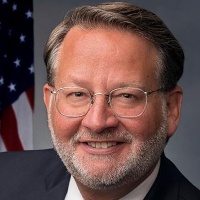
Legislative Activity
Track Gary's sponsored bills, co-sponsored legislation, and voting record
This bill reauthorizes the Dingell-Johnson Sport Fish Restoration Act through 2031 and modifies funding formulas for state conservation projects and multistate grant programs.
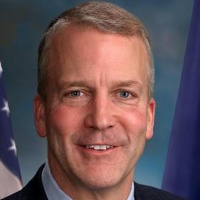
Dan Sullivan
Senator
AK
Dan Sullivan
Senator
AK
The Sport Fish Restoration, Recreational Boating Safety, and Wildlife Restoration Act of 2026 extends the authorization for critical sport fish conservation and restoration programs through 2031. This legislation maintains essential funding for state-level projects while updating the allocation formulas for multistate conservation grants and the North American Wetlands Conservation Fund.
The Rural America Health Corps Act establishes a student loan repayment program for healthcare professionals who commit to five years of full-time service in underserved rural areas.

Marsha Blackburn
Senator
TN
Marsha Blackburn
Senator
TN
The Rural America Health Corps Act establishes a demonstration program to incentivize healthcare professionals to work in rural areas facing provider shortages. By offering up to $200,000 in student loan repayment in exchange for a five-year full-time service commitment, the bill aims to improve medical access in underserved communities.
The AFTER Act of 2026 mandates that federal research facilities establish formal programs to facilitate the adoption and retirement of animals no longer needed for scientific research.

Susan Collins
Senator
ME
Susan Collins
Senator
ME
The AFTER Act of 2026 mandates that federal research facilities establish formal programs to facilitate the adoption and retirement of animals no longer needed for research. By partnering with qualified nonprofit organizations and sanctuaries, this legislation ensures that suitable animals are transitioned into permanent homes rather than euthanized.
The Global Investment in American Jobs Act of 2025 mandates a comprehensive federal review to enhance U.S. competitiveness in attracting secure foreign direct investment while mitigating risks from foreign countries of concern.

Todd Young
Senator
IN
Todd Young
Senator
IN
The Global Investment in American Jobs Act of 2025 aims to strengthen U.S. economic competitiveness by promoting foreign direct investment from trusted countries while mitigating risks from foreign countries of concern. The bill mandates an interagency review to identify barriers to investment and develop strategies to attract responsible private sector entities. Ultimately, this legislation seeks to foster innovation, create jobs, and secure critical supply chains through a strategic, security-conscious approach to global investment.
This resolution expresses the Senate's commitment to reducing the federal budget deficit to 3 percent or less of the nation's GDP by fiscal year 2030.

Kevin Cramer
Senator
ND
Kevin Cramer
Senator
ND
This resolution expresses the Senate's commitment to stabilizing the national debt by reducing the federal budget deficit to 3 percent or less of the gross domestic product (GDP) by fiscal year 2030. It calls for Congress and the President to implement fiscal policies and enforcement mechanisms that prioritize long-term deficit reduction and move toward a balanced budget.
This resolution honors the historical and contemporary contributions, leadership, and resilience of American Indian, Alaska Native, and Native Hawaiian women across all sectors of American society.

Lisa Murkowski
Senator
AK
Lisa Murkowski
Senator
AK
This resolution honors the historic and contemporary contributions of American Indian, Alaska Native, and Native Hawaiian women across all sectors of society, including military service, business, science, and public leadership. It celebrates their resilience and vital role in shaping the nation while calling for continued investment to address the unique challenges they face.
The "Love Lives On Act of 2025" restores benefits to surviving spouses of veterans who remarry, including educational benefits, Dependency and Indemnity Compensation, Survivor Benefit Plan payments, and TRICARE eligibility.

Jerry Moran
Senator
KS
Jerry Moran
Senator
KS
The "Love Lives On Act of 2025" modifies eligibility rules for Dependency and Indemnity Compensation (DIC) and Survivor Benefit Plan (SBP) payments for surviving spouses who remarry. It allows remarried surviving spouses to receive certain educational benefits and DIC, and it continues annuity payments to surviving spouses who remarry, particularly those whose spouses died on active duty. Additionally, the Act expands the definition of "dependent" under the TRICARE program to include remarried widows or widowers whose subsequent marriage has ended.
This bill ensures that Transportation Security Administration (TSA) personnel continue to receive their pay and benefits during any government shutdown throughout fiscal year 2026.

Jacky Rosen
Senator
NV
Jacky Rosen
Senator
NV
The Transportation Security Administration Pay Act of 2026 ensures that TSA personnel continue to receive their standard pay and benefits during any potential government shutdown in fiscal year 2026. This legislation guarantees uninterrupted compensation for employees until regular appropriations are enacted or through September 30, 2026.
The Transportation Security Administration Pay Act of 2026 ensures continued pay and benefits for TSA personnel during a potential government shutdown in fiscal year 2026.
Jacky Rosen
Senator
NV
Jacky Rosen
Senator
NV
The Transportation Security Administration Pay Act of 2026 ensures that TSA personnel continue to receive their pay and benefits during a potential government shutdown in fiscal year 2026. This legislation provides a temporary funding mechanism that remains in effect until regular appropriations are enacted or through September 30, 2026.
This Act authorizes the Secretary of the Treasury to mint and issue commemorative coins honoring fallen firefighters, with proceeds from surcharges supporting the National Fallen Firefighters Foundation.
Susan Collins
Senator
ME
Susan Collins
Senator
ME
The National Fallen Firefighters Memorial Coin Act authorizes the U.S. Treasury to mint and issue commemorative coins in 2029 to honor the service and sacrifice of fallen firefighters. Proceeds from the sale of these coins, including surcharges, will be distributed to the National Fallen Firefighters Foundation to support its mission and programs. The program is designed to ensure no net cost to the federal government.
This resolution recognizes March 10, 2026, as "Abortion Provider Appreciation Day" to honor the courage and essential care provided by abortion clinic staff across the United States.

Mazie Hirono
Senator
HI
Mazie Hirono
Senator
HI
This concurrent resolution recognizes March 10, 2026, as "Abortion Provider Appreciation Day" to honor the courage and essential care provided by abortion clinic staff. The measure condemns recent legal and political restrictions on abortion access and affirms a commitment to protecting the safety of providers and the reproductive rights of patients.
This bill authorizes NASA's FY 2025 budget, directs the transition to commercial low-Earth orbit destinations, solidifies the Moon to Mars exploration strategy, and mandates advancements in aeronautics and science technology.

Ted Cruz
Senator
TX
Ted Cruz
Senator
TX
The NASA Transition Authorization Act of 2025 authorizes the agency's funding for fiscal year 2025 and solidifies the strategic direction for human spaceflight, emphasizing the "Moon to Mars" program and the transition to commercial Low-Earth Orbit destinations. The bill directs significant investment into science missions, technology development, and aeronautics research, while also restructuring STEM education programs. Finally, it establishes new policy guidelines regarding commercial partnerships, cost oversight, and international collaboration.
The Democracy Is Strengthened by Casting Light On Spending in Elections Act of 2026 enhances election integrity by closing foreign funding loopholes, increasing transparency in political and judicial spending, and mandating clear disclosure requirements for political advertisements.

Sheldon Whitehouse
Senator
RI
Sheldon Whitehouse
Senator
RI
The **Democracy Is Strengthened by Casting Light On Spending in Elections (DISCLOSE) Act of 2026** aims to increase transparency and accountability in U.S. elections by closing loopholes that allow foreign spending and requiring greater disclosure of political donors. The legislation mandates that organizations report significant political expenditures, forces leaders to take personal responsibility for political advertisements, and streamlines the legal process for campaign finance challenges. Ultimately, these reforms seek to provide voters with clearer information about who is funding political campaigns and judicial nominations.
The Medical Nutrition Therapy Act of 2026 expands Medicare coverage for medical nutrition therapy services to include a broader range of chronic conditions and increases the types of healthcare providers authorized to order these services.
Susan Collins
Senator
ME
Susan Collins
Senator
ME
The Medical Nutrition Therapy Act of 2026 expands Medicare coverage to include medical nutrition therapy for a broader range of chronic conditions, such as obesity, hypertension, and cancer. The bill also increases access to these services by allowing a wider variety of healthcare professionals to order them. Additionally, it establishes a five-year pilot program to evaluate the impact of these services on patient health outcomes and overall Medicare spending.
The Living Donor Protection Act of 2025 prohibits insurance discrimination against living organ donors and guarantees job-protected leave for those undergoing donation surgery.

Tom Cotton
Senator
AR
Tom Cotton
Senator
AR
The Living Donor Protection Act of 2025 prohibits insurance companies from discriminating against living organ donors regarding life, disability, or long-term care coverage. The bill also amends the Family and Medical Leave Act (FMLA) to explicitly classify organ donation surgery as a serious health condition, ensuring job-protected leave for donors. Additionally, it mandates that the Department of Health and Human Services update public educational materials to reflect these new protections and the realities of organ donation.
This bill strengthens the Community Development Financial Institutions (CDFI) Fund by improving bond guarantee programs, enhancing liquidity assistance, and establishing a new relending program to expand homeownership opportunities for Native communities.
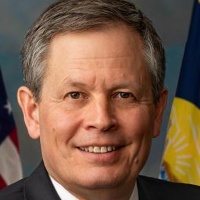
Steve Daines
Senator
MT
Steve Daines
Senator
MT
The Access to Fair Financing for Opportunity and Resilient Development Act strengthens Community Development Financial Institutions (CDFIs) by improving the bond guarantee program and establishing new liquidity and capitalization initiatives. The bill also creates a dedicated relending program to expand homeownership opportunities within Native American, Alaska Native, and Native Hawaiian communities. Additionally, it mandates increased congressional oversight and reporting regarding the effectiveness of these federal financial programs.
This resolution supports the goals of Career and Technical Education Month by recognizing its vital role in preparing a skilled workforce for in-demand careers.
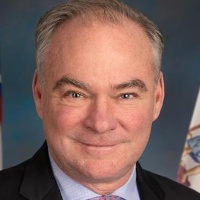
Timothy Kaine
Senator
VA
Timothy Kaine
Senator
VA
This resolution officially designates February 2026 as Career and Technical Education (CTE) Month to celebrate and support CTE programs nationwide. It recognizes CTE's vital role in preparing a skilled workforce for high-demand careers and boosting American economic competitiveness. The resolution encourages promotion of CTE as a respected educational pathway for students.
This bill extends the VA burial benefit program for veterans who pass away at home while receiving hospice care through December 31, 2030.

John Boozman
Senator
AR
John Boozman
Senator
AR
The Gerald’s Law Reauthorization Act of 2026 extends critical burial benefits for veterans who pass away at home while receiving Department of Veterans Affairs hospice care. This legislation ensures these benefits remain available through December 31, 2030, continuing support for veterans and their families during end-of-life care.
The Tariff Refund Act of 2026 mandates that U.S. Customs and Border Protection issue interest-bearing refunds for import duties collected under the International Emergency Economic Powers Act that were deemed unlawful by the Supreme Court.

Ron Wyden
Senator
OR
Ron Wyden
Senator
OR
The Tariff Refund Act of 2026 mandates that U.S. Customs and Border Protection issue interest-bearing refunds for import duties collected under the International Emergency Economic Powers Act that were subsequently ruled unlawful. The bill prioritizes small businesses in the refund process and requires that larger entities pass these savings on to their customers. All refunds must be processed within 180 days of enactment, with regular progress reports provided to Congress.
This bill enhances coordination between the Social Security Administration and the Do Not Pay working system to prevent and recover improper benefit payments made to deceased individuals.

John Kennedy
Senator
LA
John Kennedy
Senator
LA
This bill, the "Ending Improper Payments to Deceased People Act," aims to reduce fraudulent payments by improving information sharing between the Social Security Administration and the federal Do Not Pay working system. It mandates cooperation to use death data to prevent and recover improper benefit payments. The legislation also establishes standards for recording deaths and requires notification if an individual is incorrectly flagged as deceased.