Legislative Activity
Track Eleanor's sponsored bills, co-sponsored legislation, and voting record
This Act establishes the Office of Men's Health within the Department of Health and Human Services and mandates a GAO study to address the growing national health crisis facing men.
Troy Carter
Representative
LA
Troy Carter
Representative
LA
The State of Men's Health Act addresses the growing national health crisis among men, marked by shorter lifespans and higher mortality rates from leading causes of death. This legislation mandates a comprehensive study by the GAO to identify health disparities and recommend improvements. Furthermore, it establishes a dedicated Office of Men's Health within the Department of Health and Human Services to coordinate and promote programs focused on men's health education, screening, and research.
This act reforms the process for negotiating pay and benefits for Postal Service supervisors, managers, and postmasters, ensuring timely proposals and binding dispute resolution.
James Walkinshaw
Representative
VA
James Walkinshaw
Representative
VA
The Postal Supervisors, Managers, and Postmasters Fairness Act of 2026 updates the process for determining pay and benefits for Postal Service supervisory personnel. This bill requires the Postal Service to formally propose pay changes to supervisor organizations before existing decisions expire or after related union contracts are settled. Any unresolved disputes regarding these proposals will result in a final, binding determination issued quickly by a review panel.
This bill establishes a federal process for Extreme Risk Protection Orders, creates a grant program to incentivize states to adopt similar laws, and mandates the recognition of such orders across state lines.
Lucy McBath
Representative
GA
Lucy McBath
Representative
GA
The Federal Extreme Risk Protection Order Act of 2026 establishes a federal process for issuing Extreme Risk Protection Orders (ERPOs) that temporarily prohibit individuals deemed a danger from possessing firearms. The bill allows family members or law enforcement to petition federal courts for temporary or long-term orders based on evidence of imminent risk of harm. Furthermore, it creates a federal grant program to incentivize and support states and tribes in implementing their own qualifying ERPO laws. Finally, it mandates that individuals subject to these federal orders surrender their firearms and ensures these orders are recognized across state lines.
This Act establishes federal best practices and mandates local educational agencies to develop guidance on secure firearm storage and suicide prevention for students and the community.

Dan Goldman
Representative
NY
Dan Goldman
Representative
NY
The Secure Firearm Storage and Suicide Prevention Act of 2026 aims to reduce firearm-related injuries and suicides, particularly among youth. It directs the Secretary of Education to develop national best practices for secure firearm storage and suicide prevention education. Local educational agencies must then create and distribute tailored guidance incorporating these federal standards to students and parents annually.
This Act establishes federal requirements for state-developed concussion safety and management plans for student athletes, mandating immediate removal from play and written medical clearance for return.
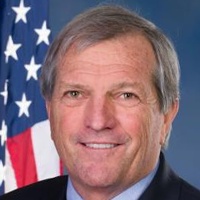
Mark DeSaulnier
Representative
CA
Mark DeSaulnier
Representative
CA
The Protecting Student Athletes from Concussions Act mandates that states develop and implement comprehensive concussion safety and management plans for all public schools. These plans require immediate removal from play for suspected concussions and written medical clearance before a student can return to athletics. The bill also establishes annual training requirements and supports for students returning to academics after a concussion, with federal funding tied to state compliance.
This Act prohibits federal prosecutors and investigators from basing charging decisions on a person's political beliefs, mandates attestations against such bias in legal documents, reforms grand jury procedures, bars White House influence over individual criminal cases, and establishes mandatory reporting and investigation of alleged political prosecutions.
Dan Goldman
Representative
NY
Dan Goldman
Representative
NY
This Act prohibits federal officials from initiating or pursuing criminal investigations or prosecutions based on a person's political associations or beliefs. It mandates specific attestations in legal documents confirming the absence of political motivation and establishes a right to sue for violations. Furthermore, the bill reforms grand jury procedures to allow for dismissal of politically motivated indictments and strictly prohibits White House influence over individual Justice Department decisions.
The **BE HEARD in the Workplace Act** comprehensively overhauls federal workplace protections by strengthening anti-discrimination laws, phasing out the tipped minimum wage, expanding worker rights against silencing agreements, and establishing new federal grant programs for prevention and legal aid.
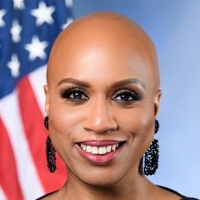
Ayanna Pressley
Representative
MA
Ayanna Pressley
Representative
MA
The **BE HEARD in the Workplace Act** comprehensively reforms workplace protections by mandating new anti-discrimination policies and training, while strengthening federal laws to explicitly protect LGBTQ+ individuals and expand filing deadlines for all workers. The bill also phases out the lower federal minimum wage for tipped employees and restricts employers' use of mandatory arbitration and non-disclosure agreements. Finally, it establishes federal grant programs to fund education, legal assistance, and state-level advocacy systems to combat workplace discrimination.
This bill restricts U.S. assistance to Israel if funds are used to support the military detention of Palestinian children, property seizure, or further annexation in the occupied West Bank.
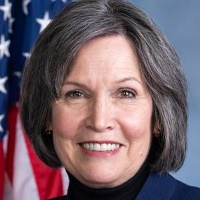
Betty McCollum
Representative
MN
Betty McCollum
Representative
MN
This bill aims to defend the human rights of Palestinian children and families living under Israeli military occupation. It establishes policy prohibiting U.S. assistance funds from supporting specific Israeli actions, including the military detention of Palestinian children and the seizure of Palestinian property in violation of international law. The legislation also mandates annual reporting and oversight requirements regarding these activities and U.S. defense assistance to Israel.
This bill delays a planned Medicare payment adjustment to physician work values until 2030 and modifies annual Medicare payment update rates based on APM participation.
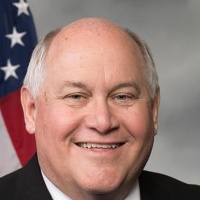
Ron Estes
Representative
KS
Ron Estes
Representative
KS
The Efficiency Adjustment Delay Act postpones a planned Medicare payment adjustment affecting physician work values until at least January 1, 2030. The bill also mandates a report to Congress assessing the need for a one-time adjustment to certain physician service values. Furthermore, it modifies the annual Medicare physician payment updates for 2026 and subsequent years based on participation in Alternative Payment Models.
This act mandates Medicaid coverage for 12 annual mental health telehealth visits for certain individuals under home confinement following incarceration.
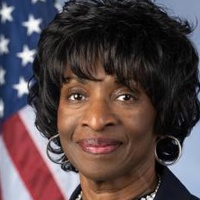
Valerie Foushee
Representative
NC
Valerie Foushee
Representative
NC
The Second Chance Mental Health Access Act of 2026 mandates that Medicaid programs cover up to 12 mental health telehealth visits annually for certain individuals recently released from incarceration and placed under home confinement. This provision aims to improve access to crucial mental health services during the critical transition period following release.
This Act mandates automatic spending reductions for Department of Defense components that fail to achieve a clean financial audit opinion after fiscal year 2025.
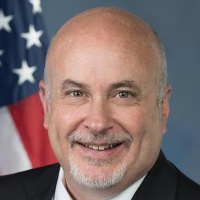
Mark Pocan
Representative
WI
Mark Pocan
Representative
WI
The Audit the Pentagon Act of 2026 addresses the Department of Defense's repeated failure to pass a financial audit. This bill establishes automatic spending reductions for any DoD component that fails to receive a clean audit opinion after fiscal year 2025. It also outlines Congressional priorities regarding protecting wounded warrior accounts and maintaining financial controls for classified programs.
This resolution formally denounces any presidential attempt to nationalize or directly control federal elections, affirming that such authority rests with state legislatures and Congress.
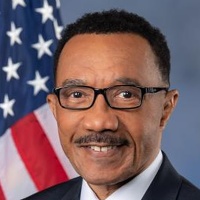
Kweisi Mfume
Representative
MD
Kweisi Mfume
Representative
MD
This resolution formally denounces any suggestion by the President to unilaterally nationalize or take direct control over federal elections. It affirms that the Constitution reserves primary authority over elections to state legislatures and Congress, not the President. The bill declares that any attempt by the President to usurp this power would be unconstitutional and unlawful.
This Act prohibits the discharge of plastic pellets and pre-production plastic materials into U.S. waters from industrial facilities through EPA regulations and permitting requirements.
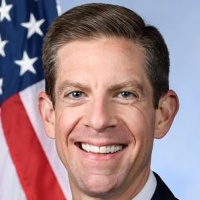
Mike Levin
Representative
CA
Mike Levin
Representative
CA
The Plastic Pellet Free Waters Act prohibits the discharge of plastic pellets and other pre-production plastic materials into U.S. waters from industrial facilities. This requires the EPA to swiftly issue a rule banning these discharges from facilities involved in the manufacturing, use, packaging, or transport of these plastics. The prohibition will be enforced through existing permitting and regulatory systems under the Federal Water Pollution Control Act.
This bill mandates the Secretary of State to certify and report on policies ensuring children in Gaza receive three nutritious meals daily and other civilians receive two, while also detailing oversight and reporting on food distribution.
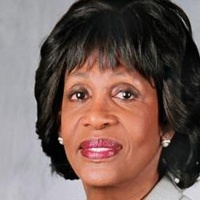
Maxine Waters
Representative
CA
Maxine Waters
Representative
CA
This Act mandates the U.S. Secretary of State to ensure and report on sufficient food assistance for all civilians in Gaza. It requires certification within 30 days that policies are in place to guarantee children receive three nutritious meals daily and other civilians receive two. The Secretary must also submit detailed oversight procedures and publicly report on food distribution efforts, including prompt notification to Congress of any aid interference.
This bill establishes a politically balanced National Council on African American History and Culture within the National Endowment for the Humanities to advise on policy, monitor preservation efforts, and report on the celebration of African American history and culture.
Kweisi Mfume
Representative
MD
Kweisi Mfume
Representative
MD
This bill establishes the National Council on African American History and Culture within the National Endowment for the Humanities. The Council will consist of 12 presidentially appointed members tasked with advising on national policy related to preserving and celebrating African American history and culture. Its duties include monitoring relevant efforts, evaluating NEH programs, and submitting annual reports. The Council is set to terminate ten years after the law's enactment.
This bill officially recognizes the cultural and historical significance of Lunar New Year in 2026 and expresses respect for those who celebrate it.
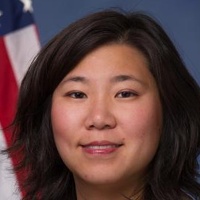
Grace Meng
Representative
NY
Grace Meng
Representative
NY
This bill officially recognizes the cultural and historical significance of Lunar New Year, specifically in 2026, the Year of the Horse. It expresses deep respect for Asian American communities and all who celebrate this important occasion. The resolution concludes by offering wishes for a happy and prosperous new year to all observers.
This bill seeks to amend Medicare to provide coverage for medically necessary wigs as durable medical equipment under the program.
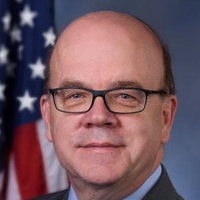
James McGovern
Representative
MA
James McGovern
Representative
MA
This bill seeks to amend Medicare coverage rules to include wigs as durable medical equipment when medically necessary. Coverage would require written certification from a physician confirming the wig is needed for hair loss due to a medical condition or as part of rehabilitative treatment.
The GRADUATE Act expands the student loan interest deduction into a broader education loan deduction of up to \$10,000 plus \$500 per dependent, subject to income phase-outs beginning at \$125,000 MAGI.
Dan Goldman
Representative
NY
Dan Goldman
Representative
NY
The GRADUATE Act amends tax law to transform the existing student loan interest deduction into a broader education loan deduction, effective after 2025. This new deduction allows taxpayers to deduct the total amount paid on qualified education loans, up to a maximum of \$10,000 plus an additional \$500 per dependent. The maximum deduction amount is subject to an income-based phase-out, beginning when Modified Adjusted Gross Income (MAGI) exceeds \$125,000 for individuals or \$250,000 for married couples filing jointly.
This Act repeals major U.S. sanctions against Cuba, normalizing trade, travel, and telecommunications while establishing a framework for property claims and human rights negotiations.
James McGovern
Representative
MA
James McGovern
Representative
MA
The United States-Cuba Trade Act of 2026 comprehensively repeals major U.S. sanctions laws against Cuba, effectively normalizing trade relations. This legislation removes restrictions on travel, exports, and financial remittances between the two nations. It also establishes a framework for the President to negotiate property claims and human rights protections with the Cuban government. The Act aims to promote democratic change in Cuba through the extension of nondiscriminatory trade treatment.
This bill eliminates a specific work requirement exemption and related state funding provisions within the Supplemental Nutrition Assistance Program (SNAP).
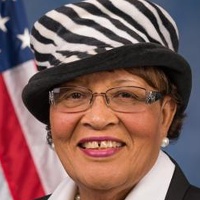
Alma Adams
Representative
NC
Alma Adams
Representative
NC
The Improving Access to Nutrition Act of 2026 addresses the Supplemental Nutrition Assistance Program (SNAP) by eliminating a specific work requirement exemption and related state funding provisions. Congress finds that existing SNAP work requirements are ineffective at reducing poverty and create significant barriers to food assistance, disproportionately affecting vulnerable populations. This legislation aims to streamline access to benefits by removing these administrative hurdles.