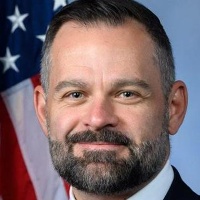
Legislative Activity
Track Cory's sponsored bills, co-sponsored legislation, and voting record
This bill grants a federal charter to the Veterans Association of Real Estate Professionals to support veterans' housing, financial literacy, and economic stability.
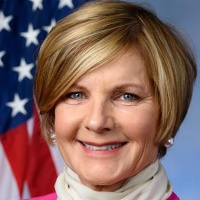
Susie Lee
Representative
NV
Susie Lee
Representative
NV
This bill grants a Federal charter to the Veterans Association of Real Estate Professionals, officially recognizing it as a nonprofit veterans service organization. The organization is tasked with promoting sustainable homeownership, financial literacy, and economic opportunity for veterans and service members. It must adhere to strict operational rules, including prohibitions on political activity and the distribution of profits to members. The charter remains contingent upon the organization maintaining its tax-exempt status and compliance with California corporate law.
This resolution strongly condemns the antisemitic terrorist attack in Boulder, Colorado, addresses the rise of antisemitism, and calls for accountability for the attacker and stronger immigration enforcement.
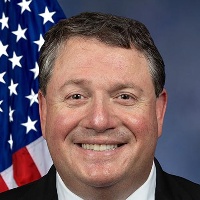
Randall Fine
Representative
FL
Randall Fine
Representative
FL
This resolution strongly condemns the antisemitic terrorist attack in Boulder, Colorado, and expresses solidarity with the victims and first responders. It highlights the alarming rise of antisemitism across the nation and calls for the perpetrator to be prosecuted to the fullest extent of the law. Furthermore, the bill urges immediate action to secure the border and address visa overstays.
This bill establishes federal criminal penalties for performing gender transition procedures on minors, with specific exceptions for certain medical conditions.
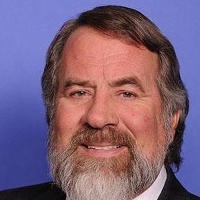
Doug LaMalfa
Representative
CA
Doug LaMalfa
Representative
CA
The Protecting Children from Experimentation Act of 2025 establishes a new federal crime prohibiting healthcare professionals from performing specific gender transition procedures on minors under 18. This bill imposes criminal penalties, including fines and imprisonment, for violations connected to interstate commerce. Minors subjected to these procedures are explicitly protected from prosecution and granted the right to sue those involved. The Act broadly defines banned procedures, including the use of puberty blockers, cross-sex hormones, and various surgeries, while carving out exceptions for certain medical conditions and life-saving measures.
This act mandates that FHA loan disclosures include comparable VA loan information and requires lenders to ask about military service on standard loan applications.
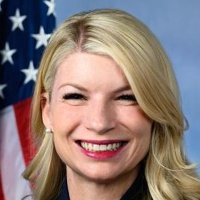
Brittany Pettersen
Representative
CO
Brittany Pettersen
Representative
CO
The VA Loan Informed Disclosure Act of 2025 (VALID Act) aims to increase awareness of VA loan options among homebuyers. It requires lenders to include comparative information about potential VA loan terms on standard FHA disclosure forms. Furthermore, the Act mandates that the Uniform Residential Loan Application include a prominent question regarding the applicant's military service.
This Act establishes a bipartisan Fiscal Commission tasked with developing and reporting legislative recommendations to reduce the national debt, followed by an expedited congressional process for considering those recommendations.
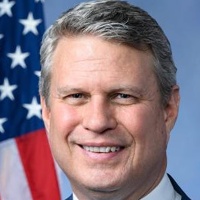
Bill Huizenga
Representative
MI
Bill Huizenga
Representative
MI
The Fiscal Commission Act establishes a bipartisan commission tasked with developing legislative recommendations to improve the nation's long-term fiscal health, aiming to reduce the national debt ratio to 100% of GDP by 2039. This Commission, composed of appointed members from both chambers of Congress and outside experts, must submit its final report and proposed legislation within a specific timeframe. The Act also creates an expedited, amendment-free process for Congress to consider and vote on any resulting "implementing bills."
This Act increases the maximum financial assistance available to disabled veterans for necessary home health service improvements and mandates annual inflation adjustments to these limits.
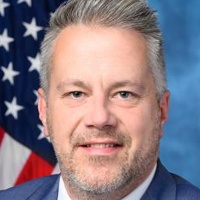
Eric Sorensen
Representative
IL
Eric Sorensen
Representative
IL
The Autonomy for All Disabled Veterans Act significantly increases the maximum financial assistance available to disabled veterans for necessary home improvements and structural alterations provided through home health services, raising certain limits to \$10,000. Furthermore, this legislation mandates that these housing-related benefit amounts be automatically adjusted each year to keep pace with the rate of inflation based on the residential home construction cost index. These new, higher spending limits apply only to veterans who apply for these specific benefits after the Act is enacted.
This Act mandates that health plans cover medically necessary treatment for congenital anomalies or birth defects affecting the eyes, ears, teeth, mouth, or jaw to restore normal function and appearance.
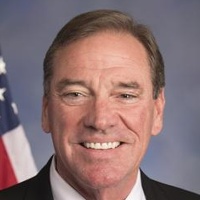
Neal Dunn
Representative
FL
Neal Dunn
Representative
FL
The Ensuring Lasting Smiles Act mandates that group health plans and insurance policies provide comprehensive coverage for medically necessary treatment related to congenital anomalies or birth defects affecting the eyes, ears, teeth, mouth, or jaw. This coverage must include services needed to restore normal function and appearance, including necessary dental and orthodontic support. Plans must apply cost-sharing rules no more restrictive than those for other medical benefits, excluding purely cosmetic procedures.
The DEFENSE Act authorizes the Secretary of Homeland Security or Attorney General to deputize state and local police to use authorized drone countermeasures for protecting specific large public events after mandatory training.
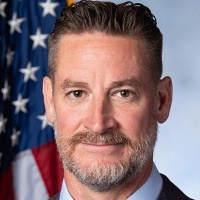
W. Steube
Representative
FL
W. Steube
Representative
FL
The DEFENSE Act authorizes the Secretary of Homeland Security or the Attorney General to deputize state and local police to use drone countermeasures for protecting specific large public events and restricted areas. This authority is contingent upon officers completing mandatory, specialized training developed in coordination with the FAA. The bill also mandates federal oversight and limits the use of equipment to an officially approved list maintained by the Department of Homeland Security.
The Shipbuilding and Harbor Infrastructure for Prosperity and Security for America Act of 2025 establishes a centralized maritime authority, creates a dedicated funding trust, strengthens sealift capability, mandates increased use of U.S.-flagged vessels, invests heavily in domestic shipbuilding, and enhances workforce development and tax incentives for the maritime industry.
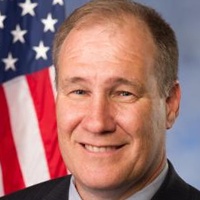
Trent Kelly
Representative
MS
Trent Kelly
Representative
MS
The **Shipbuilding and Harbor Infrastructure for Prosperity and Security for America Act of 2025** is a comprehensive bill designed to revitalize the U.S. maritime industry and secure critical supply chains. It establishes new centralized oversight for maritime policy, creates a dedicated Maritime Security Trust Fund financed by new vessel taxes, and mandates significant federal investment in domestic shipbuilding and workforce development. The legislation also imposes stricter cargo preference rules and tax incentives to ensure U.S.-flagged vessels dominate international commerce and defense sealift operations.
This Act officially designates the POW/MIA Memorial and Museum in Jacksonville, Florida, as the National POW/MIA Memorial and Museum, establishing reporting requirements for its future operation.
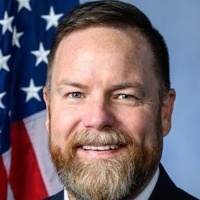
Aaron Bean
Representative
FL
Aaron Bean
Representative
FL
This bill officially designates the memorial and museum currently under construction in Jacksonville, Florida, as the **National POW/MIA Memorial and Museum**. The legislation recognizes the museum's crucial role in honoring and educating the public about service members who were prisoners of war or remain missing in action. To maintain this designation, the museum must submit a comprehensive operational report to Congress within 90 days of enactment. Failure to open satisfactorily within five years or submit the required report will result in the loss of this official federal title.
The Safeguard American Voter Eligibility (SAVE) Act mandates that individuals registering to vote in federal elections must present documentary proof of U.S. citizenship.

Chip Roy
Representative
TX
Chip Roy
Representative
TX
The Safeguard American Voter Eligibility Act (SAVE Act) significantly amends federal law to require individuals registering to vote in federal elections to present documentary proof of U.S. citizenship. This legislation mandates that states actively clean their voter rolls and cooperate with federal agencies to verify citizenship status. It establishes new criminal penalties for officials who fail to enforce these documentation requirements.
This Act mandates the reimbursement of interest payments made by local governments and electric cooperatives on loans used for disaster recovery activities eligible under the Stafford Act.
Neal Dunn
Representative
FL
Neal Dunn
Representative
FL
The FEMA Loan Interest Payment Relief Act establishes a program for FEMA to reimburse local governments and electric cooperatives for interest paid on specific disaster recovery loans. This reimbursement is capped at the lesser of the actual interest paid or the interest calculated using the Federal Reserve's prime rate. The law mandates FEMA to quickly establish procedures for states to apply for reimbursement of qualifying interest paid up to nine years prior to enactment.
The CBO Scoring Accountability Act mandates that the Congressional Budget Office produce annual reports for ten years tracking the actual financial impact of major legislation against its initial cost estimates.
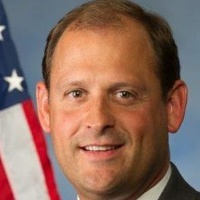
Garland Barr
Representative
KY
Garland Barr
Representative
KY
The CBO Scoring Accountability Act mandates that the Congressional Budget Office (CBO) produce annual reports for ten years following the enactment of any "major legislation." These reports must compare the actual financial impact of the law against the CBO's original estimates. If significant discrepancies occur, the CBO is required to explain the variance to Congress.
The POWER Act of 2025 establishes a temporary, income-limited tax credit of up to \$500 for qualified homeowners in disaster-prone areas who purchase an emergency generator.
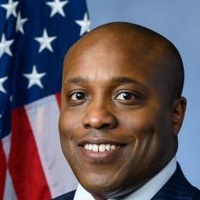
Wesley Hunt
Representative
TX
Wesley Hunt
Representative
TX
The POWER Act of 2025 establishes a new, temporary tax credit of up to $500 for individuals who purchase an emergency generator for their primary residence. To qualify, homeowners must have experienced at least two major disasters in their area within the last five years and personally received federal assistance for one of those events. The credit amount is subject to phase-out based on the taxpayer's modified adjusted gross income.
This bill codifies Executive Order 14248 into permanent federal law to preserve and protect the integrity of American elections.
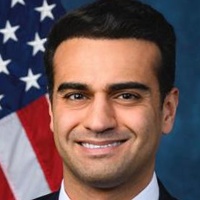
Abraham Hamadeh
Representative
AZ
Abraham Hamadeh
Representative
AZ
This bill seeks to permanently establish the directives of Executive Order 14248 into federal law. By codifying this order, the legislation ensures the measures aimed at preserving and protecting the integrity of American elections remain in effect. This action elevates the existing presidential order to the full force and effect of statutory law.
This bill mandates the relocation of the National Aeronautics and Space Administration (NASA) headquarters to Brevard County, Florida, within one year of enactment.
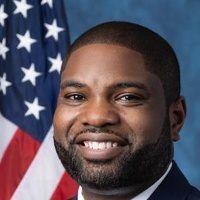
Byron Donalds
Representative
FL
Byron Donalds
Representative
FL
The CAPE Canaveral Act mandates the relocation of the National Aeronautics and Space Administration (NASA) headquarters to Brevard County, Florida. This transfer must be completed within one year of the Act becoming law. The legislation aims to consolidate aerospace programs efficiently at the Canaveral location.
This Act prohibits state and local governments from imposing excise taxes on the sale of firearms, ammunition, or related parts in interstate or foreign commerce.
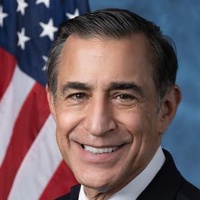
Darrell Issa
Representative
CA
Darrell Issa
Representative
CA
The Freedom from Unfair Gun Taxes Act of 2025 prohibits state and local governments from imposing excise taxes on the sale of firearms, ammunition, or firearm parts. This restriction specifically targets taxes levied on sales that involve interstate or foreign commerce. The Act explicitly preserves existing federal laws, such as the Pittman-Robertson Wildlife Restoration Act.
This bill mandates that Medicare provide equitable reimbursement for the transportation and setup of portable ultrasound equipment, mirroring current payments for portable X-ray services.
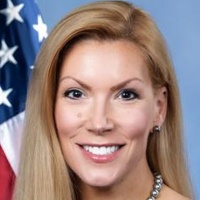
Beth Van Duyne
Representative
TX
Beth Van Duyne
Representative
TX
The Portable Ultrasound Reimbursement Equity Act of 2025 updates Medicare coverage to include diagnostic ultrasound tests. This legislation mandates that Medicare establish separate payments for the transportation and setup of portable ultrasound equipment, mirroring existing payments for portable X-ray services. These changes are set to take effect starting January 1, 2027.
This resolution formally recognizes the 250th anniversary of the United States Marine Corps, honoring its legacy, service, and core values.
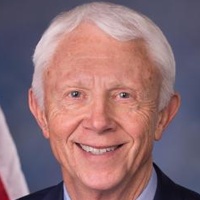
Jack Bergman
Representative
MI
Jack Bergman
Representative
MI
This resolution formally recognizes the upcoming 250th anniversary of the United States Marine Corps in 2025. Congress is honoring the Corps' long history, core values of honor, courage, and commitment, and its consistent readiness to defend the nation. The bill encourages the public to join in celebrating this significant milestone and acknowledging the service and sacrifice of all Marines.
This act eliminates the Optional Practical Training (OPT) program, ending work authorization for F-1 visa students unless explicitly authorized by future Congressional action.

Paul Gosar
Representative
AZ
Paul Gosar
Representative
AZ
The Fairness for High-Skilled Americans Act of 2025 aims to eliminate the Optional Practical Training (OPT) program, which currently allows F-1 student visa holders to gain temporary work authorization after completing their studies. This bill removes the government's authority to grant such work permission unless explicitly authorized by a future Act of Congress.