Legislative Activity
Track Ted's sponsored bills, co-sponsored legislation, and voting record
The Momnibus Act is a comprehensive legislative package designed to improve maternal health outcomes and reduce racial disparities by addressing social determinants, expanding nutritional and mental health support, diversifying the perinatal workforce, and investing in data-driven, community-based care.
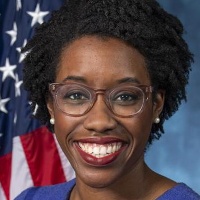
Lauren Underwood
Representative
IL
Lauren Underwood
Representative
IL
The Momnibus Act is a comprehensive legislative package designed to end preventable maternal mortality and close racial and ethnic disparities in maternal health outcomes. By addressing social determinants of health, expanding nutritional and mental health support, and investing in a diverse, culturally competent workforce, the bill provides a holistic framework for improving care. Through targeted federal grants, enhanced data collection, and innovative technology, the Act aims to ensure that all pregnant and postpartum individuals receive the equitable, high-quality care they deserve.
The Energy Bills Relief Act aims to lower energy costs for families by reversing clean energy rollbacks, expanding assistance programs, streamlining grid upgrades, and increasing transparency in utility regulation.
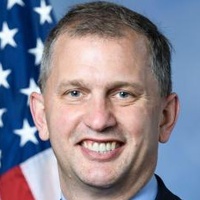
Sean Casten
Representative
IL
Sean Casten
Representative
IL
The Energy Bills Relief Act is a comprehensive bill designed to lower energy costs for American families, accelerate the deployment of low-cost, clean energy, and modernize the nation's electricity grid. It achieves this by reversing harmful policies against renewables, expanding energy assistance programs, streamlining grid connection processes, and increasing transparency in utility regulation. Ultimately, the legislation aims to create a more reliable, affordable, and cleaner energy system while ensuring communities have a stronger voice in energy development.
This bill exempts H-1B healthcare workers from a $100,000 entry fee to help address workforce shortages.
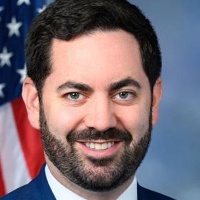
Michael Lawler
Representative
NY
Michael Lawler
Representative
NY
The H-1Bs for Physicians and the Healthcare Workforce Act exempts healthcare workers from a $100,000 entry fee requirement currently imposed on certain H-1B nonimmigrant visa petitions. This legislation aims to remove financial barriers for medical professionals, ensuring they are not subject to fees exceeding standard immigration costs.
The Small AI Innovators Empowerment Act mandates a comprehensive study to identify and address the unique funding, regulatory, and operational challenges faced by small U.S.-based artificial intelligence businesses.
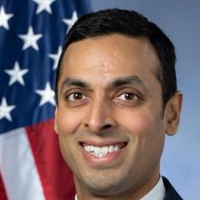
Suhas Subramanyam
Representative
VA
Suhas Subramanyam
Representative
VA
The Small AI Innovators Empowerment Act mandates a comprehensive study to identify the unique challenges faced by small U.S.-based artificial intelligence businesses. This study will analyze critical barriers—including funding, regulatory uncertainty, talent acquisition, and infrastructure access—to provide actionable recommendations for supporting their growth and competitiveness.
This bill protects the Chí’chil Biłdagoteel Historic District by prohibiting mineral extraction and land transfers to ensure the preservation of this sacred site for Native American tribes.
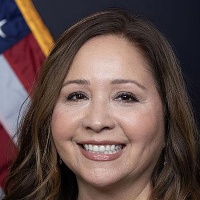
Adelita Grijalva
Representative
AZ
Adelita Grijalva
Representative
AZ
The Preserve the Traditional Cultural Place Chí’chil Biłdagoteel Historic District Act seeks to protect the sacred Oak Flat area by prohibiting all mineral exploration, development, and extraction activities on National Forest System land within the district. The bill mandates that the Secretary of Agriculture manage the area to preserve its cultural and historical integrity in consultation with affected Indian Tribes. Additionally, it prevents the transfer of these lands to Resolution Copper, ensuring the site remains protected from industrial development.
The Enhanced Iran Sanctions Act of 2025 mandates broad economic and immigration sanctions on foreign individuals, entities, and financial institutions that support Iran’s nuclear, missile, drone, or terrorist activities, while specifically targeting the country's petroleum and petrochemical sectors.
Michael Lawler
Representative
NY
Michael Lawler
Representative
NY
The Enhanced Iran Sanctions Act of 2025 strengthens U.S. policy by imposing mandatory sanctions on foreign persons and financial institutions that support Iran’s nuclear, ballistic missile, drone, and terrorist activities. The bill specifically targets Iran’s petroleum and petrochemical sectors to cut off funding for these malign programs. Additionally, it expands the State Department’s "Rewards for Justice" program to incentivize the reporting of individuals who evade these sanctions.
This bill amends the Fair Labor Standards Act to extend minimum wage and overtime protections to home care workers by removing certain exemptions for casual babysitting and caregiving services.
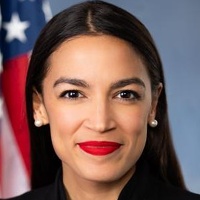
Alexandria Ocasio-Cortez
Representative
NY
Alexandria Ocasio-Cortez
Representative
NY
The Fair Wages for Home Care Workers Act amends the Fair Labor Standards Act to ensure essential wage and overtime protections for caregivers. By updating definitions and removing outdated exemptions, the bill guarantees that home care workers receive the fair compensation and labor standards they deserve.
The Medicaid VBPs for Patients (MVP) Act modernizes Medicaid drug pricing and reporting rules to facilitate value-based purchasing arrangements between states and manufacturers, aiming to improve patient access to innovative therapies.
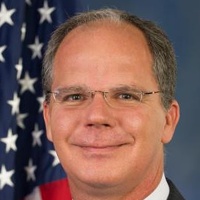
Brett Guthrie
Representative
KY
Brett Guthrie
Representative
KY
The Medicaid VBPs for Patients (MVP) Act updates federal drug pricing regulations to formally support value-based purchasing arrangements in Medicaid and Medicare. By refining how drug prices are calculated and providing guidance for state-level implementation, the bill aims to improve patient access to innovative therapies while ensuring better health outcomes. Additionally, it creates necessary legal exceptions for these arrangements and mandates a GAO study to evaluate their long-term impact on costs and patient care.
The Infant Formula Safety Modernization Act of 2026 mandates stricter manufacturing testing, rapid pathogen reporting, and enhanced Congressional oversight to ensure the safety of infant formula.
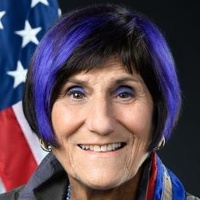
Rosa DeLauro
Representative
CT
Rosa DeLauro
Representative
CT
The Infant Formula Safety Modernization Act of 2026 strengthens federal oversight by mandating rigorous pathogen testing, stricter manufacturing facility standards, and rapid reporting of contamination. The bill requires manufacturers to promptly notify the FDA of positive test results and ensures that Congress is kept informed of critical safety and inspection issues. These measures aim to enhance the safety and quality of infant formula products for all consumers.
This Act amends the Fair Housing Act to establish survivors of domestic violence, sexual assault, or severe forms of trafficking as a protected class, prohibiting housing discrimination against them.
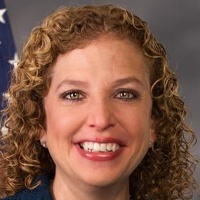
Debbie Wasserman Schultz
Representative
FL
Debbie Wasserman Schultz
Representative
FL
The Fair Housing for Survivors Act of 2026 amends the Fair Housing Act to establish survivors of domestic violence, sexual assault, or severe forms of trafficking as a protected class. This makes it illegal to discriminate against these individuals in housing transactions, including rentals, sales, and financing. The bill aims to ensure survivors can secure and maintain safe housing free from further victimization.
This resolution urges the President to order U.S. flags flown at half-staff to honor the life and legacy of civil rights leader Reverend Jesse Jackson.
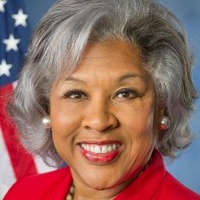
Joyce Beatty
Representative
OH
Joyce Beatty
Representative
OH
This resolution formally honors the life and enduring legacy of civil rights leader Reverend Jesse Louis Burns Jackson, Sr. It recognizes his significant contributions to the Civil Rights Movement, including his work with Dr. Martin Luther King, Jr. and his founding of Operation PUSH. The bill specifically urges the President to order that the U.S. flag be flown at half-staff in his memory.
This act restricts the Department of Defense's sale and purchase of military-grade weapons and ammunition, imposing strict licensing, conduct, and record-keeping requirements on commercial dealers who wish to sell to or buy from the DoD.
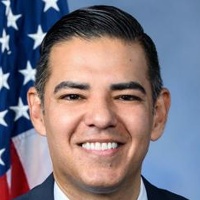
Robert Garcia
Representative
CA
Robert Garcia
Representative
CA
The Stop Militarizing Our Streets Act of 2026 restricts the Department of Defense from selling or purchasing certain military-grade weapons and ammunition from commercial entities. It establishes strict requirements for dealers wishing to sell firearms or ammunition to the DoD, including enhanced background checks, electronic recordkeeping, and limits on ammunition sales. The bill aims to prevent military weaponry from entering the commercial marketplace and ensure accountability among defense contractors.
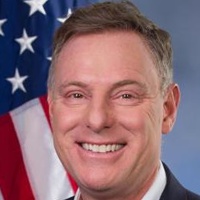
This bill authorizes the Secretary of Homeland Security to transfer specific unobligated funds between department accounts during a lapse in appropriations, subject to certain restrictions.
Scott Peters
Representative
CA
Scott Peters
Representative
CA
This bill grants the Secretary of Homeland Security temporary authority to transfer specific unobligated funds between department accounts during a lapse in appropriations. These transfers are subject to strict limitations, including prohibitions on funding executive management, immigration enforcement, or border protection operations. Additionally, the legislation explicitly restricts the use of these transferred funds for hiring new personnel.
The Supplemental Security Income Restoration Act of 2026 updates and expands the SSI program by increasing benefit amounts, raising income and resource limits, eliminating marriage penalties, and extending coverage to U.S. territories.
Adelita Grijalva
Representative
AZ
Adelita Grijalva
Representative
AZ
The Supplemental Security Income (SSI) Restoration Act of 2026 aims to modernize and expand the SSI program by significantly increasing income and resource limits, which will be adjusted annually for inflation. The bill eliminates marriage penalties, excludes retirement accounts and certain tribal payments from resource calculations, and simplifies administrative requirements for beneficiaries. Additionally, it extends full SSI program eligibility to Puerto Rico, the U.S. Virgin Islands, Guam, and American Samoa.
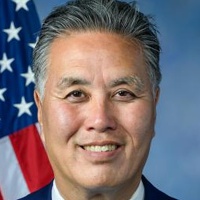
The PrEP Access and Coverage Act of 2026 mandates comprehensive, cost-free insurance coverage for HIV prevention services across public and private health plans while prohibiting discriminatory insurance practices and funding national education and outreach programs.
Mark Takano
Representative
CA
Mark Takano
Representative
CA
The PrEP Access and Coverage Act of 2026 mandates comprehensive, cost-free insurance coverage for HIV prevention services (PrEP and PEP) across private health plans, Medicare, Medicaid, TRICARE, and veteran health programs. The bill prohibits insurers from denying coverage or increasing premiums based on the use of HIV prevention medication and establishes robust patient confidentiality protections. Additionally, it authorizes national public health education campaigns and provides grant funding to expand access to prevention services for uninsured and underinsured populations.
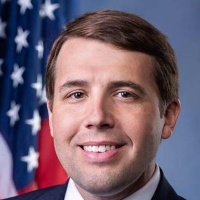
This bill strengthens democracy by banning foreign spending in U.S. elections, increasing transparency for "dark money" in politics, and mandating clear disclosure of funders in political advertising.
Chris Pappas
Representative
NH
Chris Pappas
Representative
NH
The Democracy Is Strengthened by Casting Light On Spending in Elections Act of 2026 aims to increase transparency and security in U.S. elections. It closes loopholes to ban foreign national spending in elections, mandates disclosure for "dark money" political spending, and requires clear funding disclosures on political ads. The bill also centralizes legal challenges to campaign finance laws in Washington, D.C., for faster resolution.
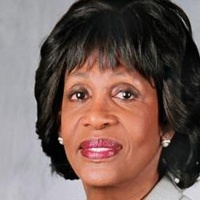
This resolution honors the life, legacy, and enduring commitment to civil rights and equality of Reverend Jesse Louis Jackson, Sr.
Maxine Waters
Representative
CA
Maxine Waters
Representative
CA
This resolution honors the life, leadership, and enduring legacy of Reverend Jesse Louis Jackson, Sr. It recognizes his pivotal role as a civil rights leader, his groundbreaking political campaigns, and his global advocacy for human rights and equality. The measure encourages all Americans to continue his work by moving forward with hope rather than fear and division.
The LIGHT Safety Act mandates that the National Highway Traffic Safety Administration establish new federal brightness standards for vehicle low-beam headlights to reduce glare and improve road safety.
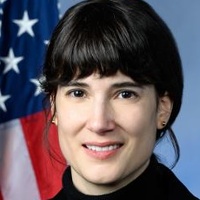
Marie Gluesenkamp Perez
Representative
WA
Marie Gluesenkamp Perez
Representative
WA
The LIGHT Safety Act mandates that the National Highway Traffic Safety Administration establish a maximum brightness standard for vehicle low-beam headlights. This legislation aims to improve road safety by reducing intense glare from oncoming traffic. The Secretary of Transportation is required to issue these new federal safety regulations within one year of enactment.
The African American History Act of 2026 authorizes the National Museum of African American History and Culture to develop and support educational programs, resources, and curricula to enhance the teaching of African American history nationwide.
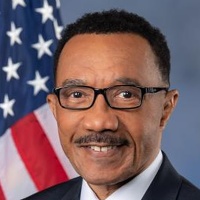
Kweisi Mfume
Representative
MD
Kweisi Mfume
Representative
MD
The African American History Act of 2026 authorizes the National Museum of African American History and Culture to develop and expand educational resources, curricula, and digital programming for students and educators nationwide. By providing $10 million in annual funding through 2030, the Act aims to promote a deeper understanding of African American history through a social justice and anti-bias lens. Additionally, the legislation encourages the development of similar educational initiatives across other Smithsonian museums dedicated to diverse American histories.
This resolution designates Black History Month 2026, honors the contributions of Black Americans through the "Unsung Souls" and "Righteous Intercessors" recognitions, and affirms the importance of a complete national narrative.
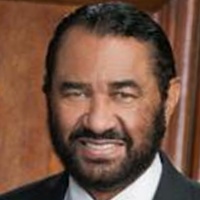
Al Green
Representative
TX
Al Green
Representative
TX
This resolution officially recognizes Black History Month and adopts "A Century of Black History Commemorations" as the theme for 2026. It honors the contributions of Black Americans by establishing categories for "Unsung Souls" and "Righteous Intercessors." Ultimately, the bill affirms that Black history commemorations are essential for a complete national narrative and inspiring future progress toward liberty and justice for all.