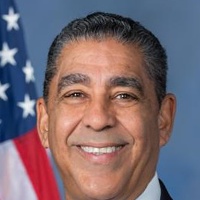
Legislative Activity
Track Adriano's sponsored bills, co-sponsored legislation, and voting record
This resolution officially designates October 8, 2025, as Latina Equal Pay Day to recognize and address the significant wage disparity faced by Latina women compared to White, non-Hispanic men.
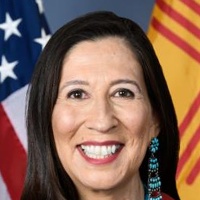
Teresa Leger Fernandez
Representative
NM
Teresa Leger Fernandez
Representative
NM
This resolution officially designates October 8, 2025, as Latina Equal Pay Day to highlight the significant wage disparity faced by Latina workers. It recognizes that Latinas currently earn only about 58 cents for every dollar earned by White, non-Hispanic men, resulting in substantial lifetime earnings loss. The bill calls attention to systemic factors like workplace policies and harassment that contribute to this ongoing economic injustice. Ultimately, Congress reaffirms its commitment to achieving pay equity for all women.
This bill officially designates the United States Postal Service facility at 47 Echo Avenue in Miller Place, New York, as the "Christopher Pendergast Post Office Building."
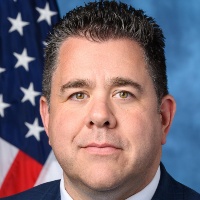
Nicolas LaLota
Representative
NY
Nicolas LaLota
Representative
NY
This bill officially designates the United States Postal Service facility located at 47 Echo Avenue in Miller Place, New York, as the "Christopher Pendergast Post Office Building." The legislation ensures that all official government records and documents reflect this new name for the location.
The Child Care for Every Community Act establishes a national framework to guarantee universal access to high-quality, regulated early learning programs with mandated national standards and comparable pay for staff.
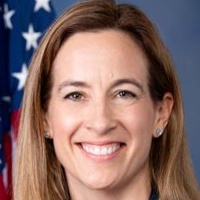
Mikie Sherrill
Representative
NJ
Mikie Sherrill
Representative
NJ
The Child Care for Every Community Act establishes a national framework to guarantee universal access to high-quality, regulated child care and early learning programs for every young child. It mandates federal standards for quality, ensures child care staff receive pay comparable to K-12 employees, and requires local coordination with school systems. Furthermore, the bill protects existing state funding levels and caps family fees based on income.
The No Shame at School Act of 2025 mandates that schools must eliminate meal debt stigma by prohibiting overt identification of students who owe fees and ensuring immediate action to certify eligible children for free or reduced-price meals.

Ilhan Omar
Representative
MN
Ilhan Omar
Representative
MN
The No Shame at School Act of 2025 mandates that schools must stop shaming students over unpaid meal debt by prohibiting overt identification or segregation of students who owe fees. This law requires local agencies to actively pursue free meal certification for students with outstanding balances and prevents schools from taking food away after it has been served. Furthermore, it establishes strict rules for debt collection, forbidding communication directed at the child and banning the use of third-party debt collectors.
This bill officially renames the United States Postal Service facility at 240 Main Street in Northport, New York, as the "Coast Guard Petty Officer 3rd Class Nate Bruckenthal Post Office Building."
Nicolas LaLota
Representative
NY
Nicolas LaLota
Representative
NY
This bill officially renames the United States Postal Service facility at 240 Main Street in Northport, New York. The building will now be known as the "Coast Guard Petty Officer 3rd Class Nate Bruckenthal Post Office Building." This action ensures all official records reflect the new designation honoring Petty Officer Bruckenthal.
This Act provides appropriations and mandates contract price adjustments to compensate federal contractor employees for losses incurred due to funding lapses or government shutdowns.
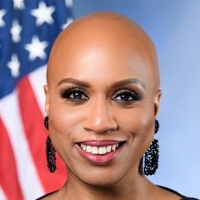
Ayanna Pressley
Representative
MA
Ayanna Pressley
Representative
MA
The Fair Pay for Federal Contractors Act of 2025 ensures that employees of federal contractors are compensated for losses incurred due to government funding lapses or shutdowns. It requires federal agencies to adjust existing contracts to cover reasonable costs associated with furloughs, pay cuts, or mandatory leave taken by contractor employees. The bill appropriates necessary funds to cover these contract price adjustments and mandates public reporting on the compensation provided.
This bill ensures that essential, furloughed federal employees receive unemployment compensation during government shutdowns in fiscal years 2026 or 2027, with the federal government reimbursing states for all paid benefits and administrative costs.
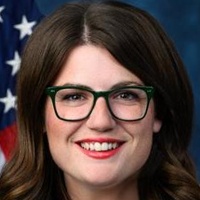
Sarah Elfreth
Representative
MD
Sarah Elfreth
Representative
MD
The Help Federal Employees During Shutdowns Act (Help FEDS Act) ensures that essential, non-paid federal employees working during a government shutdown can receive state unemployment compensation for the weeks they are actively working. This legislation mandates that the federal government fully reimburse states for all benefits paid out, plus administrative costs, directly from the Unemployment Trust Fund. Any employee who receives retroactive pay for a period they were also paid unemployment must repay those benefits to the state.
This bill officially designates the United States Postal Service facility at 170 Main Street in Westhampton Beach, New York, as the "Jolly 51 Memorial Post Office Building."
Nicolas LaLota
Representative
NY
Nicolas LaLota
Representative
NY
This bill officially renames the United States Postal Service facility at 170 Main Street in Westhampton Beach, New York. The building will henceforth be known as the "Jolly 51 Memorial Post Office Building." This designation ensures all federal references to the location use the new memorial name.
This resolution expresses support for National Public Lands Day, encouraging Americans to visit public lands on the fee-free day to recognize their cultural and economic value.
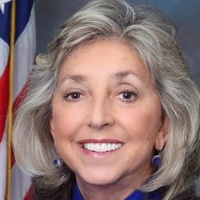
Dina Titus
Representative
NV
Dina Titus
Representative
NV
This resolution officially expresses support for National Public Lands Day, recognizing the vast spiritual, cultural, and economic value of America's public lands. It encourages all citizens to visit these lands on the designated fee-free day. The measure highlights the significant acreage managed by various federal agencies that support recreation and the national economy.
This resolution officially recognizes the critical disparities in Black youth mental health access and treatment and urges the administration to implement recommendations to address the crisis.
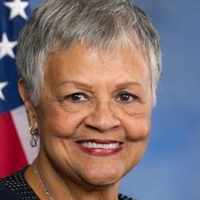
Bonnie Watson Coleman
Representative
NJ
Bonnie Watson Coleman
Representative
NJ
This resolution formally recognizes the critical disparities in mental health access and treatment for Black youth, citing alarming increases in suicide rates among this population. It calls on the current administration to build upon previous efforts and implement recommendations from the *Ring the Alarm* report. The bill specifically urges increased funding, promotion of community education to reduce stigma, and protection of existing mental health service structures.
The Safe Step Act mandates that group health plans using medication step therapy establish clear, timely exception processes for patients and doctors when required drugs are medically inappropriate or ineffective.
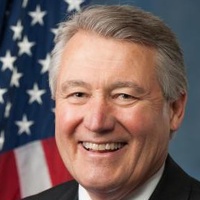
Rick Allen
Representative
GA
Rick Allen
Representative
GA
The Safe Step Act establishes mandatory, transparent exception processes for health plans that use "step therapy" protocols for prescription drugs. This ensures patients or their doctors can quickly request coverage for a prescribed medication when specific clinical criteria are met, such as previous treatment failure or risk of harm. Plans must decide on standard requests within 72 hours and urgent requests within 24 hours, and approved exceptions must last for at least one year. Furthermore, insurers must report detailed data annually on exception requests, approvals, and denials to the Secretary of Health and Human Services.
This bill posthumously awards a Congressional Gold Medal to Welles Remy Crowther for his heroic actions during the September 11, 2001, attacks.
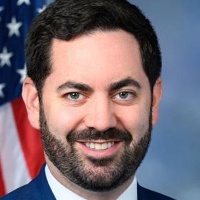
Michael Lawler
Representative
NY
Michael Lawler
Representative
NY
This bill, the Welles Remy Crowther Congressional Gold Medal Act, authorizes the posthumous presentation of a Congressional Gold Medal to Welles Remy Crowther for his extraordinary heroism and sacrifice during the September 11, 2001, attacks. The medal will be presented to his mother, Alison Crowther, on behalf of Congress. The Act also permits the creation and sale of bronze duplicates to cover production costs.
The POJA Act of 2025 explicitly extends age discrimination protections under the ADEA to job applicants and mandates an EEOC study on related claims.
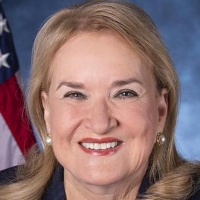
Sylvia Garcia
Representative
TX
Sylvia Garcia
Representative
TX
The Protect Older Job Applicants Act of 2025 (POJA Act) explicitly extends the protections of the Age Discrimination in Employment Act (ADEA) to job applicants, prohibiting employers from limiting or classifying applicants based on age during the hiring process. Additionally, the bill mandates that the EEOC conduct a study on age discrimination claims filed under the ADEA since 2015. The EEOC must then report these findings, along with recommendations for combating hiring bias, to Congress and the public.
This bill establishes federal oversight, led by the FTC, requiring large entities to conduct impact assessments and report on high-stakes "covered algorithms" to ensure fairness and mitigate consumer harm.
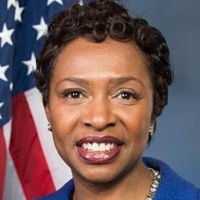
Yvette Clarke
Representative
NY
Yvette Clarke
Representative
NY
The Algorithmic Accountability Act of 2025 establishes federal oversight for large entities using complex automated systems, or "covered algorithms," that impact critical consumer decisions like employment or housing. It mandates that these entities conduct rigorous, ongoing impact assessments to test for bias, privacy risks, and performance issues. The Federal Trade Commission (FTC) is tasked with creating detailed regulations and enforcing compliance, including requiring covered entities to submit annual summary reports detailing their assessment findings. This Act ensures that significant algorithmic decisions are scrutinized for fairness and transparency without overriding stricter state or local regulations.
This bill mandates that federally funded higher education institutions update their harassment policies to explicitly cover technology-facilitated harassment and establishes a competitive grant program to fund anti-harassment initiatives.
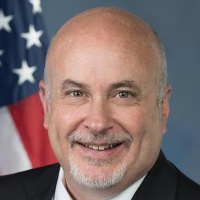
Mark Pocan
Representative
WI
Mark Pocan
Representative
WI
The Tyler Clementi Higher Education Anti-Harassment Act of 2025 mandates that colleges receiving federal funds update their policies to explicitly prohibit and detail procedures for addressing harassment based on protected characteristics, including technology-facilitated abuse. The bill also establishes a competitive grant program, funded up to $50 million annually, to support campus efforts in harassment prevention, training, and support services. This legislation adds new requirements without superseding existing civil rights protections.
The Future Generations Protection Act mandates zero greenhouse gas emissions from new power plants, bans hydraulic fracturing starting in 2029, and restricts crude oil and natural gas exports while prioritizing a just transition away from fossil fuels.

Janice Schakowsky
Representative
IL
Janice Schakowsky
Representative
IL
The Future Generations Protection Act aims to combat climate change by immediately banning greenhouse gas emissions from new power plants and halting the approval of most new Liquefied Natural Gas (LNG) terminals. It also establishes a nationwide ban on hydraulic fracturing starting in 2029 and generally prohibits the export of domestically produced crude oil and natural gas, with limited exceptions for oil swaps and historical trade relationships. Furthermore, the Act mandates that the energy transition prioritize environmental justice, fairness for fossil fuel workers, and strong labor union involvement.
This resolution officially recognizes and supports the designation of the third week of September as "Latino Conservation Week" to celebrate the Latino community's vital role in outdoor recreation and natural resource protection.
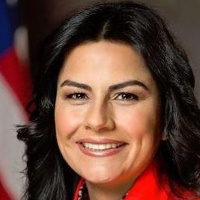
Nanette Barragán
Representative
CA
Nanette Barragán
Representative
CA
This resolution officially recognizes the vital role of the Latino community in outdoor recreation and natural resource protection across the United States. It expresses support for designating the third week of September as "Latino Conservation Week" to celebrate their ongoing commitment to conservation. The bill highlights the importance of ensuring equitable access to nature for all communities.
This Act conditions eligibility for Edward Byrne Memorial Justice Assistance Grants on prohibiting firearm transfers with licensed dealers identified by the ATF as frequently selling guns used quickly in crimes.
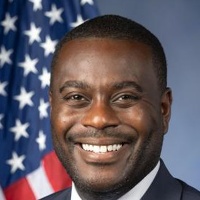
Gabe Amo
Representative
RI
Gabe Amo
Representative
RI
The Responsible Retirement of Law Enforcement Firearms Act of 2025 (RRLEF Act) amends the Edward Byrne Memorial Justice Assistance Grant Program to require state and local agencies to cease firearm transfers with licensed dealers flagged by the ATF. Dealers are placed on a restricted list if a significant number of their traced firearms show a "short time-to-crime." Furthermore, the Act mandates increased public disclosure of firearm tracing data by the ATF, removing previous statutory restrictions on making this information public.
This bill mandates dedicated, funded resources for specialized 988 Suicide Prevention Lifeline services for LGBTQ+ youth.
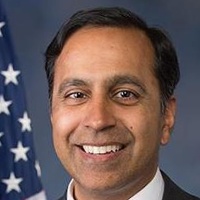
Raja Krishnamoorthi
Representative
IL
Raja Krishnamoorthi
Representative
IL
The **988 LGBTQ+ Youth Access Act of 2025** addresses the high rates of suicide risk among LGBTQ youth by strengthening specialized support through the national crisis hotline. This bill mandates that dedicated resources and services, such as a specific dialing option, must be maintained for LGBTQ individuals contacting 988. Furthermore, it requires that at least 9 percent of appropriated funds for the hotline be specifically reserved to ensure these specialized services for LGBTQ youth remain fully operational.
This Act mandates that new passenger motor vehicles sold in the U.S. must include standard equipment capable of receiving AM broadcast radio signals.

Gus Bilirakis
Representative
FL
Gus Bilirakis
Representative
FL
The AM Radio for Every Vehicle Act of 2025 mandates that the Secretary of Transportation establish a rule requiring AM broadcast radio receivers to be installed as standard equipment in new passenger motor vehicles. This requirement aims to ensure public access to AM radio signals, which are often used for emergency alerts. The bill also directs a GAO study on the effectiveness of AM radio within the national emergency alert system compared to other technologies. Finally, the Act preempts state and local laws on this matter and includes a sunset provision eight years after enactment.