Legislative Activity
Track Lloyd's sponsored bills, co-sponsored legislation, and voting record
This bill removes certain numerical caps on specific employment-based immigrant visas to better allocate green cards.
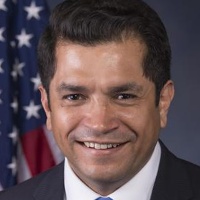
Jimmy Gomez
Representative
CA
Jimmy Gomez
Representative
CA
The Protect Vulnerable Immigrant Youth Act aims to reform employment-based immigration by eliminating certain numerical caps for specific visa categories. This legislation amends existing law to adjust how preference statuses are allocated for these immigrant visas. The overall goal is to streamline the process for certain employment-based immigrants.
This Act formally establishes the science-based Advisory Committee on Immunization Practices (ACIP) and mandates that changes to the National Vaccine Injury Compensation Program's injury table must be supported by a preponderance of the best available scientific evidence.
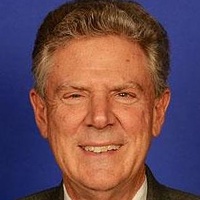
Frank Pallone
Representative
NJ
Frank Pallone
Representative
NJ
The Family Vaccine Protection Act formally establishes the Advisory Committee on Immunization Practices (ACIP) into law, requiring all its vaccine recommendations to be based on the preponderance of the best available, peer-reviewed scientific evidence. This legislation mandates strict procedures for the CDC Director to adopt or reject ACIP advice, including notifying Congress if a recommendation is rejected. Furthermore, the Act requires that any changes to the National Vaccine Injury Compensation Program's injury table must also be supported by strong scientific evidence.
This Act standardizes the gaming regulations for the Ysleta del Sur Pueblo and Alabama-Coushatta Tribes in Texas to align them fully with the federal Indian Gaming Regulatory Act.
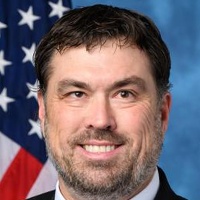
Morgan Luttrell
Representative
TX
Morgan Luttrell
Representative
TX
The Tribal Gaming Regulatory Compliance Act aims to standardize gaming regulations for the Ysleta del Sur Pueblo and the Alabama-Coushatta Indian Tribes in Texas. This bill ensures these two Tribes are regulated consistently under the federal Indian Gaming Regulatory Act, just like all other Tribes nationwide. It achieves this by removing confusing, outdated language specific to Texas and fully applying existing federal gaming laws to their operations.
This resolution urgently calls for the immediate delivery of humanitarian aid to address the severe hunger crisis in Gaza and demands the administration use all diplomatic means to secure hostage release and end the fighting.
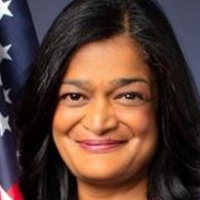
Pramila Jayapal
Representative
WA
Pramila Jayapal
Representative
WA
This resolution formally expresses the House of Representatives' grave concern over the severe humanitarian crisis and widespread suffering of civilians in Gaza, alongside the plight of hostages. It urgently calls on the Administration to use all diplomatic tools to secure the release of all hostages. Furthermore, the bill demands the immediate delivery and secure distribution of essential humanitarian aid to address the catastrophic hunger crisis in Gaza.
This bill establishes an FBI Animal Cruelty Crimes Taskforce to investigate federal animal cruelty laws, train local law enforcement, and report annually to Congress on enforcement efforts.
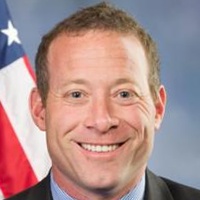
Josh Gottheimer
Representative
NJ
Josh Gottheimer
Representative
NJ
The FBI Animal Cruelty Taskforce Act of 2025 establishes a dedicated Animal Cruelty Crimes Taskforce within the FBI to investigate and enforce federal laws against severe animal cruelty, such as dogfighting and crush videos. This Taskforce is also responsible for developing training materials for local law enforcement. Furthermore, it must coordinate with other federal agencies and submit annual reports to Congress detailing enforcement statistics, including charges filed and convictions secured.
This resolution expresses the House's sense that Congress should enact the Older Americans Bill of Rights to guarantee older Americans the right to live with dignity and independence through improved healthcare, financial security, and community participation.

Janice Schakowsky
Representative
IL
Janice Schakowsky
Representative
IL
This resolution expresses the sense of the House that Congress should enact the Older Americans Bill of Rights to affirm the right of older Americans to live with dignity and independence. It highlights severe challenges facing seniors, including poverty, food insecurity, social isolation, and gaps in healthcare access. The proposed Bill of Rights calls for strengthening Social Security and Medicare, lowering prescription drug costs, and ensuring access to affordable housing and essential services. Ultimately, this measure urges Congress to establish comprehensive protections for the financial security, health, and community participation of older adults.
This act bans the interstate transportation of horses using vehicles with two or more stacked levels.
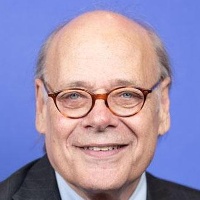
Steve Cohen
Representative
TN
Steve Cohen
Representative
TN
The Horse Transportation Safety Act of 2025 prohibits the interstate transport of horses using any truck or trailer with two or more stacked levels. This measure aims to enhance animal welfare during cross-state travel by banning multilevel transport configurations. Violators who knowingly break this rule face civil penalties ranging from $\$100$ to $\$500$ per violation.
The Menstrual Equity For All Act of 2025 mandates the provision of free menstrual products across schools, correctional facilities, federal buildings, and workplaces, while also expanding coverage under Medicaid and eliminating sales tax on these essential items.
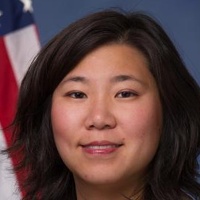
Grace Meng
Representative
NY
Grace Meng
Representative
NY
The Menstrual Equity For All Act of 2025 aims to eliminate period poverty by ensuring access to free menstrual products across various sectors of society. This comprehensive bill mandates the availability of these essential supplies in K-12 schools, colleges, correctional facilities, federal buildings, and workplaces with over 100 employees. Furthermore, it expands coverage under Medicaid, allocates specific funding through social service block grants and TANF programs, and prohibits states from taxing menstrual products.
This bill restricts the transfer of specific offensive military articles and defense services to Israel until Congress authorizes their use for specified purposes and Israel provides written assurances of compliance with international law.
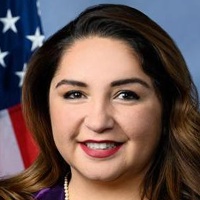
Delia Ramirez
Representative
IL
Delia Ramirez
Representative
IL
This bill imposes significant restrictions on the transfer of specific defense articles and services to Israel. Transfers of listed military equipment, such as certain bombs and ammunition, are prohibited unless Congress first passes a law detailing their specific authorized use. Furthermore, Israel must provide satisfactory written assurances that the items will only be used for those stated purposes and in compliance with international law.
The Fit to Serve Act prohibits discrimination against service members and recruits in the Armed Forces based on their gender identity.
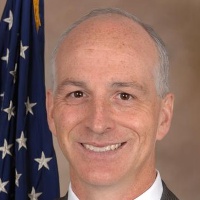
Adam Smith
Representative
WA
Adam Smith
Representative
WA
The Fit to Serve Act prohibits the U.S. Armed Forces from discriminating against service members based on their gender identity. This means military branches cannot set different standards, involuntarily discharge personnel, or deny medically necessary healthcare due to a service member's gender identity. The bill ensures equal opportunity for joining, serving, and receiving care regardless of one's internal sense of self.
This bill protects striking and locked-out workers by preventing employers from terminating or altering their group health plan coverage during a labor dispute and establishes significant civil penalties for violations.
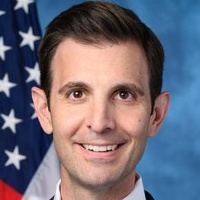
Chris Deluzio
Representative
PA
Chris Deluzio
Representative
PA
The Striking and Locked Out Workers Healthcare Protection Act ensures that employers cannot terminate or alter group health plan coverage for employees during a lawful strike or an employer-initiated lockout. This legislation aims to prevent employers from using health benefits as leverage during labor disputes. The bill also establishes significant civil penalties, including fines up to \$150,000 per violation, for employers who interfere with this coverage, and allows for individual liability for directors and officers involved in such violations.
This Act establishes mandatory ethics codes, recusal standards, and enhanced financial disclosure requirements for Supreme Court Justices and federal judges.
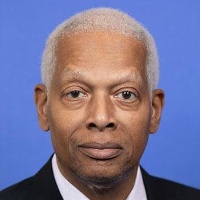
Henry Johnson
Representative
GA
Henry Johnson
Representative
GA
The Supreme Court Ethics, Recusal, and Transparency Act of 2025 establishes a mandatory, public code of conduct and a formal complaint process for Supreme Court Justices, modeled after procedures for lower federal judges. The bill also institutes stricter disclosure requirements for gifts and financial ties, and mandates judicial disqualification in cases involving recent lobbying contact or significant financial relationships with involved parties. Furthermore, it creates new review panels for disqualification motions and requires parties and *amici* to disclose financial supporters connected to the case.
This Act establishes a new federal grant program to provide operating support for high-quality public transit that prioritizes service improvements in underserved communities, while also increasing the federal share for rural transit operating costs.
Henry Johnson
Representative
GA
Henry Johnson
Representative
GA
The Stronger Communities through Better Transit Act establishes a new federal grant program to provide operating support for high-quality public transit services. This funding is specifically targeted to improve mobility and environmental outcomes, with a requirement that the majority of funds benefit underserved communities or areas of persistent poverty. The Act also increases the federal share for rural transit operating assistance up to 80%.
This joint resolution expresses congressional disapproval to prohibit the proposed foreign military sale of specific defense articles and services to the United Arab Emirates.
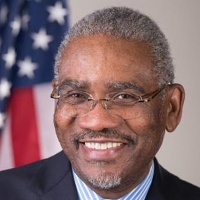
Gregory Meeks
Representative
NY
Gregory Meeks
Representative
NY
This joint resolution seeks to formally disapprove and prohibit a specific proposed foreign military sale to the United Arab Emirates. The bill directly blocks the transfer of defense articles, including Chinook helicopters, specialized navigation systems, and communications equipment. Essentially, Congress is using its authority to stop this particular arms deal from moving forward.
This joint resolution disapproves and blocks the proposed military sale of F-16 components and related services to the United Arab Emirates.
Gregory Meeks
Representative
NY
Gregory Meeks
Representative
NY
This joint resolution seeks to disapprove and halt a specific proposed foreign military sale of F-16 aircraft components, spare parts, and related support services to the Government of the United Arab Emirates. Congress is exercising its authority under the Arms Export Control Act to block this transaction. If passed, the defense articles and services outlined in Transmittal No. 2525 will not be sold to the UAE.
This bill establishes mandatory minimum registered nurse-to-patient staffing ratios in hospitals to enhance patient safety, enforces these standards across federal healthcare programs, and funds initiatives to support the nursing workforce.
Janice Schakowsky
Representative
IL
Janice Schakowsky
Representative
IL
The Nurse Staffing Standards for Hospital Patient Safety and Quality Care Act of 2025 establishes mandatory minimum registered nurse-to-patient ratios across various hospital units to enhance patient safety and care quality. This legislation requires hospitals to implement detailed staffing plans, ensures enforcement through federal programs like Medicare and Medicaid, and supports the nursing workforce through expanded financial aid and retention initiatives. Furthermore, the bill protects nurses who refuse unsafe assignments and establishes clear mechanisms for reporting violations.
This bill mandates that school food service worker training must be paid, occur during work hours when possible, and prohibits penalizing staff for non-attendance.
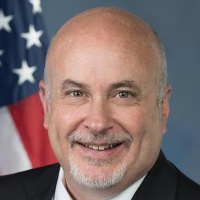
Mark Pocan
Representative
WI
Mark Pocan
Representative
WI
The Improving Training for School Food Service Workers Act of 2025 establishes new federal standards for required training programs for school food service personnel. This bill mandates that all required training must be paid for by the employer, conducted during regular work hours whenever possible, and offered at no cost to the employee. Furthermore, the Act strictly prohibits employers from penalizing staff who are unable to attend training sessions.
The GHOST Act of 2025 establishes a federal system requiring advance registration and delivery confirmation for the interstate shipment of firearm barrels, slides, and bolts.
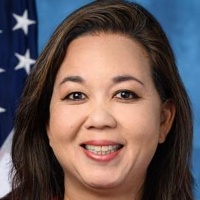
Jill Tokuda
Representative
HI
Jill Tokuda
Representative
HI
The GHOST Act of 2025 establishes a new Federal Interstate Firearm Parts Reporting System to track the shipment of specific gun components, including barrels, slides, and bolts, across state or international lines. Shippers must pre-register these covered components with the Attorney General, detailing sender, recipient, and shipping method, and later confirm delivery. The system allows for retroactive registration but imposes significant penalties for knowingly circumventing these tracking requirements.
This bill prohibits individuals under 18 from having direct contact with tobacco plants or dried tobacco leaves on farms to strengthen child labor protections in tobacco agriculture.
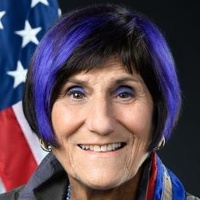
Rosa DeLauro
Representative
CT
Rosa DeLauro
Representative
CT
The Children Don't Belong on Tobacco Farms Act amends child labor laws to prohibit individuals under 18 from having direct contact with tobacco plants or dried tobacco leaves. This change ensures that agricultural work involving direct handling of tobacco falls under federal child labor protections. The bill specifically updates exemptions to reflect this new restriction on youth employment in tobacco agriculture.
This bill prohibits the use of federal funds to implement Executive Order 14160, which sought to limit birthright citizenship guaranteed by the Fourteenth Amendment.
Delia Ramirez
Representative
IL
Delia Ramirez
Representative
IL
The Born in the USA Act of 2025 declares that Executive Order 14160, which attempted to restrict birthright citizenship, is unconstitutional and contrary to the 14th Amendment. This Act prohibits the use of any federal funds to implement or enforce that Executive Order. It affirms the established constitutional right to birthright citizenship for nearly everyone born on U.S. soil.