Legislative Activity
Track Danny's sponsored bills, co-sponsored legislation, and voting record
The COOL OFF Act establishes a mandatory 3-day waiting period for handgun transfers, with specific exceptions for law enforcement, family loans, emergencies, and certain target practice or hunting scenarios.
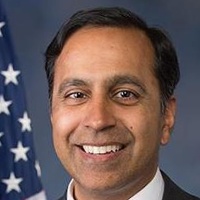
Raja Krishnamoorthi
Representative
IL
Raja Krishnamoorthi
Representative
IL
The Choosing Our Own Lives Over Fast Firearms Act, or COOL OFF Act, establishes a mandatory 3-business-day waiting period before an individual can receive a handgun, whether through a private sale or from a licensed dealer. This waiting period is waived for specific exceptions, such as transfers involving law enforcement, temporary family loans, or emergency situations to prevent serious harm. The law includes penalties for violations and will take effect 90 days after enactment.
This constitutional amendment prohibits immunity from criminal prosecution for federal officials based on their official duties and bars the President from self-pardoning.
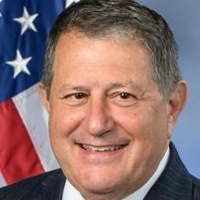
Joseph Morelle
Representative
NY
Joseph Morelle
Representative
NY
This proposed constitutional amendment would eliminate immunity from criminal prosecution for federal officials, including the President, based on their official duties. It also explicitly prohibits the President from issuing a self-pardon for any federal crimes. If ratified, these changes would take effect immediately.
The EACH Act of 2025 mandates that all federally funded health programs and facilities must cover and provide abortion services, while also prohibiting federal interference with private insurance coverage.
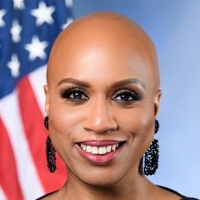
Ayanna Pressley
Representative
MA
Ayanna Pressley
Representative
MA
The EACH Act of 2025 aims to ensure equal access to abortion coverage by requiring all federally funded health programs and facilities to cover abortion services. This legislation prohibits federal interference with state or private insurance coverage of abortion and repeals Section 1303 of the Affordable Care Act. Ultimately, the bill seeks to eliminate financial and insurance barriers to abortion care, particularly for low-income individuals relying on programs like Medicaid.
This Act establishes policies and financial incentives to lower remittance costs, encourage formal investment, and support the economic development of African and Caribbean diaspora communities.
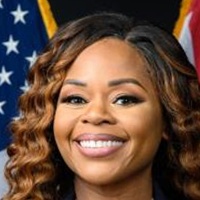
Sheila Cherfilus-McCormick
Representative
FL
Sheila Cherfilus-McCormick
Representative
FL
The African Diaspora Investment and Development Act (AIDA) aims to strengthen U.S. relationships with African and Caribbean nations by empowering diaspora communities. The bill focuses on lowering the high costs of sending remittances, encouraging formal diaspora investment through new financial tools, and providing tax incentives for sending money home for essential needs. Ultimately, AIDA seeks to treat the millions of diaspora members as strategic economic partners to foster development across Africa and the Caribbean.
This act renames the Master Promissory Note to the "student loan contract" for certain federal student loans and limits its use to loans taken out within the same award year.
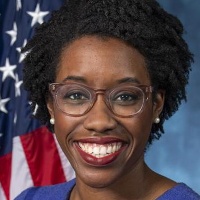
Lauren Underwood
Representative
IL
Lauren Underwood
Representative
IL
The Student Loan Contract Act of 2025 renames the Master Promissory Note for certain federal student loans to a "student loan contract." This new contract can only be used for additional loans taken out within the same award year as the initial signing. The bill also updates disclosure requirements to ensure students receive a copy of this new contract.
This bill places a temporary moratorium on the closure or restriction of access to National Oceanic and Atmospheric Administration (NOAA) facilities until 180 days after a required justification report is submitted to Congress.
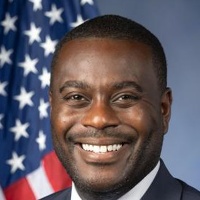
Gabe Amo
Representative
RI
Gabe Amo
Representative
RI
The Stop NOAA Closures Act places a temporary moratorium on the closure or restriction of access to any National Oceanic and Atmospheric Administration (NOAA) facilities. This freeze remains in effect until 180 days after key officials submit a required report to Congress detailing the criteria and process for any future facility changes. After the moratorium lifts, any major facility action will still require a 30-day advance notice and justification report to Congress, except in cases of immediate emergency threatening staff safety.
The Gun Safety Incentive Act establishes federal guidelines for safe firearm storage, mandates safety warnings on new firearms, expands safe storage requirements for firearm sales, creates a grant program for states to distribute storage devices, and offers a tax credit to businesses selling safe storage devices.
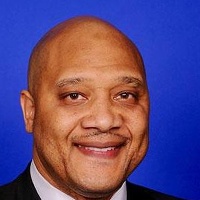
André Carson
Representative
IN
André Carson
Representative
IN
The Gun Safety Incentive Act aims to promote responsible firearm ownership by establishing voluntary best practices for safe storage developed by the Attorney General. It mandates clear safe storage warnings on newly manufactured firearms and expands existing federal law to require safe storage information for all firearm purchases, including rifles and shotguns. Furthermore, the Act establishes a grant program to help states and Tribes distribute free safe storage devices and creates a tax credit for businesses selling these devices.
This Act mandates that federal agencies integrate specific equity goals into their strategic and performance planning, establish internal equity advisory teams, and enhance data practices to ensure fair service delivery to underserved communities.
Ayanna Pressley
Representative
MA
Ayanna Pressley
Representative
MA
The Equity in Government Act mandates that federal agencies integrate specific equity goals into their strategic and performance plans, ensuring at least 20% of goals focus on improving service delivery to underserved communities. The bill establishes new leadership structures, including an Agency Equity Advisory Team, and enhances the role of the Chief Data Officer Council to prioritize equitable data collection and use. Furthermore, it creates an Equitable Data Working Group to guide the government toward fairer methods and outcomes in federal operations.
This House resolution expresses support for honoring Nelson Mandela's legacy of peace, reconciliation, and human rights through the observance of Nelson Mandela International Day.
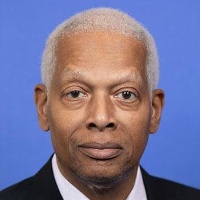
Henry Johnson
Representative
GA
Henry Johnson
Representative
GA
This resolution expresses the sense of the House of Representatives honoring the life and legacy of Nelson Mandela. It recognizes his pivotal role in ending apartheid in South Africa through nonviolent resistance and reconciliation. The bill supports the international observance of Nelson Mandela International Day as a time for reflection on peace, tolerance, and human rights.
This bill prohibits U.S. Immigration and Customs Enforcement (ICE) from using federal funds to detain or transport U.S. citizens during civil immigration enforcement activities.
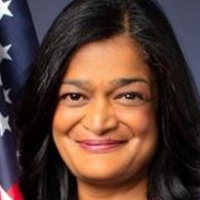
Pramila Jayapal
Representative
WA
Pramila Jayapal
Representative
WA
The Stop ICE from Kidnapping U.S. Citizens Act strictly prohibits U.S. Immigration and Customs Enforcement (ICE) from using any federal funds for civil immigration enforcement activities involving U.S. citizens. Specifically, this bill bans ICE from spending money to detain or transport any citizen of the United States. This measure ensures federal funds are not used to wrongfully target or remove American citizens.
This resolution urges Congress to prioritize the rapid and equitable development of solutions that address the unique health vulnerabilities of children facing extreme weather and poor air quality.
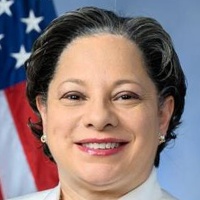
Jennifer McClellan
Representative
VA
Jennifer McClellan
Representative
VA
This resolution expresses the sense of Congress that extreme weather poses unique and severe threats to the health and well-being of children. It urges that solutions to address these escalating dangers must be rapidly and equitably developed and deployed with children's specific vulnerabilities in mind. The bill calls for prioritizing the physical and mental health needs of children in all future climate adaptation and air quality planning efforts.
This bill allows hospitals to receive conditional extra payment for using FDA-designated breakthrough medical devices sooner, provided final FDA approval is secured before July 1st of the relevant fiscal year.
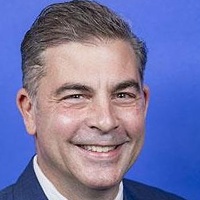
Mike Carey
Representative
OH
Mike Carey
Representative
OH
The Patient Access to Innovative New Technologies Act of 2025 aims to accelerate patient access to cutting-edge medical tools by streamlining payment for hospitals using FDA-designated breakthrough devices. This bill allows hospitals to receive conditional New Technology Add-On Payments (NTAP) sooner, provided the device receives final FDA approval before July 1st of the relevant fiscal year. This change applies to breakthrough devices designated for priority review that receive final clearance or approval on or after July 1, 2023.
This Act mandates federal standards requiring employers to implement comprehensive heat illness and injury prevention programs to protect workers from dangerous heat stress.
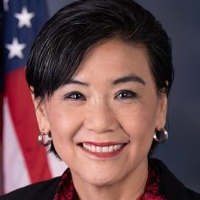
Judy Chu
Representative
CA
Judy Chu
Representative
CA
The Asunción Valdivia Heat Illness, Injury, and Fatality Prevention Act of 2025 mandates that employers protect workers from dangerous heat stress by establishing comprehensive safety standards. This Act requires the Secretary of Labor to create evidence-based rules covering engineering controls, administrative procedures, required training, and paid rest breaks to prevent heat-related illness. Furthermore, the law establishes strict enforcement mechanisms, whistleblower protections, and specific timelines for the implementation of these new federal heat protection standards.
This Act establishes increased federal research, public education, and provider information dissemination regarding uterine fibroids, with a focus on addressing racial disparities and non-hysterectomy treatment options.
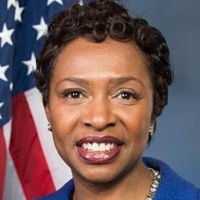
Yvette Clarke
Representative
NY
Yvette Clarke
Representative
NY
The Stephanie Tubbs Jones Uterine Fibroid Research and Education Act of 2025 aims to significantly increase federal research, public education, and provider awareness regarding uterine fibroids. The bill mandates expanded research coordination across federal agencies and authorizes funding to study the condition, which disproportionately affects minority women. It also requires the creation of public awareness campaigns detailing non-hysterectomy treatment options and mandates data collection on Medicaid/CHIP spending for fibroid treatments.
This comprehensive act establishes federal entitlements and grants to ensure access to affordable, high-quality child care and universal preschool for young children while significantly increasing compensation for early childhood educators.
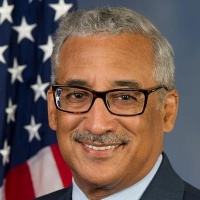
Robert Scott
Representative
VA
Robert Scott
Representative
VA
The Child Care for Working Families Act establishes comprehensive federal programs to ensure access to high-quality, affordable child care and universal preschool for young children. The legislation creates an entitlement program for child care, mandates that provider reimbursement rates cover actual costs and ensure living wages for staff, and establishes free, universal preschool for 3- and 4-year-olds. Additionally, it provides dedicated funding to stabilize childcare providers and extend the operating hours and compensation for Head Start staff.
This resolution officially honors the victims of the 1967 Newark riots and acknowledges their enduring impact on the community and the national conversation on inequality.
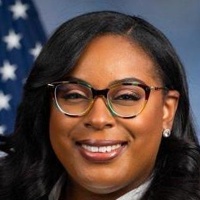
LaMonica McIver
Representative
NJ
LaMonica McIver
Representative
NJ
This resolution officially honors the memory of the victims of the 1967 Newark riots and acknowledges the enduring impact of the civil unrest on the community. It recognizes the historical context, causes, and consequences of the events, including systemic inequality and police misconduct. Furthermore, the resolution commits to supporting ongoing efforts to address racial and economic disparities to prevent future unrest.
This resolution formally recognizes the significant and persistent wage gap disproportionately affecting Black women in the United States.
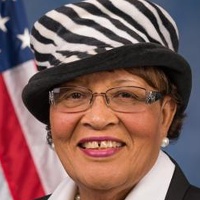
Alma Adams
Representative
NC
Alma Adams
Representative
NC
This resolution formally recognizes the significant and persistent wage disparity faced by Black women in the United States. It highlights that despite existing equal pay laws, Black women earn substantially less than their male counterparts, leading to massive lifetime earnings losses. Congress uses this measure to emphasize the urgent need to address both racial and gender discrimination to achieve true pay equity.
This bill amends the Family and Medical Leave Act to allow spouses of active duty service members to qualify for leave after only 90 days of employment with their current employer.
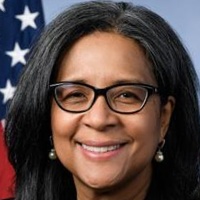
Marilyn Strickland
Representative
WA
Marilyn Strickland
Representative
WA
This bill amends the Family and Medical Leave Act (FMLA) to lower the eligibility requirements for spouses of active duty service members. It reduces the required length of employment from 12 months to just 90 days for these military spouses to qualify for job-protected leave. This change ensures military families can access necessary leave more quickly during active duty periods.
This resolution expresses support for designating July 10th as Journeyman Lineworkers Recognition Day to honor the dangerous and essential service provided by these workers, especially during crises.

Linda Sánchez
Representative
CA
Linda Sánchez
Representative
CA
This resolution expresses support for designating July 10th as Journeyman Lineworkers Recognition Day. It honors the essential and dangerous work performed by these skilled professionals, especially their heroic efforts in restoring power after major disasters. The day serves to recognize their service and remember those who have lost their lives performing this vital work.
This resolution affirms that diversity, equity, inclusion, and accessibility are fundamental U.S. values necessary to combat persistent discrimination across all sectors of American life.
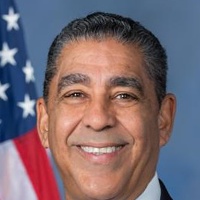
Adriano Espaillat
Representative
NY
Adriano Espaillat
Representative
NY
This resolution affirms that diversity, equity, inclusion, and accessibility (DEIA) are fundamental American values necessary to combat persistent discrimination across society. It details how systemic barriers in housing, wealth, healthcare, education, and employment negatively impact marginalized groups. Ultimately, the bill encourages all sectors to actively pursue DEIA initiatives as a means to strengthen the economy and ensure equal opportunity for all citizens.