Legislative Activity
Track Lisa's sponsored bills, co-sponsored legislation, and voting record
The RESULTS Act of 2026 establishes a competitive grant program to help states modernize and integrate longitudinal data systems that connect early childhood education, K-12, postsecondary, and workforce data to improve decision-making and employment outcomes.
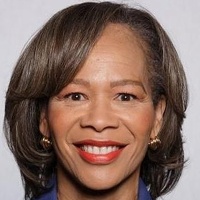
Lisa Blunt Rochester
Senator
DE
Lisa Blunt Rochester
Senator
DE
The RESULTS Act of 2026 establishes a competitive grant program to help states modernize and integrate their longitudinal data systems, connecting information from early childhood education through workforce training and employment. By fostering secure, cross-sector data collaboration, the bill aims to provide policymakers, educators, and the public with the insights needed to improve educational outcomes and career readiness. Additionally, the legislation enhances state access to national employment data to better track and report on workforce development performance.
The FLOOD Act expands the Emergency Watershed Protection Program to provide farmers with greater support and resources for disaster recovery.
Lisa Blunt Rochester
Senator
DE
Lisa Blunt Rochester
Senator
DE
The Farmers Lifeline Options for Overcoming Disasters (FLOOD) Act expands the scope of the Emergency Watershed Program. By incorporating emergency watershed protection measures, the bill enhances the resources available to help farmers and communities recover from natural disasters.
This resolution recognizes July 21, 2026, as Black Women’s Equal Pay Day to highlight the persistent wage gap and reaffirm a commitment to achieving pay equity.
Lisa Blunt Rochester
Senator
DE
Lisa Blunt Rochester
Senator
DE
This resolution recognizes July 21, 2026, as Black Women’s Equal Pay Day to highlight the persistent and significant wage gap between Black women and white, non-Hispanic men. It details the economic impact of this disparity and reaffirms Congress's commitment to achieving pay equity through systemic change.
The Expanding AI Voices Act directs the National Science Foundation to provide competitive grants to under-resourced and minority-serving institutions to strengthen national capacity, education, and workforce development in artificial intelligence.
Lisa Blunt Rochester
Senator
DE
Lisa Blunt Rochester
Senator
DE
The Expanding AI Voices Act directs the National Science Foundation to provide competitive grants to institutions with limited AI research capacity, including minority-serving institutions and smaller colleges. This initiative aims to broaden participation in the AI workforce, strengthen research partnerships, and expand educational opportunities across diverse geographic regions.
The Medicare Cost Cap Act of 2026 establishes an annual out-of-pocket spending limit for Medicare beneficiaries and expands eligibility for low-income assistance programs by simplifying enrollment and removing asset tests.
Lisa Blunt Rochester
Senator
DE
Lisa Blunt Rochester
Senator
DE
The Medicare Cost Cap Act of 2026 establishes a new annual out-of-pocket spending limit for Medicare Part A and Part B beneficiaries, ensuring that seniors and individuals with disabilities are protected from catastrophic healthcare costs. Additionally, the bill expands access to low-income assistance programs by eliminating asset tests, raising income eligibility thresholds, and streamlining the enrollment process between Medicare and Medicaid.
The Food Assurance and Security Act establishes an interagency program to standardize the annual collection, analysis, and public reporting of data regarding food insecurity and hunger in the United States.
Lisa Blunt Rochester
Senator
DE
Lisa Blunt Rochester
Senator
DE
The Food Assurance and Security Act establishes a formal interagency program to improve the collection, analysis, and reporting of national food insecurity data. By mandating a standardized food security supplement within the Current Population Survey, the bill ensures consistent tracking of hunger across American households. The findings will be published in an annual public report to Congress to better inform policy and address food access challenges.
This act directs the HHS Secretary to issue guidance on Medicaid/CHIP coverage for postpartum pelvic health services and establishes a national education campaign to improve awareness and access to these essential services.
Lisa Blunt Rochester
Senator
DE
Lisa Blunt Rochester
Senator
DE
The Optimizing Postpartum Outcomes Act of 2026 aims to improve postpartum care by requiring the HHS Secretary to issue guidance on Medicaid/CHIP coverage for pelvic health services. The bill also mandates a study on existing coverage gaps for postpartum women under Medicaid. Furthermore, it establishes a federally funded education and training program to inform both health professionals and new mothers about the importance and availability of pelvic floor examinations and physical therapy.
This bill establishes a demonstration project for states to test innovative Medicaid and CHIP payment models aimed at improving maternal health outcomes, especially for high-risk populations.
Lisa Blunt Rochester
Senator
DE
Lisa Blunt Rochester
Senator
DE
The IMPACT to Save Moms Act establishes a demonstration project for states to test new payment models for maternity care under Medicaid and CHIP between fiscal years 2027 and 2031. This project aims to improve maternal health outcomes, particularly for high-risk populations, by considering diverse care teams and social determinants of health. The Secretary of Health and Human Services will evaluate the project's impact and report recommendations to Congress on potential nationwide expansion.
The WELLS Act mandates specific discharge planning for pregnant patients in Medicare-participating hospitals and establishes grants and research initiatives to improve rural maternal and obstetric care training.
Lisa Blunt Rochester
Senator
DE
Lisa Blunt Rochester
Senator
DE
The WELLS Act focuses on improving maternal health and safety across several fronts. It mandates that Medicare-participating hospitals develop specific discharge plans for pregnant individuals expected to deliver before leaving the facility. Additionally, the bill establishes new performance milestones and reporting requirements for rural maternal and obstetric care training grants. Finally, it creates a multi-center initiative to rigorously evaluate different healthcare training models and mandates a public maternal health dashboard.
This Act establishes programs and funding to support permanently affordable homeownership opportunities for low- and moderate-income households through community land trusts and shared equity models.
Lisa Blunt Rochester
Senator
DE
Lisa Blunt Rochester
Senator
DE
The Permanent Housing Affordability Act aims to support permanently affordable homeownership for low- and moderate-income households. It establishes a Lasting Home Affordability Fund to provide low-interest construction loans for shared equity housing projects. The bill also creates a HUD pilot program for grants to acquire land and build affordable homes, alongside funding research and public awareness campaigns on community land trusts and shared equity models. Finally, it amends federal law to allow surplus federal land to be transferred to these affordable housing models at a significant discount.
This joint resolution disapproves and nullifies the Consumer Financial Protection Bureau's rule concerning Fair Credit Reporting and background screening.
Lisa Blunt Rochester
Senator
DE
Lisa Blunt Rochester
Senator
DE
This joint resolution seeks to disapprove and nullify a recent rule issued by the Consumer Financial Protection Bureau (CFPB) concerning Fair Credit Reporting and background screening. By utilizing the Congressional Review Act, this action prevents the CFPB's January 2024 regulation from taking effect.
This act reauthorizes the Delaware River Basin Conservation Program through 2033, formally includes Maryland in the program, and prioritizes grant funding for small, rural, and disadvantaged communities.
Lisa Blunt Rochester
Senator
DE
Lisa Blunt Rochester
Senator
DE
The Delaware River Basin Restoration Program Reauthorization Act of 2026 extends the program’s authorization through 2033 and formally expands its scope to include Maryland. The bill also introduces new grant priorities to better support projects serving small, rural, and disadvantaged communities within the basin.
The Rental Housing Investment Act provides tax incentives for long-term residential rental housing by allowing taxpayers to claim an immediate depreciation deduction for qualifying new rental properties.
Lisa Blunt Rochester
Senator
DE
Lisa Blunt Rochester
Senator
DE
The Rental Housing Investment Act incentivizes the development of long-term residential rental housing by allowing taxpayers to claim an immediate, significant depreciation deduction for qualifying properties. The bill provides enhanced tax benefits for projects that meet specific affordable housing requirements. To ensure long-term commitment, the legislation includes recapture provisions that require taxpayers to repay these benefits if the property stops serving as residential or affordable housing within a set timeframe.
This resolution establishes a week in February to recognize and celebrate the vital contributions of Career and Technical Education educators and work-based learning coordinators.
Lisa Blunt Rochester
Senator
DE
Lisa Blunt Rochester
Senator
DE
This resolution establishes the first full week of February each year as "Career and Technical Education Educator and Work-Based Learning Coordinator Appreciation Week." It recognizes the vital role these educators play in preparing students for the workforce and supporting critical economic sectors. The bill calls upon the President and local entities to observe this week with appropriate ceremonies.
This resolution honors the life, service, and ultimate sacrifice of Delaware State Police Corporal Grade One Matthew T. "Ty" Snook.
Lisa Blunt Rochester
Senator
DE
Lisa Blunt Rochester
Senator
DE
This resolution honors the life and dedicated service of Delaware State Police Corporal Grade One Matthew T. "Ty" Snook. It memorializes his heroic sacrifice made in the line of duty on December 23, 2025, while protecting the public. The resolution expresses deep condolences to his family and reaffirms support for law enforcement.
This Act establishes Transportation Demand Management strategies as eligible for federal funding and creates a dedicated $20 million set-aside to improve rural transportation efficiency.
Lisa Blunt Rochester
Senator
DE
Lisa Blunt Rochester
Senator
DE
The Maximizing Transportation Efficiency Act aims to boost the efficiency of existing infrastructure by formally defining and promoting Transportation Demand Management (TDM) strategies nationwide. The bill makes TDM projects eligible for several major federal transportation grant programs to reduce congestion and improve mobility. Furthermore, it establishes a dedicated $20 million annual funding set-aside specifically to develop and implement TDM strategies in underserved rural communities. Finally, the act expands eligibility for the congestion relief program and creates a new set-aside for smaller congestion relief projects.
The PATH to Education Act establishes a new federal grant program to fund public transit improvements that increase access for students attending community colleges and other eligible institutions, as well as for families accessing Head Start programs.
Lisa Blunt Rochester
Senator
DE
Lisa Blunt Rochester
Senator
DE
The PATH to Education Act establishes new federal grants to improve public transit access for students attending community colleges, technical schools, and minority-serving institutions, as well as for families using Head Start programs. These grants fund transportation improvements like new routes, increased frequency, or service adjustments near partner educational facilities. Priority is given to partnerships serving institutions with high Pell Grant recipient populations.
This bill extends and reforms federal transportation financing programs (TIFIA and RRIF) to accelerate the development of housing, especially affordable housing, near transit hubs.
Lisa Blunt Rochester
Senator
DE
Lisa Blunt Rochester
Senator
DE
The Build Housing, Unlock Benefits and Services Act, or Build HUBS Act, aims to address the housing crisis by streamlining federal financing for housing development near transit. It extends and reforms the TIFIA and RRIF loan programs to encourage transit-oriented development, especially for attainable housing. Key changes include creating alternative creditworthiness assessments and establishing delegated loan processing systems to speed up approvals. The bill explicitly preserves all existing state and local zoning and land use laws.
This act reauthorizes and extends funding for federal programs supporting the resilience and sustainability of both clean water and drinking water infrastructure through fiscal year 2031.
Lisa Blunt Rochester
Senator
DE
Lisa Blunt Rochester
Senator
DE
The Water Infrastructure Resilience and Sustainability Act of 2026 focuses on securing the nation's water systems. This legislation reauthorizes and extends critical federal programs dedicated to improving the resilience and sustainability of both clean water and drinking water infrastructure through fiscal year 2031. It specifically ensures continued funding for programs supporting clean water systems and those serving midsize and large drinking water systems.
This bill, the Public Health Air Quality Act of 2025, mandates expanded air monitoring, increased public data access, and stricter reporting requirements for industrial facilities emitting hazardous air pollutants to protect public health.
Lisa Blunt Rochester
Senator
DE
Lisa Blunt Rochester
Senator
DE
This bill, the Public Health Air Quality Act of 2025, significantly expands air quality monitoring to protect public health, especially in affected communities. It mandates new fenceline and ambient air monitoring for hazardous air pollutants at industrial facilities, requiring real-time data submission and public access. The Act also strengthens the national air quality monitoring network and deploys thousands of low-cost community air quality systems. Finally, it requires updated reporting rules for industrial hazardous air pollutant and PFAS emissions.