Legislation
The Filer Voter Act requires tax return preparers to provide their clients with accessible voter registration forms or online registration links.
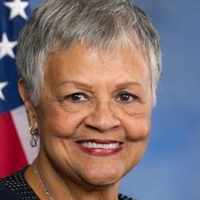
Bonnie Watson Coleman
Representative
NJ
Bonnie Watson Coleman
Representative
NJ
The Filer Voter Act requires professional tax preparers to provide their clients with easy access to voter registration forms. By integrating these resources into both in-person and online tax services, the bill aims to increase civic participation during the tax filing process.
The SECURE Health Act establishes a comprehensive U.S. strategy to strengthen, expand, and sustain the global health workforce through improved coordination, dedicated leadership, and increased accountability in international health investments.
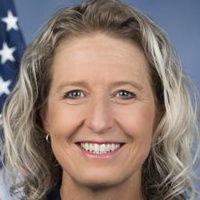
Jennifer Kiggans
Representative
VA
Jennifer Kiggans
Representative
VA
The SECURE Health Act aims to strengthen the global health workforce by establishing a comprehensive strategy to train, support, and protect frontline health workers worldwide. The bill creates a new Global Health Workforce Coordinator and an interagency task force to oversee federal investments and ensure sustainable, integrated funding for global health initiatives. By addressing critical staffing shortages, this legislation seeks to improve international health outcomes, enhance global security, and bolster the stability of the U.S. healthcare system.
The Forever Chemical Regulation and Accountability Act of 2026 establishes a comprehensive framework to phase out nonessential PFAS, mandate corporate transparency, and strengthen legal protections for communities impacted by toxic chemical exposure.
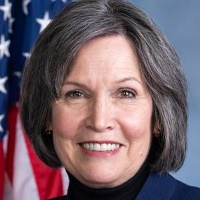
Betty McCollum
Representative
MN
Betty McCollum
Representative
MN
The Forever Chemical Regulation and Accountability Act of 2026 establishes a comprehensive framework to phase out nonessential PFAS ("forever chemicals") from consumer products and industrial processes within a decade. The legislation mandates strict reporting and environmental release standards, while enhancing public health protections through new research initiatives and expanded legal avenues for communities to seek accountability.
The Rural Utilities Service Modernization Act improves the efficiency and accessibility of rural infrastructure projects by establishing a centralized digital tracking platform, providing predevelopment planning grants, and streamlining the grant application process.
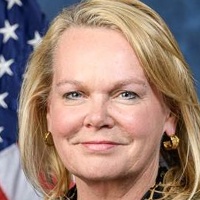
April McClain Delaney
Representative
MD
April McClain Delaney
Representative
MD
The Rural Utilities Service Modernization Act aims to improve the efficiency and transparency of federal assistance for rural infrastructure projects. The bill mandates the creation of a centralized online platform for project tracking, establishes new grants for early-stage project planning, and requires the implementation of predictable, standardized timelines for grant applications. Additionally, it directs the USDA to modernize its administrative processes and report to Congress on strategies to further expedite service delivery to rural communities.
This bill authorizes the Treasury Secretary to establish temporary, emergency programs for the FDIC and NCUA to provide full insurance coverage for non-interest-bearing transaction accounts during periods of systemic financial stress.
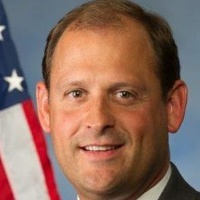
Garland Barr
Representative
KY
Garland Barr
Representative
KY
This bill authorizes the Treasury Secretary to establish temporary, emergency programs that provide full insurance for non-interest-bearing transaction accounts at banks and credit unions during periods of systemic financial stress. These programs are designed to stabilize the financial system by mitigating the risk of deposit flight. To ensure accountability, the legislation mandates strict oversight, reporting requirements, and a mechanism for recovering any program losses through special industry assessments.
The Workforce Data Quality Initiative Act of 2026 establishes a grant program to help states develop and improve longitudinal data systems for enhanced workforce reporting, transparency, and evidence-based decision-making.
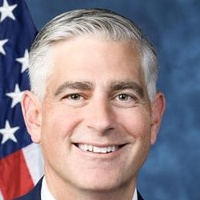
Michael Baumgartner
Representative
WA
Michael Baumgartner
Representative
WA
The Workforce Data Quality Initiative Act of 2026 establishes a grant program to help states develop and enhance longitudinal data systems for workforce development. These grants aim to improve data accuracy, transparency, and interoperability to better track labor market trends and program outcomes. By supporting state capacity and data security, the initiative helps policymakers and the public make more informed decisions regarding employment and training.
The Fair Prices for Local Businesses Act amends the Clayton Act to strengthen anti-price discrimination protections and enhance enforcement mechanisms for small businesses against unfair market practices.
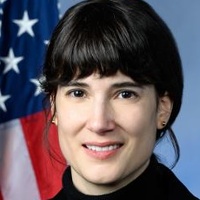
Marie Gluesenkamp Perez
Representative
WA
Marie Gluesenkamp Perez
Representative
WA
The Fair Prices for Local Businesses Act amends the Clayton Act to strengthen anti-price discrimination protections for small businesses. By expanding the law to include services and removing certain legal loopholes, the bill makes it easier for smaller retailers to challenge unfair pricing practices. Additionally, it streamlines the enforcement process by establishing a clear presumption of injury for victims of discriminatory pricing.
This bill prohibits individuals responsible for severe violations of religious freedom from entering the United States and mandates the public disclosure of their identities.
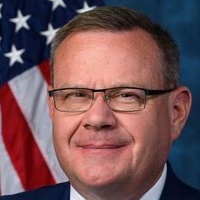
Tim Moore
Representative
NC
Tim Moore
Representative
NC
The Banning Perpetrators of Religious Persecution Act of 2026 restricts foreign individuals who have committed severe violations of religious freedom from entering the United States. The bill mandates that the State Department maintain a public list of these inadmissible individuals, ensuring transparency regarding those responsible for religious persecution. Exceptions to this public disclosure may be granted by the Secretary of State only when necessary to protect U.S. foreign policy interests.
The HELP Act of 2026 establishes a national eviction database, provides grants for tenant legal assistance, limits the reporting of eviction data in consumer credit reports, and creates a national hotline to support tenants in federally assisted housing.
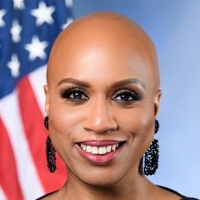
Ayanna Pressley
Representative
MA
Ayanna Pressley
Representative
MA
The HELP Act of 2026 aims to reduce housing instability by establishing a national eviction database and a grant program to provide free legal assistance to low-income tenants. The bill also enhances tenant protections by creating a national eviction assistance hotline and requiring landlords to provide clear information regarding eviction rights. Additionally, it amends the Fair Credit Reporting Act to restrict the inclusion of eviction and rental debt information in consumer reports.
The A Stronger Workforce for America Act of 2026 modernizes the national workforce development system by expanding skills training, integrating adult education with job readiness, and strengthening employer partnerships to better prepare workers for a competitive, technology-driven economy.
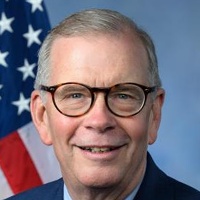
Tim Walberg
Representative
MI
Tim Walberg
Representative
MI
The **Stronger Workforce for America Act of 2026** modernizes the nation’s workforce development system by aligning job training with current economic demands, including digital and AI literacy. The legislation strengthens employer partnerships, enhances performance accountability, and expands access to training for youth, dislocated workers, and individuals with disabilities. By shifting adult education oversight to the Department of Labor and streamlining data systems, the bill aims to create a more data-driven, efficient, and inclusive path to competitive employment.
The Critical Industry Skills Act amends the Workforce Innovation and Opportunity Act to provide states with greater flexibility in funding workforce development, establishing performance-based incentive payments and new grant programs to support industry-specific skills training and career pathways.
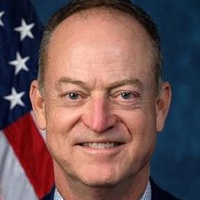
Mark Messmer
Representative
IN
Mark Messmer
Representative
IN
The Critical Industry Skills Act amends the Workforce Innovation and Opportunity Act to provide states with greater flexibility in funding workforce development and training programs. The bill establishes new state-level funds to support industry-specific skills training, sector partnerships, and career pathways. Additionally, it introduces performance-based incentives for local areas and expands the scope of allowable statewide employment and training activities to better meet regional labor market needs.
The SCHEDULES Act of 2026 mandates that the VA establish and publicly report on standardized timelines for veteran appointment scheduling to ensure timely access to both internal and community care.
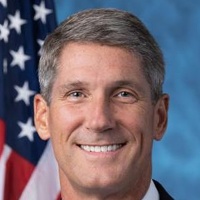
C. Franklin
Representative
FL
C. Franklin
Representative
FL
The SCHEDULES Act of 2026 mandates that the Department of Veterans Affairs establish and publish a clear, comprehensive standard for the maximum allowable wait time between a medical referral and an appointment. To ensure accountability, the bill requires the VA to submit quarterly and annual reports to Congress detailing facility performance, national rankings, and ongoing efforts to improve timely access to care.
This bill mandates that community health centers provide behavioral, mental health, and substance use disorder services, supported by $700 million in annual funding from 2027 through 2031.
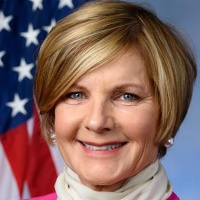
Susie Lee
Representative
NV
Susie Lee
Representative
NV
This bill amends the Public Health Service Act to mandate that all community health centers provide behavioral, mental health, and substance use disorder services. To support this expansion, the legislation authorizes $700 million in annual funding from 2027 through 2031 to ensure these essential services are accessible to the public.
The Tribal Roads Improvement Act aims to enhance infrastructure on Tribal lands by removing funding limitations for road grading and mandating a study on the long-term impacts of these improvements.
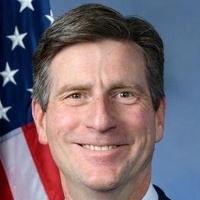
Greg Stanton
Representative
AZ
Greg Stanton
Representative
AZ
The Tribal Roads Improvement Act aims to address the critical state of infrastructure on Tribal lands by removing restrictive funding limitations on road grading projects. By providing Tribal governments with greater flexibility and resources, the bill seeks to improve road safety, emergency response times, and access to essential services. Additionally, the legislation mandates a comprehensive study to evaluate the long-term impact of these changes on Tribal economic development and infrastructure quality.
The Taxpayer Advocate Continuity Act ensures the IRS can continue providing essential relief to taxpayers facing financial hardship during government shutdowns.
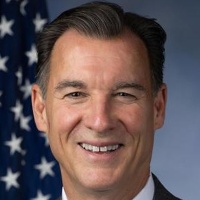
Thomas Suozzi
Representative
NY
Thomas Suozzi
Representative
NY
The Taxpayer Advocate Continuity Act ensures that the IRS can continue providing critical assistance to taxpayers facing severe financial hardship during a government shutdown. By authorizing the IRS Commissioner and the Taxpayer Advocate to spend necessary funds despite a lapse in appropriations, the bill guarantees that essential taxpayer protections and assistance orders remain operational during budget impasses.
The OHH SNAP Act of 2026 expands Supplemental Nutrition Assistance Program (SNAP) eligibility for college students by adjusting financial aid criteria and modifying work requirement exemptions.
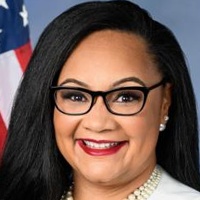
Nikema Williams
Representative
GA
Nikema Williams
Representative
GA
The OHH SNAP Act of 2026 aims to reduce food insecurity among college students by expanding eligibility for the Supplemental Nutrition Assistance Program (SNAP). The bill simplifies access for students with a $0 or less student aid index and those classified as independent, while also streamlining work requirement exemptions. These changes are designed to ensure that more students in higher education can access essential nutritional support.
This bill reauthorizes the school-based health centers grant program with $55 million in annual funding from 2027 through 2031.
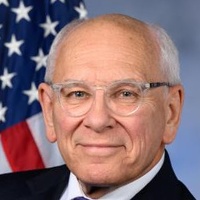
Paul Tonko
Representative
NY
Paul Tonko
Representative
NY
This bill amends the Public Health Service Act to reauthorize the school-based health centers grant program. It secures $55 million in annual funding for these centers from fiscal years 2027 through 2031 to support continued student access to essential health services.
The BLOCK PUTIN Act mandates U.S. sanctions against senior Hungarian officials who obstruct aid to Ukraine or facilitate the continued import of Russian energy.

Marcy Kaptur
Representative
OH
Marcy Kaptur
Representative
OH
The BLOCK PUTIN Act mandates U.S. sanctions against senior Hungarian government officials who obstruct financial or security aid to Ukraine or facilitate the import of Russian energy. The legislation aims to hold Hungary accountable for undermining national security interests and requires the government to diversify its energy sources away from Russia. Additionally, the bill mandates a formal report on any U.S. government actions that have previously facilitated Hungarian purchases of Russian oil and gas.
This bill mandates that House members personally reimburse the Treasury for sexual harassment settlements and requires them to publicly disclose the details of these payments before the House.
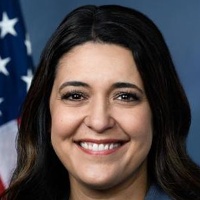
Stephanie Bice
Representative
OK
Stephanie Bice
Representative
OK
This bill mandates that House Members, Delegates, and Resident Commissioners personally reimburse the U.S. Treasury for any sexual harassment settlements or awards paid on their behalf. It establishes a strict 90-day repayment timeline and enforces transparency by requiring Members to appear before the House for a public disclosure of the claim. Failure to comply with these reimbursement or disclosure requirements results in significant penalties, including the suspension of official duties for current Members and the loss of floor privileges for former Members.
The American Security Robotics Act of 2026 prohibits federal agencies from procuring or operating unmanned ground vehicle systems manufactured by entities from designated foreign nations to protect national security.
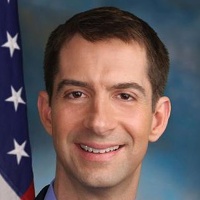
Tom Cotton
Senator
AR
Tom Cotton
Senator
AR
The American Security Robotics Act of 2026 prohibits federal agencies from purchasing or operating unmanned ground vehicle systems manufactured by entities linked to specific foreign nations. This legislation aims to strengthen national security by restricting the use of foreign-made robotics in federal operations and federally funded projects. Limited exemptions are provided for critical national security, research, and investigative purposes.