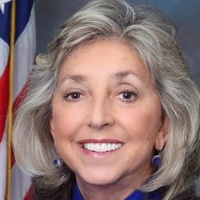
Legislative Activity
Track Dina's sponsored bills, co-sponsored legislation, and voting record
This resolution commemorates Jimmy Lai's birthday as "Jimmy Lai Day" while condemning the suppression of democracy in Hong Kong and calling for the release of all political prisoners.

John Moolenaar
Representative
MI
John Moolenaar
Representative
MI
This resolution designates December 8, 2025, as "Jimmy Lai Day" to honor his advocacy for press freedom, religious freedom, and democracy in Hong Kong. It condemns the actions of the People's Republic of China and Hong Kong authorities for suppressing fundamental freedoms and calls for the immediate release of Jimmy Lai and all unjustly imprisoned pro-democracy advocates.
This resolution reaffirms U.S. partnership with Honduras to counter narcotics while strongly condemning the pardon of former Honduran President Juan Orlando Hernández following his conviction on drug trafficking charges.
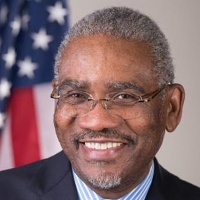
Gregory Meeks
Representative
NY
Gregory Meeks
Representative
NY
This resolution reaffirms the U.S. commitment to partnering with Honduras on security and counter-narcotics efforts while strongly condemning the pardon of former President Juan Orlando Hernández. It highlights Hernández's conviction for drug trafficking and argues that the pardon undermines U.S. anti-corruption efforts and justice for victims. The resolution also urges continued cooperation with Honduras on fair elections, security, and development, while rejecting unauthorized military force.
This bill repeals harmful provisions of a previous act, exempts unaccompanied children from various immigration fees, and restricts the use of their sponsor information for enforcement purposes.

Dan Goldman
Representative
NY
Dan Goldman
Representative
NY
The Upholding Protections for Unaccompanied Children Act of 2025 seeks to reverse harmful provisions affecting unaccompanied children. This bill eliminates various immigration-related fees for current and former unaccompanied children, including those for asylum and employment authorization. It also prohibits physically intrusive medical examinations and restricts the sharing of sponsor information with immigration enforcement agencies. Furthermore, the Act mandates the refunding of previously paid fees.
The Dignity for Detained Immigrants Act establishes comprehensive standards, rigorous oversight, and new custody procedures to ensure humane treatment and due process for all noncitizens detained by the Department of Homeland Security, while phasing out for-profit detention facilities.

Pramila Jayapal
Representative
WA
Pramila Jayapal
Representative
WA
The Dignity for Detained Immigrants Act aims to overhaul immigration detention by establishing mandatory, high standards based on ABA guidelines and increasing transparency through rigorous, unannounced inspections. The bill prohibits the use of private, for-profit detention facilities within three years and ends the mandatory detention of most noncitizens, prioritizing release or community-based alternatives. Furthermore, it establishes new due process rights, including timely custody hearings, a presumption of release, and prohibitions on detaining children or using solitary confinement.
This Act establishes a "Mega-Decade Sports Diplomacy Strategy" to leverage major U.S.-hosted sporting events between 2024 and 2034 to enhance America's global standing and diplomatic ties through a newly established Office of Sports Diplomacy.
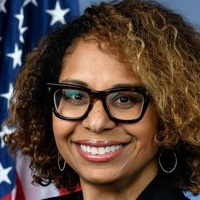
Sydney Kamlager-Dove
Representative
CA
Sydney Kamlager-Dove
Representative
CA
The American Decade of Sports Act establishes a "Mega-Decade Sports Diplomacy Strategy" to leverage major international sporting events hosted in the U.S. between 2024 and 2034 to enhance America's global standing. This requires the State Department to create comprehensive 5-year plans detailing diplomatic goals, partnerships, and visa facilitation efforts. Furthermore, the Act mandates the creation of a dedicated Office of Sports Diplomacy to coordinate and execute these strategy objectives across government and private sectors. The Secretary of State must provide annual progress reports to Congress on the implementation of these goals until the end of 2034.
This act increases funding and the average cost limit for the Weatherization Assistance Program while adding a new reporting requirement on enhancement readiness to the Department of Energy's annual report.
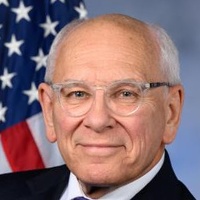
Paul Tonko
Representative
NY
Paul Tonko
Representative
NY
The Weatherization Enhancement and Readiness Act of 2025 significantly increases funding authorization for the Weatherization Assistance Program through 2030. This bill also raises the maximum average cost allowed for weatherizing a single home from $6,500 to $12,000. Finally, it mandates that the Department of Energy's annual readiness report to Congress include details on how enhancement efforts impact program eligibility.
This Act lifts the existing policy that automatically denies the export or transfer of U.S. defense articles and services to the Republic of Cyprus, provided human rights concerns are not present and the President does not intervene for national security reasons.
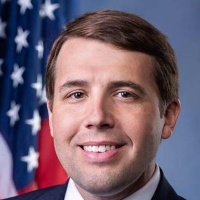
Chris Pappas
Representative
NH
Chris Pappas
Representative
NH
The End the Cyprus Embargo Act lifts the existing policy that automatically denies requests to export U.S. defense articles and services to the Republic of Cyprus. Congress finds that allowing these defense sales strengthens U.S. security interests in Europe by reducing Cyprus's reliance on other nations for military equipment. This change is contingent on Cyprus meeting certain requirements and allows the President to reinstate the denial policy temporarily for national security reasons.
This act rescinds significant immigration enforcement funding while establishing multiple new tax credits aimed at increasing housing affordability for first-time buyers, builders of starter homes, and renters, alongside incentives for converting commercial buildings into affordable housing.
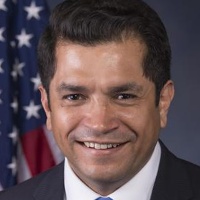
Jimmy Gomez
Representative
CA
Jimmy Gomez
Representative
CA
The Make Housing Affordable and Defend Democracy Act aims to increase housing accessibility through several tax incentives while simultaneously rescinding significant funding previously allocated for immigration enforcement. Key provisions establish new tax credits for first-time homebuyers, builders of starter homes, and the conversion of commercial buildings into affordable rentals. Additionally, the bill introduces a Renter Tax Credit for those spending over 30% of their income on rent, with an option for monthly advance payments.
This act grants non-citizens in removal proceedings the right to request and receive a virtual hearing via video or telephone conference, provided it does not prejudice their case.
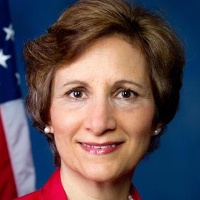
Suzanne Bonamici
Representative
OR
Suzanne Bonamici
Representative
OR
The Migrant Due Process Protection Act grants non-citizens in removal proceedings the right to request that their hearings be conducted virtually via video or telephone conference. Immigration judges are required to grant these requests, provided the virtual format does not prejudice the non-citizen's case. This legislation amends existing immigration law to expand access to remote hearings.
This act establishes a grant program to help colleges and universities create and operate dedicated Student Veteran Centers to support the academic and transitional success of student veterans.
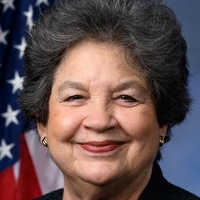
Lois Frankel
Representative
FL
Lois Frankel
Representative
FL
The Veteran Education Empowerment Act establishes a grant program to help colleges and universities create and operate dedicated Student Veteran Centers. These centers will serve as centralized hubs to coordinate academic support, transition services, and community building for student veterans. The bill authorizes funding for these grants, which can be used for establishing and operating the centers, with specific reporting requirements to track effectiveness.
This bill establishes a federal grant program to provide transportation assistance to state, local, Tribal, and territorial governments hosting major international sporting events like the Olympics and World Cup.
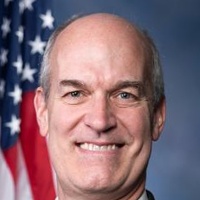
Rick Larsen
Representative
WA
Rick Larsen
Representative
WA
This bill establishes the Transportation Assistance for Olympic and World Cup Cities Act of 2025 to create a new federal grant program supporting transportation needs for hosting major international sporting events. The program provides funding to state, local, Tribal, and territorial governments for eligible transportation projects within 100 miles of the event site. It also authorizes the Secretary of Transportation to provide technical and planning assistance to ensure smooth movement of people and goods during these covered events.
This resolution celebrates the 50th anniversary of the Individuals with Disabilities Education Act (IDEA) and recognizes its profound, transformative impact on ensuring a free, appropriate public education for children with disabilities.
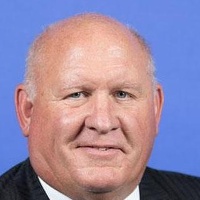
Glenn Thompson
Representative
PA
Glenn Thompson
Representative
PA
This resolution celebrates the 50th anniversary of the Individuals with Disabilities Education Act (IDEA), recognizing its landmark achievement in guaranteeing a free, appropriate public education for every child with a disability. It honors the law's transformative impact since 1975, which ensured access, protected rights, and established critical early intervention services. The resolution reaffirms the commitment to fully implementing IDEA so all students with disabilities have the opportunity to thrive.
The Mikaela Naylon Give Kids a Chance Act primarily focuses on enhancing pediatric drug research, ensuring completion of pediatric study requirements, extending incentives for rare pediatric disease treatments, and making targeted updates to FDA and organ transplant network operations.
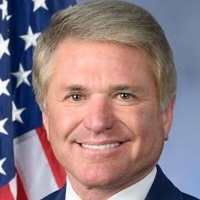
Michael McCaul
Representative
TX
Michael McCaul
Representative
TX
The Mikaela Naylon Give Kids a Chance Act focuses primarily on improving pediatric drug development and ensuring patient access to necessary treatments. This legislation mandates new research requirements for molecularly targeted pediatric cancer drugs, strengthens FDA enforcement of pediatric study completion, and extends incentives for developing drugs for rare pediatric diseases. Additionally, the bill updates organ transplant network functions and establishes an Abraham Accords Office within the FDA to enhance international regulatory cooperation.
This resolution declares that reproductive justice and immigrant justice are inseparable and calls for ending discriminatory barriers to comprehensive reproductive healthcare for all immigrants.
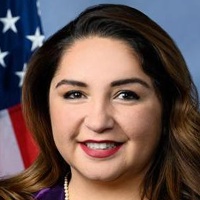
Delia Ramirez
Representative
IL
Delia Ramirez
Representative
IL
This resolution declares that immigrant justice and reproductive justice are inseparable, demanding that both movements be pursued together. It condemns systemic failures and policies that deny immigrants access to necessary reproductive health care while in custody or in the community. The resolution calls on Congress and federal agencies to eliminate barriers to health coverage and ensure equitable, comprehensive reproductive care for all individuals, regardless of immigration status.
This bill establishes eligibility criteria for federal student aid for distance education programs offered by foreign institutions, limiting distance learning components and requiring in-person attendance in the host country.
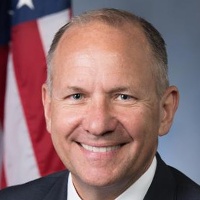
Lloyd Smucker
Representative
PA
Lloyd Smucker
Representative
PA
This act establishes the rules for foreign colleges and universities offering distance education programs to be eligible for federal student aid. Eligibility is limited to programs where distance education makes up no more than 12.5% of the coursework. Furthermore, these programs must be overseen by an external entity and require students receiving federal aid to be physically present in the foreign institution's home country during instruction.
This bill repeals tariffs imposed on goods from 40 Indo-Pacific partners and allies to better counter Chinese economic coercion.
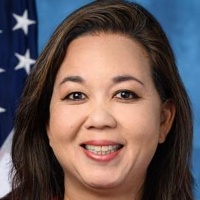
Jill Tokuda
Representative
HI
Jill Tokuda
Representative
HI
This Act, the Indo-Pacific Partner and Ally Tariff Repeal Act, terminates tariffs imposed on goods from 40 specific Indo-Pacific allies and partners. Congress finds that these tariffs undermine collective efforts against the Chinese Communist Party's coercive actions. The bill immediately repeals the tariffs established under Executive Orders 14257 and 14326.
This act establishes a \$462.5 million emergency fund to ensure SNAP benefits continue without reduction during funding shortfalls or government shutdowns, while also protecting essential program staff from furlough.
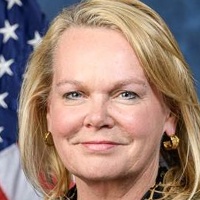
April McClain Delaney
Representative
MD
April McClain Delaney
Representative
MD
The Food Bank Emergency Support Act of 2025 establishes a \$462.5 million emergency fund to ensure the Supplemental Nutrition Assistance Program (SNAP) can continue providing full benefits during funding shortfalls or government shutdowns. These funds are specifically appropriated to prevent benefit reductions when other resources are insufficient. Furthermore, the Act ensures essential SNAP staff can continue working during a lapse in appropriations.
The LEAD Act of 2025 prohibits the use of lead ammunition on all lands and waters managed by the U.S. Fish and Wildlife Service, mandating the use of certified nonlead alternatives.
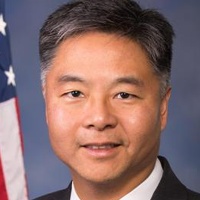
Ted Lieu
Representative
CA
Ted Lieu
Representative
CA
The LEAD Act of 2025 seeks to prohibit the use of lead ammunition on all lands and waters managed by the U.S. Fish and Wildlife Service due to documented health and environmental risks. This legislation mandates the creation of a certified list of approved nonlead ammunition alternatives for use on these federal lands. The bill establishes civil penalties for knowing violations of this new prohibition.
This Act prohibits discrimination based on religion, sex, or marital status in federally funded child welfare services to improve outcomes for all children, especially LGBTQ youth.
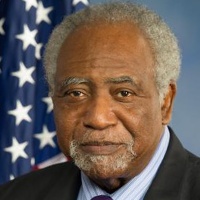
Danny Davis
Representative
IL
Danny Davis
Representative
IL
The John Lewis Every Child Deserves a Family Act prohibits discrimination based on religion, sex, or marital status in federally funded child welfare services. This aims to increase the number of stable, family-like placements for children, especially for LGBTQ youth who are overrepresented in foster care. The bill mandates federal guidance, training, and data collection to improve safety and well-being outcomes for all children involved in the system.
This bill reauthorizes and extends the funding authorization period for large-scale water recycling programs under the Infrastructure Investment and Jobs Act from five to ten years.
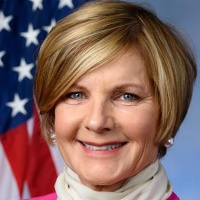
Susie Lee
Representative
NV
Susie Lee
Representative
NV
This bill, the Large-Scale Water Recycling Reauthorization Act, extends the authorization period for a key water recycling program established under the Infrastructure Investment and Jobs Act. Specifically, it doubles the program's authorization from five years to ten years. This action supports continued investment in large-scale water recycling infrastructure.