Legislative Activity
Track Mary's sponsored bills, co-sponsored legislation, and voting record
This Act establishes federal grants for states and intermediary organizations to upgrade and improve child care facilities nationwide, prioritizing safety and access for low-income children.

Katherine Clark
Representative
MA
Katherine Clark
Representative
MA
The Child Care Infrastructure Act establishes federal grants to help states upgrade and improve child care facilities nationwide, focusing on safety and capacity. This funding aims to support the building, renovation, and expansion of centers, prioritizing those serving low-income families and infants. The bill also authorizes grants to intermediary organizations to provide technical assistance and financing tools to providers. Overall, $10 billion is authorized to improve the physical infrastructure supporting early childhood education.
This Act mandates that health plans cover medically necessary treatment for congenital anomalies or birth defects affecting the eyes, ears, teeth, mouth, or jaw to restore normal function and appearance.
Neal Dunn
Representative
FL
Neal Dunn
Representative
FL
The Ensuring Lasting Smiles Act mandates that group health plans and insurance policies provide comprehensive coverage for medically necessary treatment related to congenital anomalies or birth defects affecting the eyes, ears, teeth, mouth, or jaw. This coverage must include services needed to restore normal function and appearance, including necessary dental and orthodontic support. Plans must apply cost-sharing rules no more restrictive than those for other medical benefits, excluding purely cosmetic procedures.
This Act designates Venezuela for Temporary Protected Status (TPS) for its nationals for an 18-month period, establishing eligibility requirements and a $360 application fee with a waiver option.
Darren Soto
Representative
FL
Darren Soto
Representative
FL
The Venezuela TPS Act of 2025 officially designates Venezuela for Temporary Protected Status (TPS) for an initial 18-month period. This allows eligible Venezuelan nationals who have been continuously present in the U.S. since the law's enactment to apply for TPS. The bill also outlines procedures for travel authorization and sets a $360 application fee, with provisions for fee waivers.
The Protecting our Students in Schools Act of 2025 nationwide prohibits corporal punishment in federally funded schools while establishing grants to help states implement positive behavior support systems.
Suzanne Bonamici
Representative
OR
Suzanne Bonamici
Representative
OR
The Protecting our Students in Schools Act of 2025 establishes a nationwide prohibition on corporal punishment in all federally funded educational programs. It creates strong enforcement mechanisms, allowing parents to sue and authorizing the Attorney General to intervene in cases of abuse. Furthermore, the Act establishes a grant program to incentivize states to adopt positive behavior support systems to reduce harsh disciplinary actions and improve school climate.
Violet's Law mandates that federal research facilities establish procedures to place retired dogs, cats, nonhuman primates, guinea pigs, hamsters, and rabbits with approved rescue organizations, sanctuaries, shelters, or individuals.
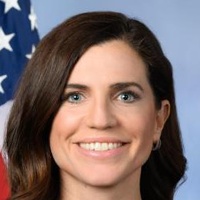
Nancy Mace
Representative
SC
Nancy Mace
Representative
SC
Violet's Law mandates that federal research facilities establish procedures to place retired research animals, including dogs, cats, and primates, into new homes. These facilities must adhere to the Animal Welfare Act standards and ensure animals are certified healthy by a veterinarian before adoption. Eligible placements include registered animal rescue organizations, sanctuaries, shelters, or private individuals.
This Act prohibits the advertising and provision of paid conversion therapy intended to change an individual's sexual orientation or gender identity, empowering the FTC and State Attorneys General to enforce these prohibitions.
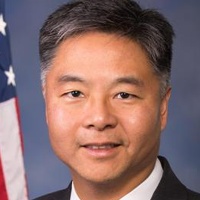
Ted Lieu
Representative
CA
Ted Lieu
Representative
CA
The Therapeutic Fraud Prevention Act of 2025 declares that practices attempting to change an individual's sexual orientation or gender identity for payment constitute an unfair and deceptive business practice. Citing professional consensus on the ineffectiveness and harm of such "conversion therapy," the bill prohibits its provision and advertising. Enforcement authority is granted to the Federal Trade Commission (FTC), and the law allows both the U.S. Attorney General and State Attorneys General to file civil actions against violators.
The VA Employee Fairness Act of 2025 streamlines collective bargaining rules for Veterans Health Administration employees by modifying existing statutes while preserving the Secretary's authority regarding incentive pay and expedited hiring.
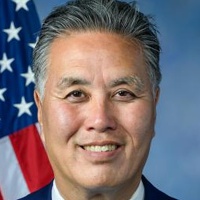
Mark Takano
Representative
CA
Mark Takano
Representative
CA
The VA Employee Fairness Act of 2025 modifies the collective bargaining rules for employees of the Veterans Health Administration (VHA) by streamlining existing statutes. This act removes outdated subsections related to bargaining and renumbers the remaining relevant section. Importantly, these changes do not affect the Secretary of Veterans Affairs' existing authority regarding incentive pay or expedited hiring processes.
This resolution condemns President Trump's attacks on the free press and reaffirms the United States' commitment to protecting freedom of the press as a cornerstone of democracy.

Steve Cohen
Representative
TN
Steve Cohen
Representative
TN
This resolution formally condemns recent actions by President Donald J. Trump that undermined the freedom of the press. It reaffirms the United States' fundamental commitment to a free and independent media as a cornerstone of democracy. The measure urges the Executive Branch to respect the role of journalism and calls for the safe release of U.S. Agency for Global Media journalists detained overseas.
This resolution supports designating the first week of April as "Adolescent Immunization Action Week" to encourage increased vaccination rates among adolescents and young adults to protect against serious illness.
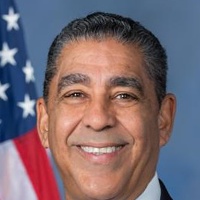
Adriano Espaillat
Representative
NY
Adriano Espaillat
Representative
NY
This resolution supports designating the first week of April as "Adolescent Immunization Action Week" to raise awareness about the importance of vaccinating adolescents and young adults. It recognizes that current vaccination rates are lagging and highlights the need to combat misinformation. The bill encourages federal, state, and local entities, along with healthcare providers, to actively promote immunization to protect the health of young people.
This resolution recognizes National Foster Care Month to highlight the challenges faced by children in the foster care system and encourages policy improvements to better their lives.
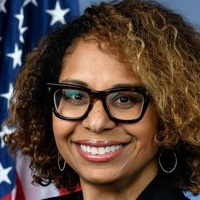
Sydney Kamlager-Dove
Representative
CA
Sydney Kamlager-Dove
Representative
CA
This resolution officially recognizes May as National Foster Care Month to raise awareness about the challenges facing children in the foster care system. It highlights the urgent need for improved policy and support to ensure every child achieves a safe, permanent, and loving family. The bill encourages greater investment in prevention services, family reunification, and support for youth aging out of care.
This act establishes research grants and training programs to develop and implement PFAS-free, next-generation turnout gear to protect firefighters from occupational illness and injury.

Debbie Dingell
Representative
MI
Debbie Dingell
Representative
MI
The PFAS Alternatives Act aims to protect firefighters by funding research and development for next-generation turnout gear that eliminates harmful PFAS chemicals. The bill establishes grants through NIOSH to create safer, PFAS-free protective equipment and separate funding for training programs on the proper care of this new gear. Ultimately, this legislation seeks to reduce occupational illness and injury among fire and EMS personnel.
This bill mandates that certain immigration officers prominently display large, visible identification during all immigration enforcement actions.
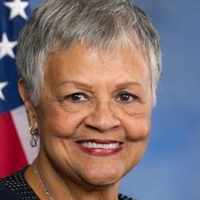
Bonnie Watson Coleman
Representative
NJ
Bonnie Watson Coleman
Representative
NJ
This bill mandates that certain immigration officers from agencies like CBP and ICE must clearly display large, highly visible identification during all enforcement actions. The identification, at least 12x6 inches, cannot be obscured by external gear like body armor. This ensures clear identification of immigration officers while they are actively carrying out their duties.
The Shipbuilding and Harbor Infrastructure for Prosperity and Security for America Act of 2025 establishes a centralized maritime authority, creates a dedicated funding trust, strengthens sealift capability, mandates increased use of U.S.-flagged vessels, invests heavily in domestic shipbuilding, and enhances workforce development and tax incentives for the maritime industry.
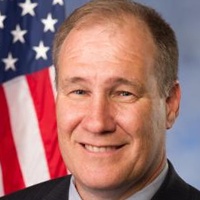
Trent Kelly
Representative
MS
Trent Kelly
Representative
MS
The **Shipbuilding and Harbor Infrastructure for Prosperity and Security for America Act of 2025** is a comprehensive bill designed to revitalize the U.S. maritime industry and secure critical supply chains. It establishes new centralized oversight for maritime policy, creates a dedicated Maritime Security Trust Fund financed by new vessel taxes, and mandates significant federal investment in domestic shipbuilding and workforce development. The legislation also imposes stricter cargo preference rules and tax incentives to ensure U.S.-flagged vessels dominate international commerce and defense sealift operations.
This Act establishes a pathway for eligible Ukrainian nationals paroled into the U.S. since February 20, 2014, to apply for lawful permanent resident status without paying application fees.
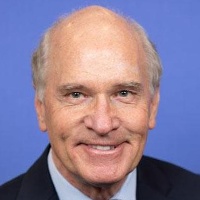
William Keating
Representative
MA
William Keating
Representative
MA
The Ukrainian Adjustment Act of 2025 establishes a pathway for eligible Ukrainian nationals, paroled into the U.S. after February 20, 2014, to apply for lawful permanent resident status (a Green Card). This process requires rigorous security vetting and allows the Secretary of Homeland Security broad waiver authority for most inadmissibility grounds, excluding certain post-2014 criminal activity. Approved applicants will have their status adjusted retroactively to their date of parole, and the application process will be fee-free.
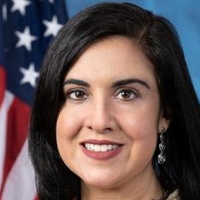
The Better CARE for Animals Act of 2025 strengthens the enforcement of the Animal Welfare Act by expanding investigative authority, establishing new civil penalties up to \$10,000 per day, and explicitly granting the Attorney General power to file civil actions, including seeking seizure and forfeiture of animals.
Nicole Malliotakis
Representative
NY
Nicole Malliotakis
Representative
NY
The Better CARE for Animals Act of 2025 significantly strengthens enforcement of the Animal Welfare Act by clarifying definitions and expanding the scope of investigations. It grants the Attorney General explicit authority to file civil actions seeking penalties up to $10,000 per day, and mandates that collected fines help cover temporary animal care costs. The bill also requires the Secretary of Agriculture and the Attorney General to establish a formal agreement for coordinated enforcement.
The FAIR Fleets Act mandates the Postal Service to modernize its vehicle fleet and establish a fair distribution plan prioritizing underserved and rural areas, supported by annual reporting to Congress.

Jim Costa
Representative
CA
Jim Costa
Representative
CA
The Fair Allocation and Improvement of Regional Fleets Act (FAIR Fleets Act) mandates that the U.S. Postal Service modernize its vehicle fleet with environmentally friendly options and ensure a fair distribution of vehicles nationwide. This law requires the USPS to prioritize underserved and rural areas when allocating its fleet resources. Furthermore, the Postal Service must submit annual reports to Congress detailing fleet locations and actions taken to improve service equity.
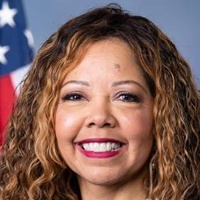
This bill bans the manufacture, sale, and transfer of specific semiautomatic assault weapons and large-capacity ammunition feeding devices while grandfathering existing possessions and establishing new transfer requirements.
Lucy McBath
Representative
GA
Lucy McBath
Representative
GA
The Assault Weapons Ban of 2025 comprehensively defines and bans the manufacture, sale, and transfer of specific semiautomatic assault weapons and large capacity ammunition feeding devices. The bill grandfathers existing weapons but imposes new requirements for their secure storage and mandates dealer involvement for future private transfers. It also allows federal grant money to be used by states for buy-back programs targeting these banned items.
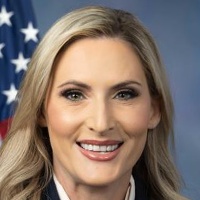
The Fresh Start Act of 2025 ties federal gun violence prevention grants to states implementing automatic criminal record expungement laws and requires detailed annual reporting on the process broken down by demographics.
Laurel Lee
Representative
FL
Laurel Lee
Representative
FL
The Fresh Start Act of 2025 incentivizes states to adopt automatic criminal record expungement laws by tying them to federal gun violence prevention grants. This legislation requires states receiving these funds to automatically clear or seal eligible criminal records without requiring individual action or payment of outstanding fees. Recipients must also annually report detailed data on the process, broken down by race, ethnicity, and gender, which the Attorney General will then make public.
This bill makes diapers a qualified medical expense for tax-advantaged accounts and prohibits state and local governments from imposing sales tax on diaper purchases.
Bonnie Watson Coleman
Representative
NJ
Bonnie Watson Coleman
Representative
NJ
The Improving Diaper Affordability Act of 2025 addresses the significant financial burden and health risks associated with diaper need for American families. This bill makes diapers a qualified expense for tax-advantaged accounts like HSAs, FSAs, and HRAs, effectively lowering the cost through pre-tax dollars. Additionally, it prohibits state and local governments from imposing retail sales or use taxes on the purchase of diapers. These measures aim to increase access to this essential item for low-income households.
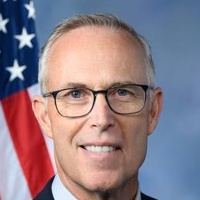
This bill repeals the Arctic National Wildlife Refuge oil and gas program and designates over 1.5 million acres of the refuge as protected wilderness.
Jared Huffman
Representative
CA
Jared Huffman
Representative
CA
The Arctic Refuge Protection Act officially repeals the previous law authorizing oil and gas leasing in the Arctic National Wildlife Refuge. This legislation simultaneously designates approximately 1.56 million acres within the Refuge as protected wilderness under the National Wilderness Preservation System. The Secretary of the Interior is now required to manage this newly designated land according to strict wilderness preservation standards.