Legislative Activity
Track Thomas's sponsored bills, co-sponsored legislation, and voting record
This bill grants the Postmaster General the authority to issue administrative subpoenas for investigations into postal-related crimes and the illegal use of the mail.
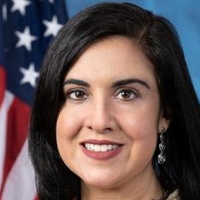
Nicole Malliotakis
Representative
NY
Nicole Malliotakis
Representative
NY
The USPS Subpoena Authority Act grants the Postmaster General the power to issue administrative subpoenas for records in investigations involving postal fraud, nonmailable matter, and the illegal use of the mail for controlled substances. This authority allows the Postal Service to compel the production of relevant evidence to strengthen its enforcement capabilities. To ensure oversight, the power to approve these subpoenas is strictly limited to high-level legal and investigative officials within the agency.
The High Rise Fire Sprinkler Incentive Act of 2025 provides tax incentives for building owners by allowing for faster depreciation of automatic fire sprinkler system retrofits in high-rise residential properties.
Nicole Malliotakis
Representative
NY
Nicole Malliotakis
Representative
NY
The High Rise Fire Sprinkler Incentive Act of 2025 encourages fire safety upgrades by allowing building owners to accelerate tax depreciation for automatic sprinkler system retrofits. This incentive applies to residential high-rise buildings over 75 feet tall that install systems meeting current National Fire Protection Association standards. By classifying these retrofits as 15-year property, the bill aims to reduce the financial burden of improving fire protection in older structures.
The Election Day Act designates Election Day as a federal legal public holiday.
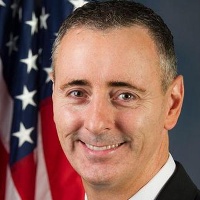
Brian Fitzpatrick
Representative
PA
Brian Fitzpatrick
Representative
PA
The Election Day Act designates Election Day as a federal legal public holiday. This change aims to increase voter participation by ensuring more citizens have the time and opportunity to cast their ballots.
This bill requires states to use independent, nonpartisan commissions for Congressional redistricting and incentivizes the use of similar commissions for state legislative districts through federal election administration funds. A commission is considered nonpartisan and independent if the number of members from the state's two largest political parties is equal and none of its members are elected officials.
Brian Fitzpatrick
Representative
PA
Brian Fitzpatrick
Representative
PA
The CLEAN Elections Act requires states to use independent, nonpartisan commissions for Congressional redistricting. States must use similar commissions for state legislative districts to access federal election administration funds. A commission is considered nonpartisan and independent if the number of members from the state's two largest political parties is equal and none of its members are elected officials.
The Prevent Family Fire Act of 2025 establishes a tax credit for businesses to incentivize the retail sale of secure firearm storage devices.
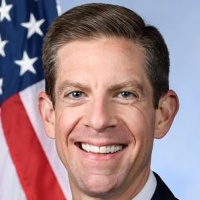
Mike Levin
Representative
CA
Mike Levin
Representative
CA
The Prevent Family Fire Act of 2025 establishes a federal tax credit for businesses to incentivize the retail sale of qualified safe firearm storage devices. By providing a credit of up to $400 per device, the bill aims to increase the accessibility and affordability of secure storage options to prevent unauthorized access to firearms. This credit remains available for qualifying sales through the end of 2032.
The "Let America Vote Act" aims to increase voter participation by requiring states to allow unaffiliated voters to participate in primary elections without being treated as party members, while also prohibiting non-citizens from voting in any election and withholding federal funds from states that allow it.
Brian Fitzpatrick
Representative
PA
Brian Fitzpatrick
Representative
PA
The "Let America Vote Act" aims to increase voter participation and prevent noncitizen voting. It mandates that states allow unaffiliated voters to participate in any primary election without being treated as party members or having their information shared and prohibits non-citizens from voting in any election. Non-compliant states risk losing federal election administration funding, while compliant states can receive transition assistance grants.