
Legislative Activity
Track Jeff's sponsored bills, co-sponsored legislation, and voting record
This bill strengthens the Community Development Financial Institutions (CDFI) Fund by improving bond guarantee programs, enhancing liquidity assistance, and establishing a new relending program to expand homeownership opportunities for Native communities.
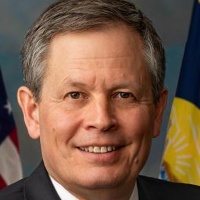
Steve Daines
Senator
MT
Steve Daines
Senator
MT
The Access to Fair Financing for Opportunity and Resilient Development Act strengthens Community Development Financial Institutions (CDFIs) by improving the bond guarantee program and establishing new liquidity and capitalization initiatives. The bill also creates a dedicated relending program to expand homeownership opportunities within Native American, Alaska Native, and Native Hawaiian communities. Additionally, it mandates increased congressional oversight and reporting regarding the effectiveness of these federal financial programs.
This bill mandates the installation of advanced situational awareness equipment at contract air traffic control towers and provides reimbursement for systems previously acquired by airport sponsors.
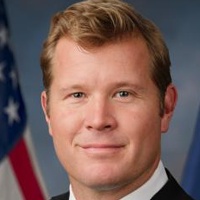
Tim Sheehy
Senator
MT
Tim Sheehy
Senator
MT
The Air Traffic Situational Awareness Enhancement Act mandates the installation of advanced situational awareness equipment at all contract air traffic control towers currently lacking these tools. The bill requires the FAA to provide comprehensive controller training and establishes a reimbursement program for airport sponsors who independently invested in certified systems prior to this legislation.
This resolution supports designating February 21-28, 2026, as National FFA Week while recognizing the organization's role in leadership development and celebrating the 50th anniversary of the Alaska State FFA Association.

Todd Young
Senator
IN
Todd Young
Senator
IN
This resolution expresses support for designating February 21-28, 2026, as "National FFA Week." It recognizes the National FFA Organization's role in developing future leaders. The resolution also celebrates the 50th anniversary of the chartering of the Alaska State FFA Association.
This resolution supports the goals of Career and Technical Education Month by recognizing its vital role in preparing a skilled workforce for in-demand careers.
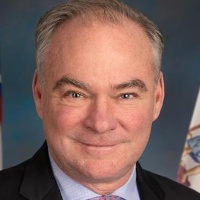
Timothy Kaine
Senator
VA
Timothy Kaine
Senator
VA
This resolution officially designates February 2026 as Career and Technical Education (CTE) Month to celebrate and support CTE programs nationwide. It recognizes CTE's vital role in preparing a skilled workforce for high-demand careers and boosting American economic competitiveness. The resolution encourages promotion of CTE as a respected educational pathway for students.
This resolution officially designates the week of February 23 through February 27, 2026, as National Public Schools Week.

Susan Collins
Senator
ME
Susan Collins
Senator
ME
This resolution officially designates the week of February 23 through February 27, 2026, as National Public Schools Week. The purpose is to recognize and celebrate the importance of public education in the United States during that specific timeframe.
The Living Donor Protection Act of 2025 prohibits insurance discrimination against living organ donors and guarantees job-protected leave for those undergoing donation surgery.

Tom Cotton
Senator
AR
Tom Cotton
Senator
AR
The Living Donor Protection Act of 2025 prohibits insurance companies from discriminating against living organ donors regarding life, disability, or long-term care coverage. The bill also amends the Family and Medical Leave Act (FMLA) to explicitly classify organ donation surgery as a serious health condition, ensuring job-protected leave for donors. Additionally, it mandates that the Department of Health and Human Services update public educational materials to reflect these new protections and the realities of organ donation.
The Direct File Act of 2026 establishes a permanent, free, government-operated online tax filing system while prohibiting agreements that restrict the IRS from providing direct tax preparation services.
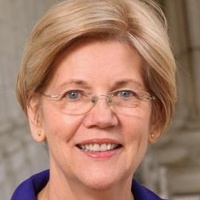
Elizabeth Warren
Senator
MA
Elizabeth Warren
Senator
MA
The Direct File Act of 2026 establishes a permanent, free, and user-friendly online tax filing program operated directly by the IRS. The bill prohibits the Treasury from entering into agreements that restrict government-provided filing services and mandates the development of a seamless, accessible platform for federal and state tax returns. This initiative aims to simplify the filing process for taxpayers while ensuring the government maintains full control over its own tax preparation software.
The Homes for American Families Act prohibits large financial entities and investment firms from purchasing single-family residential real estate to prevent anti-competitive practices in the housing market.
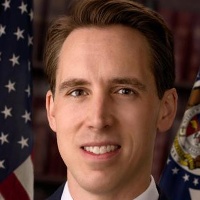
Joshua Hawley
Senator
MO
Joshua Hawley
Senator
MO
The Homes for American Families Act seeks to increase housing affordability by prohibiting large financial entities, such as investment firms and insurance companies, from purchasing single-family homes and residential properties. By classifying these acquisitions as antitrust violations, the bill aims to prevent institutional investors from monopolizing local housing markets. The legislation also directs the Department of Justice to prioritize enforcement against anticompetitive practices like price-fixing and coordinated vacancy strategies.
The TAP Promotion Act mandates a standardized presentation on veterans' benefits within the Transition Assistance Program to better inform service members about available resources and support.
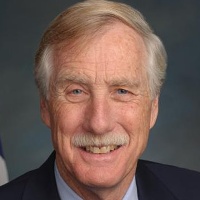
Angus King
Senator
ME
Angus King
Senator
ME
The TAP Promotion Act mandates the inclusion of a standardized, one-hour presentation on veterans' benefits within the Transition Assistance Program (TAP) preseparation counseling. This legislation ensures service members receive expert guidance on navigating VA benefits with the support of recognized veterans service organizations. Additionally, it establishes annual reporting requirements to track participation and ensure the program's ongoing effectiveness.
This resolution celebrates Black History Month by recognizing the history, acknowledging the injustices, and commemorating the profound contributions of African Americans to the United States.
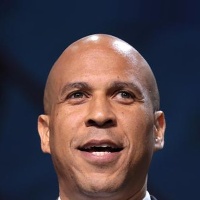
Cory Booker
Senator
NJ
Cory Booker
Senator
NJ
This resolution celebrates Black History Month by recognizing the profound history and enduring contributions of African Americans to the United States. It acknowledges past injustices while honoring the achievements across all fields that have shaped the nation. The resolution encourages continued reflection and unity as we move forward with liberty and justice for all.
This resolution commemorates the fourth anniversary of Russia's invasion of Ukraine, reaffirms U.S. support for Ukrainian sovereignty, and stresses the need for robust, transatlantic security guarantees.
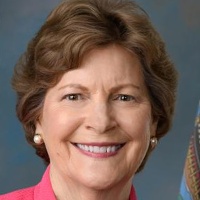
Jeanne Shaheen
Senator
NH
Jeanne Shaheen
Senator
NH
This resolution marks the fourth anniversary of Russia's invasion of Ukraine, reaffirming unwavering U.S. support for Ukraine's sovereignty and territorial integrity. It condemns Russia's ongoing aggression, including attacks on civilians and the forced abduction of children. Furthermore, the resolution emphasizes the critical need for robust, sustained U.S. and transatlantic security guarantees to ensure Ukraine's long-term defense and stability.
The Tariff Refund Act of 2026 mandates that U.S. Customs and Border Protection issue interest-bearing refunds for import duties collected under the International Emergency Economic Powers Act that were deemed unlawful by the Supreme Court.
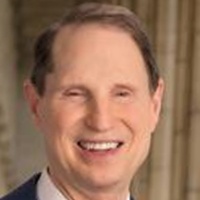
Ron Wyden
Senator
OR
Ron Wyden
Senator
OR
The Tariff Refund Act of 2026 mandates that U.S. Customs and Border Protection issue interest-bearing refunds for import duties collected under the International Emergency Economic Powers Act that were subsequently ruled unlawful. The bill prioritizes small businesses in the refund process and requires that larger entities pass these savings on to their customers. All refunds must be processed within 180 days of enactment, with regular progress reports provided to Congress.
The American Homeownership Act disincentivizes large-scale corporate investment in residential real estate by restricting tax deductions and federal financing for institutional investors, while reinvesting those savings into affordable housing construction and first-generation homebuyer assistance.
Elizabeth Warren
Senator
MA
Elizabeth Warren
Senator
MA
The American Homeownership Act aims to increase housing affordability by restricting tax incentives for large-scale corporate investors and prohibiting federal agencies from financing their real estate acquisitions. The bill redirects savings from these tax changes to fund affordable housing construction and provide down payment assistance to first-generation homebuyers. Additionally, it strengthens antitrust oversight to prevent excessive market concentration in the residential real estate sector.
This bill establishes a pilot program to provide competitive federal grants for local job guarantee initiatives in high-unemployment areas, ensuring all eligible residents are offered a job with specified wages and benefits.
Cory Booker
Senator
NJ
Cory Booker
Senator
NJ
The Federal Jobs Guarantee Development Act of 2026 establishes a pilot program offering competitive grants to local entities in high-unemployment areas to create guaranteed jobs for all eligible adult residents. These guaranteed jobs must meet strict standards for wages, benefits, and working conditions, while also providing supportive services for participants. The bill mandates rigorous reporting and evaluation to assess the program's impact on employment, poverty, and economic indicators.
The Healthy Families Act establishes a national standard requiring most employers to provide employees with earned paid sick time for personal or family health needs, domestic violence, sexual assault, or stalking.
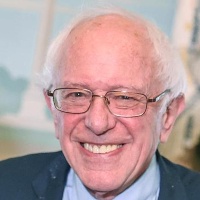
Bernard Sanders
Senator
VT
Bernard Sanders
Senator
VT
The Healthy Families Act establishes a national standard requiring most employers to provide employees with earned paid sick time, accruing at a rate of one hour for every 30 hours worked. This protected leave can be used for the employee's or a family member's illness, medical care, or for reasons related to domestic violence, sexual assault, or stalking. The Act strictly prohibits employers from retaliating against employees for using or requesting this time and mandates clear notice requirements regarding these new rights.
The **BE HEARD in the Workplace Act** comprehensively strengthens federal anti-discrimination laws, mandates new employer policies and training, phases out the tipped minimum wage, and establishes nationwide grant programs to support worker rights and legal assistance.
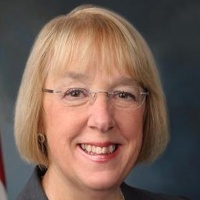
Patty Murray
Senator
WA
Patty Murray
Senator
WA
The **BE HEARD in the Workplace Act** comprehensively strengthens federal workplace protections by requiring new anti-discrimination policies, expanding legal rights for employees, and phasing out the tipped minimum wage. It aims to prevent harassment through mandated training, broadens protections to nearly all workers, and restricts employers' use of secrecy agreements. The Act also establishes grants to increase access to legal aid and worker advocacy nationwide.
This resolution celebrates the 125th Anniversary of the Army Nurse Corps, honoring their historic service, dedication, and sacrifice in caring for U.S. soldiers.

Roger Wicker
Senator
MS
Roger Wicker
Senator
MS
This concurrent resolution celebrates the 125th Anniversary of the Army Nurse Corps, honoring its establishment in 1901 as the entry of the first women into the U.S. military. It recognizes the Corps' distinguished service in every major conflict since its inception and expresses profound gratitude for the unwavering dedication and sacrifice of Army nurses throughout history. The resolution specifically commends their vital contributions to the health and well-being of American soldiers.
This Act prohibits retail food stores from engaging in surveillance-based price setting, imposing limits on price gouging, and mandating non-digital price displays.
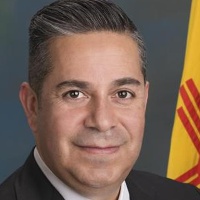
Ben Luján
Senator
NM
Ben Luján
Senator
NM
The Stop Price Gouging in Grocery Stores Act of 2026 prohibits retail food stores from charging grossly excessive prices and bans the use of surveillance technology to set customized prices for individual consumers. The law mandates that all prices must be displayed using clear, non-digital methods like physical labels, and it grants the Federal Trade Commission (FTC) authority to enforce these provisions. Violators face significant civil penalties, and consumers are granted the right to sue for damages.
This bill expands the reporting categories for high-value dividends, rents, interest, capital gains, and other amounts in federal financial disclosure reports.
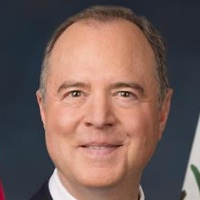
Adam Schiff
Senator
CA
Adam Schiff
Senator
CA
The Financial Disclosure Modernization Act updates federal financial disclosure requirements by establishing new, higher reporting thresholds for various income sources like dividends, rents, interest, and capital gains. This legislation mandates more granular reporting for very large financial amounts. These changes apply to all required financial disclosure reports filed after the Act's enactment.
This resolution condemns the Government of Iran for its violent suppression of peaceful protests and widespread human rights abuses against its citizens.

James Lankford
Senator
OK
James Lankford
Senator
OK
This resolution strongly condemns the Government of Iran for its violent suppression of peaceful protests and widespread human rights abuses against its citizens. It highlights the regime's use of deadly force, internet blackouts, and severe persecution in response to demonstrations sparked by economic hardship. The resolution commends the courage of the Iranian people and calls for free and fair elections.