This resolution designates August 22–30, 2026, as "National Park Week" to celebrate the history, economic impact, and preservation of the National Park System.
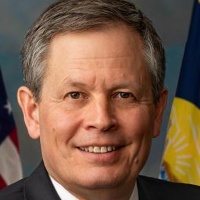
Steve Daines
Senator
MT
This resolution designates August 22 through August 30, 2026, as "National Park Week" to honor the National Park Service’s history and ongoing contributions. It recognizes the vital role these parks play in recreation, education, and the economy while encouraging the public to celebrate and support the preservation of our national treasures.
Congress Designates August 22–30, 2026, as National Park Week to Celebrate $56 Billion Economic Impact
This resolution officially marks the calendar for August 22 through August 30, 2026, as "National Park Week." It is a formal nod to the National Park Service (NPS), which has been managing our natural and cultural resources since 1916. Beyond just picking a date, the resolution highlights the massive scale of our park system, noting that in 2025 alone, recreational visits hit over 323 million. It serves as a high-level reminder that these lands aren't just for scenery; they are major economic engines and historical anchors located in every single state.
The Business of the Great Outdoors
While we often think of national parks in terms of hiking and camping, this resolution puts a spotlight on the hard numbers behind the views. It specifically cites that in 2024, park visits generated a staggering $56.3 billion in economic output. For the small business owner running a gear shop in Montana or the family-owned diner near the Great Smoky Mountains, this designation is a recognition of the tourism pipeline that keeps local economies humming. By formalizing this week in 2026, the resolution aims to keep that momentum going, encouraging people both in the U.S. and abroad to keep visiting and spending in these gateway communities.
More Than Just a Vacation
The text does more than just count receipts; it emphasizes the responsibility of the public to protect these sites for the "second century" of the NPS. By referencing the 1872 establishment of Yellowstone, the resolution connects today’s visitors to a long-term preservation mission. For the average person, this means a continued federal focus on maintaining access to recreation and education across all territories. It’s a straightforward call to action for "responsible" recreation—basically asking us to enjoy the trails without trashering them—ensuring that the cultural and natural resources remain intact for the next generation of travelers and workers.