This resolution reaffirms the United States' commitment to supporting a peaceful democratic transition in Venezuela through the restoration of free, fair, and transparent elections.
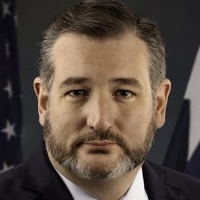
Ted Cruz
Senator
TX
This resolution reaffirms the United States' commitment to supporting a peaceful democratic transition in Venezuela through free, fair, and transparent elections. It calls for the immediate release of all political prisoners and demands that interim authorities cease the persecution of opposition figures. Furthermore, the bill establishes that the U.S. will hold accountable any officials responsible for human rights abuses or actions that undermine the integrity of the electoral process.
Senate Resolution Sets Hard Line on Venezuela: U.S. Demands Free Elections and Political Prisoner Release
This Senate resolution draws a clear line in the sand regarding U.S. foreign policy toward Venezuela. Following years of political turmoil and the recent capture of Nicolás Maduro in early 2026, the resolution formally declares that the current interim government led by Delcy Rodríguez lacks a legitimate democratic mandate. It explicitly reaffirms that the U.S. goal is a peaceful transition to a stable, prosperous democracy through free and fair elections, effectively setting the stage for how the U.S. will engage with its neighbor to the south in the coming years.
Accountability for the Ballot Box
The resolution doesn't just ask for change; it details exactly why the U.S. views the current situation as broken. It cites the 15-year ban on opposition leader María Corina Machado and the blocking of other candidates as evidence of a system rigged against the voters. For anyone wondering how this affects life here, think of it as a quality control check on regional stability. When a major neighbor faces political collapse, it impacts everything from migration patterns to global energy prices. By calling for the immediate release of political prisoners and demanding transparent elections, the Senate is signaling that it won't recognize a government that maintains power through "enforced disappearance" or "arbitrary detention" (Section 2).
Consequences for Political Persecution
One of the most direct parts of this resolution is the warning it issues to Venezuelan officials. It states that any harm coming to individuals seeking public office will be presumed to have the "knowledge, acquiescence, or approval" of the current interim authorities. This is a significant legal posture because it removes the excuse of "rogue actors" and places the blame squarely on the leadership. For the average person, this means the U.S. is preparing to use its toolkit of accountability measures—which can include targeted sanctions or legal actions—against specific individuals who obstruct the democratic process. It’s a move intended to protect the physical safety of candidates like Machado and ensure that the next time Venezuelans go to the polls, the results are actually credible.
The Path Forward
Ultimately, this resolution serves as a roadmap for U.S. diplomatic efforts. It aligns with recent testimony from Secretary of State Marco Rubio, emphasizing a transition that represents "all parts of society." While it doesn't deploy troops or change domestic taxes, it sets the rules of engagement for international trade and diplomacy. By insisting on "tangible progress" toward an electoral transition, the U.S. is making it clear that the current status quo—where an unelected interim president holds power without a vote—is not a long-term option for regional cooperation.