This Senate resolution urges the Canadian government to take greater responsibility for mitigating the cross-border health and safety impacts caused by recent Canadian wildfires.
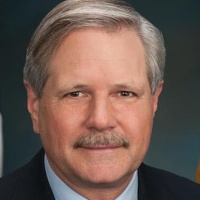
John Hoeven
Senator
ND
This Senate resolution addresses the significant health and safety impacts of Canadian wildfire smoke on U.S. residents. It calls upon the Canadian government to take greater responsibility for mitigating these fires and emphasizes the need for enhanced bilateral cooperation in forest management and wildfire prevention.
Senate Resolution Demands Canada Extinguish Wildfires to Clear American Air Quality
This Senate resolution is essentially a formal 'we need to talk' note sent across the border. It officially recognizes that the smoke from Canadian wildfires isn't just a Canadian problem—it’s a public health issue for Americans. The resolution calls out the harm caused to U.S. residents and puts the responsibility on the Canadian government to step up their game in extinguishing these fires and preventing them from starting in the first place. It specifically suggests that the President sit down with the Canadian Prime Minister to hammer out a plan to stop the smoke from drifting into our backyards.
Clearing the Haze
For anyone who spent last summer checking air quality apps before letting their kids play outside or walking to the office in a mask, this resolution hits home. It acknowledges that the safety and health of U.S. residents are being compromised by environmental factors outside our borders. By emphasizing 'responsible forest management'—which includes things like timber harvesting and hazardous fuel reduction—the Senate is pointing toward a specific playbook they want Canada to follow. For a construction worker in the Midwest or a delivery driver in the Northeast, this could eventually mean fewer 'code red' air quality days and less strain on the lungs during a shift.
Diplomatic Pressure and Practical Hurdles
While this isn't a law that changes your taxes or local regulations today, it sets the stage for how the U.S. handles cross-border environmental issues. The resolution uses strong language, asking Canada to 'take responsibility' for the impacts. In the real world, this is a nudge for better international cooperation on firefighting resources and shared technology. However, the bill is somewhat vague on what 'increasing efforts' actually looks like in practice. It doesn't specify if this means more funding, more boots on the ground, or a change in how Canada manages its vast wilderness, leaving the actual implementation up to future diplomatic negotiations between the President and the Prime Minister.