This resolution celebrates the historic 2026 FIFA World Cup as a symbol of continental unity and welcomes the global community to North America for the first-ever three-nation tournament.
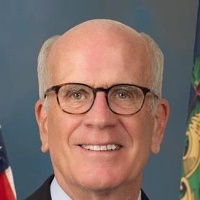
Peter Welch
Senator
VT
This resolution celebrates the historic 2026 FIFA World Cup, the first tournament to be jointly hosted by the United States, Canada, and Mexico. It recognizes the significance of this expanded global event in fostering international unity, cooperation, and peace through the spirit of sports. The bill formally welcomes players and fans to North America while commending the host nations and cities for their collaborative efforts.
North America Preps for 2026 FIFA World Cup: 48 Teams and 104 Matches Set for Three-Nation Kickoff
This resolution is essentially a massive 'welcome' mat rolled out for the 2026 FIFA World Cup. It formally recognizes the tournament as a historic milestone, marking the first time the event will be hosted across three nations—the U.S., Canada, and Mexico—and the first time the field expands to 48 national teams. By acknowledging the 104 matches scheduled across 16 host cities, the resolution frames the upcoming tournament not just as a series of games, but as a major driver of continental unity and international cooperation. For anyone living in one of the 11 U.S. host cities, this is the official signal that the gears are turning for a massive influx of global visitors.
The Super-Sized Tournament
This isn't your older brother's World Cup. The resolution highlights that the 2026 event will be significantly larger than the 1994 U.S. tournament, which famously set attendance records with 3.6 million fans. By expanding to 48 teams, the tournament is adding more matches and more travel logistics than ever before. For small business owners in the 11 U.S. host cities—ranging from Seattle to Miami—this means preparing for a scale of tourism that lasts weeks, not just a weekend. The resolution specifically thanks the 16 host cities for their commitment, recognizing that the local infrastructure will be the backbone of this expanded format.
More Than Just a Game
The text leans heavily into the idea of 'sports diplomacy.' It frames the joint bid between the U.S., Canada, and Mexico as a model for how neighboring countries can work together on a massive project. While it doesn't change any laws or allocate new funding, it sets a formal tone of 'peace and friendship' for the international community. If you're a worker in the hospitality or transportation industry, this resolution is a nod to the 'all hands on deck' environment coming in 2026, as the U.S. looks to use the tournament to showcase continental cooperation to billions of viewers worldwide.