This resolution commemorates the fifth anniversary of the July 11, 2021, pro-democracy protests in Cuba, condemns the regime’s ongoing human rights abuses, and calls for the immediate release of political prisoners.
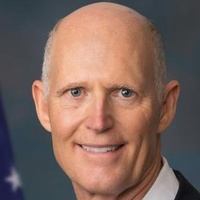
Rick Scott
Senator
FL
This resolution commemorates the fifth anniversary of the July 11, 2021, pro-democracy protests in Cuba by honoring the bravery of those who stood against the regime's totalitarian oppression. It condemns the Cuban government’s ongoing human rights abuses, including the imprisonment and torture of activists, and demands the immediate release of political prisoners. Furthermore, the bill calls on the international community to hold the regime accountable and urges the U.S. to maintain a policy centered on democracy, civil liberties, and robust sanctions.
Senate Resolution Marks 5-Year Anniversary of Cuba Protests with Call for Continued Sanctions and Human Rights Accountability
This resolution puts the U.S. Senate on the record regarding the fifth anniversary of the July 11, 2021, pro-democracy protests in Cuba. It officially recognizes the bravery of thousands of citizens who took to the streets across 40 cities to demand civil liberties and an end to totalitarian rule. Beyond just a commemorative gesture, the text specifically details the crackdown that followed, noting that over 1,400 people—including minors—were detained, and highlights that hundreds remain in prison today facing malnutrition and torture. It’s a formal acknowledgment of the human cost behind the headlines we saw a few years back.
A Hard Line on Policy
While resolutions often feel like symbolic paperwork, this one has specific teeth regarding U.S. foreign policy. It explicitly backs the framework established during the Trump administration, which tightened the screws on the Cuban government. The resolution calls for maintaining the statutory ban on U.S. tourism and keeping the economic embargo in full force. For anyone planning travel or looking at trade, this signal suggests that the legislative branch is leaning toward keeping the island closed for business as long as the current regime is in power. It specifically targets industries run by the Cuban military, aiming to ensure that U.S. dollars don't end up in the pockets of regime elites.
Accountability and the Global Stage
The resolution doesn't just look backward; it sets a standard for how the U.S. should interact with the international community regarding Cuba. It calls for coordinated sanctions and diplomatic pressure to hold the regime accountable for "sham trials" that handed out 25-year sentences for charges like "public disorder." By documenting these specific human rights violations—like the nationwide internet blackouts used to hide police brutality—the resolution provides a roadmap for future diplomatic engagement. It emphasizes that for the U.S., the baseline for any policy change must be the immediate and unconditional release of political prisoners and the restoration of fundamental rights like free speech and assembly.