This resolution commemorates the 150th anniversary of the Battle of the Little Bighorn and honors all those who died in the 1876 conflict.
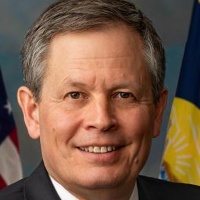
Steve Daines
Senator
MT
This resolution commemorates the 150th anniversary of the Battle of the Little Bighorn, a pivotal event in American history that occurred in 1876. It honors the memory of all soldiers, scouts, civilians, and warriors who lost their lives in the conflict. Furthermore, the resolution encourages citizens nationwide to visit the Little Bighorn Battlefield National Monument to mark this significant sesquicentennial.
Senate Marks 150th Anniversary of Battle of the Little Bighorn: National Monument Commemoration Set for 2026
This resolution officially recognizes the sesquicentennial—the 150th anniversary—of the Battle of the Little Bighorn, also known as the Battle of Greasy Grass. Beyond just marking a date on the calendar, the resolution provides a detailed historical record of the June 1876 conflict, acknowledging the roles of the 7th Cavalry, Tribal leaders like Sitting Bull and Crazy Horse, and the Apsaalooke and Arikara scouts. It formally honors the roughly 268 soldiers and 60 to 100 Sioux and Cheyenne warriors who died on that field in Montana, framing the event as a pivotal moment in the Great Sioux War that still resonates in American history today.
More Than a History Lesson
By documenting the timeline from the 1868 Treaty of Fort Laramie to the discovery of gold in the Black Hills, the resolution connects the dots between broken treaties and the eventual clash on the Little Bighorn River. For anyone planning a road trip or interested in national heritage, the resolution puts a spotlight on the Little Bighorn Battlefield National Monument. It highlights the site's evolution from the 1881 War Department memorial to its 1991 renaming under Public Law 102-201, which shifted the focus to a more inclusive historical perspective. With over 200,000 annual visitors already, this federal recognition is a nudge for more Americans to engage with the site’s complex legacy.
Honoring the Fallen and the Land
The resolution specifically encourages the public to visit the monument and the Custer National Cemetery, where 5,000 service members and veterans are laid to rest. For the Tribal Nations involved and the families of the fallen, this is a formal gesture of remembrance that balances the accounts of both the U.S. military and the Indigenous warriors. While it doesn't allocate new funding or change land-use laws, it serves as a high-level directive to keep this history visible. It’s a reminder that these landscapes aren't just scenic stops—they are active sites of memory that require ongoing public engagement to understand the full scope of the American story.