This resolution expresses support for designating June 11, 2026, as "Anti-Illicit Trade Awareness Day" to combat the multi-trillion-dollar global threat of illegal trade.
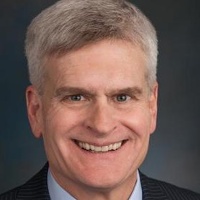
Bill Cassidy
Senator
LA
This resolution expresses support for designating June 11, 2026, as "Anti-Illicit Trade Awareness Day." It highlights the severe, multi-trillion-dollar global threat posed by illicit trade, which fuels crime, undermines national security, and harms legitimate businesses. The bill calls for increased public awareness, government action, and whole-of-society approaches to combat these illegal activities year-round.
Proposed Resolution Designates June 11, 2026, as Anti-Illicit Trade Awareness Day to Combat $5 Trillion Global Shadow Economy
This resolution aims to shine a spotlight on the massive, often invisible world of illicit trade by officially recognizing June 11, 2026, as 'Anti-Illicit Trade Awareness Day.' Far from just a symbolic gesture, the bill lays out a stark reality: the global illegal economy is now worth between $3 trillion and $5 trillion. It defines illicit trade as a broad spectrum of criminal activity, ranging from the trafficking of fentanyl and counterfeit goods to more technical 'white-collar' violations like customs fraud, tariff evasion, and misclassified shipping labels. By formalizing this day, the resolution seeks to align federal resources and public attention toward dismantling the networks that drain the U.S. economy and threaten national security.
The High Price of the Shadow Market
When we talk about illicit trade, it’s easy to think of it as someone else’s problem, but the bill highlights how it hits the average person’s life and wallet. For a small business owner selling genuine products, counterfeit goods—which make up 2.3% of all global imports—create unfair competition that can drive them out of business. For the average taxpayer, the resolution points to massive revenue leaks, citing a single 2025 investigation that found $400 million in unpaid duties. The bill also connects these dots to public safety, noting that the same networks moving fake designer bags are often the ones moving 11.6% of the world’s cigarettes or facilitating human trafficking, which saw a 25% increase in victims in 2023. This isn't just about 'fakes'; it’s about the multi-billion-dollar infrastructure that supports global crime.
Turning the Tide on Trade Fraud
To move beyond just 'awareness,' the resolution supports a 'whole-of-government' shift in how we handle trade. It proposes treating illicit finance and trade-based money laundering as top-tier national security priorities, rather than just regulatory nuisances. This would mean creating 'intelligence fusion centers' where different agencies share financial data to spot red flags in shipping and banking. For someone working in logistics or international trade, this could eventually lead to more transparent digital tracking and stricter enforcement at ports. The goal is to make it much harder for 'malign state actors' to use infrastructure projects or free trade zones as backdoors to flood the U.S. market with dangerous or illegal products.
Awareness as a Tool for Accountability
While the resolution itself doesn't immediately change your taxes or daily routine, it sets the stage for how the government plans to spend its resources. It calls for the expansion of public-private partnerships, essentially asking businesses to work closer with the feds to report suspicious activity. The challenge lies in the rollout: as the government looks to 'arm itself with new tools and legal authorities,' the focus will be on ensuring these measures catch the real criminals—like those running massive transshipment schemes—without burying legitimate, law-abiding importers in new layers of red tape. By designating a specific day for awareness, the bill intends to keep the pressure on the Trade Fraud Task Force to show real results in recovering lost revenue and securing supply chains.