This resolution recognizes the foundational contributions of Black Americans to U.S. music and designates June 2026 as Black Music Month while stressing the need for equitable music education access for Black students.
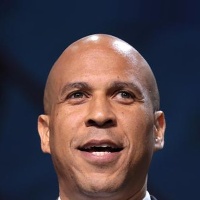
Cory Booker
Senator
NJ
This resolution recognizes the foundational contributions of Black Americans to the musical heritage of the United States across numerous genres. It also highlights significant disparities in music education access for Black students. Finally, the resolution designates June 2026 as "Black Music Month."
New Resolution Designates June 2026 as Black Music Month: A Push for Equal Access to Arts Education
This resolution formally recognizes the massive, foundational impact Black Americans have had on the DNA of global culture—shaping everything from the early spirituals to jazz, rock and roll, and hip-hop. Beyond just a historical shout-out, the bill sets its sights on June 2026, designating it as 'Black Music Month' to celebrate both the legends we know and the underrecognized artists who paved the way. It’s a move that aims to bridge the gap between acknowledging the music we all listen to and supporting the kids who might create the next big sound.
The Classroom Gap
The bill doesn't just list names like Prince or Aretha Franklin; it digs into some sobering stats about our schools. Right now, nearly half of students in predominantly Black schools aren't participating in music programs. The resolution points out a sharp divide: while nearly two-thirds of students in music ensembles are White and middle class, only 15% are Black. For a busy parent or a local teacher, these numbers highlight a real-world barrier where talent exists but the resources—like instruments, classes, and instructors—might not. By citing these disparities, the resolution sets the stage for a conversation about why only 7% of music teacher candidates are Black and how that affects the next generation of students.
More Than a Calendar Date
Designating June 2026 as Black Music Month is intended to be a catalyst for change in urban and low-income school districts. The text specifically highlights that students eligible for the National School Lunch Program often face the biggest hurdles in accessing quality arts education. For the office worker who grew up in a music program or the trade worker who wants their kids to have creative outlets, this bill is about making sure the 'musical heritage' mentioned isn't just a thing of the past. It’s a formal acknowledgment that the future of American music depends on whether we can get instruments into the hands of kids who are currently being left out of the band room.